Microsoft's Cheapest New Surface Laptop Can't Handle Google Docs Without Freezing
A RAM downgrade in the 2026 model, combined with Windows 11's hefty memory footprint, is turning basic multitasking into a stress test.
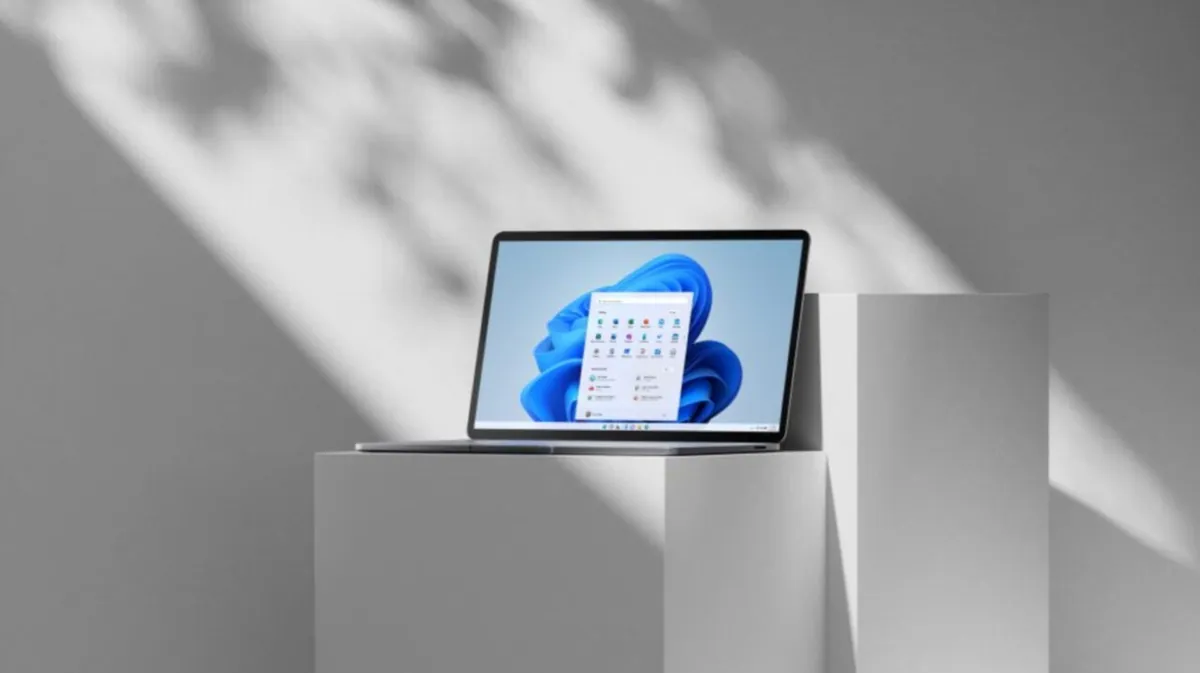
Microsoft's latest budget Surface Laptop has a problem that shows up before you've even opened a real app: the operating system itself is eating most of the memory.
That's according to a hands-on report from The Verge's Antonio G. Di Benedetto, who tested the cheapest retail configuration of the revised 13-inch Surface Laptop and found it struggling with tasks that shouldn't tax any modern laptop. Streaming a brief video during a Microsoft Teams call caused the whole machine to hang for several seconds. Typing in Google Docs with nothing else running triggered the same kind of freeze. None of this involved heavy workloads, according to the review — just a Teams call, about ten Chrome tabs split across two desktops, and Slack and Signal running in the background, with webcams off.
The likely explanation is almost comically simple. Di Benedetto checked Task Manager after a fresh reboot with only the bare minimum of startup apps running, and found the laptop was already using 4.2GB of RAM. That's roughly the amount Windows 11 itself needs just to run. The problem is that this particular Surface Laptop only ships with 8GB total.
A quiet downgrade
Here's the part that makes this notable rather than just a one-off bad review: this isn't a new, cut-rate product. It's a revision of a laptop The Verge reviewed favorably just last year. The 2025 version of the cheapest 13-inch Surface Laptop retailed for $900 and came standard with 16GB of RAM. The 2026 revision, now priced at $950, cuts that to 8GB as the base configuration. Want the 16GB you used to get by default? That's an extra $200 on top.
So the entry-level price nudged up by $50, while the amount of memory that ships with it got cut in half — unless you pay considerably more to restore what used to be standard. Di Benedetto had praised the 2025 model in his earlier review; the follow-up on the 8GB version is a much rougher account of a machine that stutters through everyday use, according to the report.
Why RAM got squeezed
Windows 11's memory appetite is only part of the story. The other half is the price and availability of RAM itself, which has been driven up in part by the massive buildout of AI data centers across the industry — infrastructure Microsoft itself is pouring money into. Microsoft has committed hundreds of billions of dollars to AI data center construction, on top of separate, equally massive investments in OpenAI and its own Copilot products.
That combination puts Microsoft in an awkward position: the company's own AI infrastructure spending is a contributing factor in the memory shortage, while its hardware division responds by shipping less memory in a laptop that costs more than it did before.
The bigger picture
The timing doesn't help the optics. Microsoft's AI investments have coincided with cost-cutting elsewhere in the company, including layoffs affecting thousands of Xbox employees and cuts to several game studios earlier this month. Meanwhile, the Surface Laptop buyer looking for an affordable entry point into Microsoft's hardware lineup is now the one absorbing the squeeze, paying more for a machine that reportedly can't reliably run Google Docs without stalling.
For now, the takeaway for shoppers is straightforward: on this particular Surface Laptop, the 8GB configuration appears to be a false economy. The RAM Windows 11 needs just to idle leaves almost nothing for the tabs, calls, and documents people actually buy laptops to run. Anyone eyeing the base model should factor in that $200 upgrade as close to mandatory, not optional — which erases most of the appeal of a "budget" configuration in the first place.