SpaceX Will Try to Catch Both Starship Stages Next Flight as Musk Pivots Company Toward AI Data Centers
Elon Musk says the November test flight could land Super Heavy and Starship together for the first time, even as SpaceX's earnings call made clear the rocket now exists mainly to serve an AI compute business.
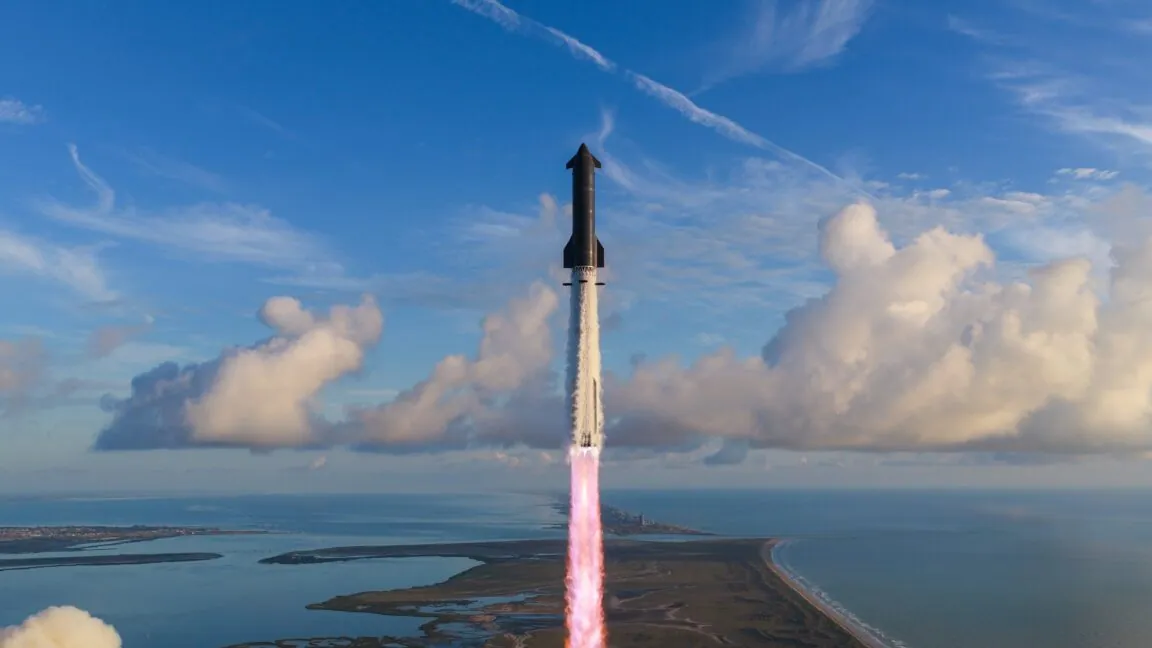
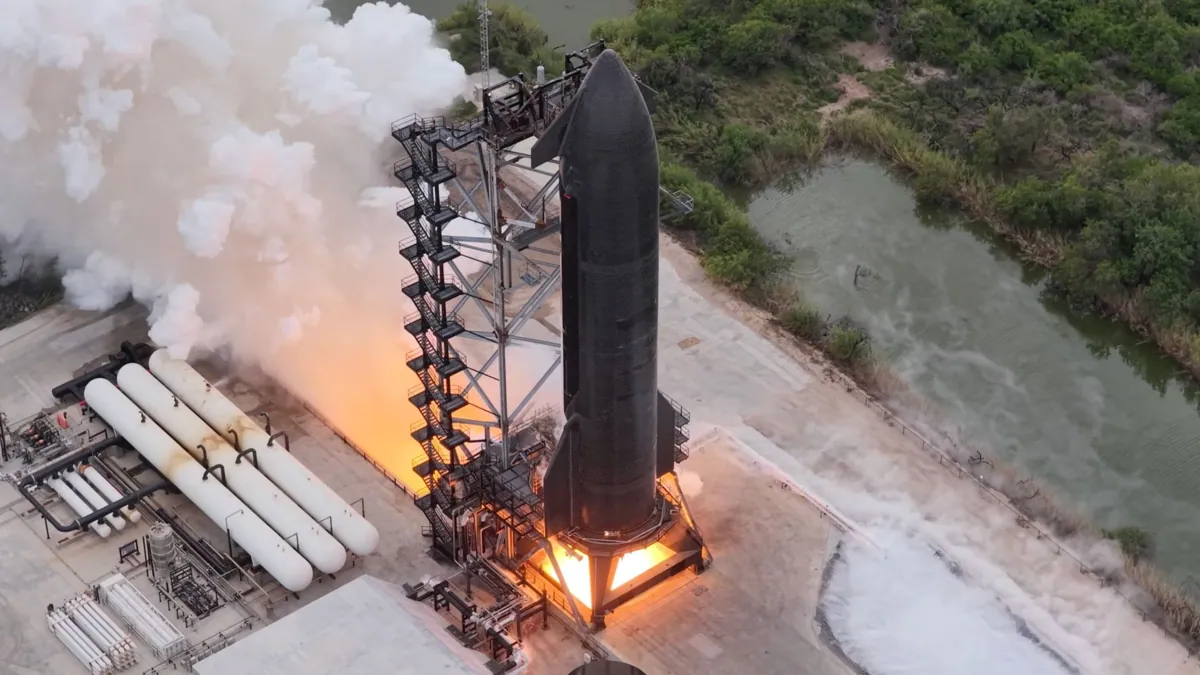
SpaceX plans to try catching both halves of its Starship rocket on the vehicle's next test flight, according to comments from Elon Musk and company president Gwynne Shotwell during a Tuesday afternoon earnings call reported by Ars Technica. It would be the first time SpaceX has attempted to recover the Super Heavy booster and the Starship upper stage on the same mission, and it's targeted for November.
The ambition is notable, but so is the context surrounding it. Much of the earnings call wasn't about Mars or deep space at all. It was about artificial intelligence.
A rocket company talking about compute
SpaceX officials spent a large chunk of the call laying out plans to deploy up to 10 gigawatts of computing capacity in 2027, on the ground, to support AI workloads. That's a striking shift in emphasis for a company whose founder spent years framing Starship as the vehicle that would ferry humans to Mars and help establish a permanent settlement there. Per Ars Technica's reporting, that rhetoric has largely faded. The company's current center of gravity is AI and the data infrastructure needed to feed it.
Starship still matters to that picture, just not in the way Musk used to describe it. SpaceX's longer-term plan is to extend data services into orbit, starting with the existing Starlink satellite internet constellation and eventually moving toward what the company calls "Starmind," a space-based data center constellation. Getting there depends on actually flying Starship reliably and often, which is why the rocket's test program is still front and center even as the company's public messaging has moved on from red-planet dreams.
What happened on Flight 14, and what comes next
The push toward a dual catch comes a little over three weeks after Starship's 14th test flight, which Musk said went well overall despite some problems with the vehicle's Raptor engines. SpaceX has apparently pulled enough data from that flight to justify attempting the far more ambitious maneuver next time out: catching both the Super Heavy booster and the Starship upper stage.
Musk said he thinks success is "more likely than not," while acknowledging the company has plenty of hardware on hand to absorb a failure and keep iterating. Both catches would take place at Starbase, SpaceX's launch site in South Texas, where the company has previously caught boosters using the launch tower's mechanical arms.
Catching the upper stage adds a new layer of difficulty, and a political one. For the catch to work, Starship has to return to the launch site by flying back over land, including part of northern Mexico, rather than splashing down in the ocean. That requires regulatory sign-off that goes beyond the usual launch license.
Shotwell addressed that directly on the call, saying SpaceX has had "significant constructive engagement with the FAA" and expects the license for Flight 15 to authorize a return-to-launch-site landing and a tower catch for both stages.
Why the cadence matters
The dual-catch attempt is part of a broader push to fly Starship far more often. SpaceX's stated goal, per the earnings call, is to build toward a weekly launch cadence for Starship by early 2027. That's an enormous jump from where the program stands today, where each flight has been treated as a discrete test with its own learning objectives. Recovering both stages reliably is the prerequisite for that kind of tempo, since a rocket that can't be reused quickly can't realistically fly every week.
It also underscores how tightly Starship's fate is now bound to SpaceX's AI ambitions rather than its original deep-space mission. A constellation of orbital data centers, if it ever comes together, would need exactly the kind of frequent, dependable launch capability SpaceX is now racing to prove out. The November flight, win or lose, will be the next real data point on whether that timeline is realistic.