SpaceX Reschedules Starship Flight 13 for July 23 After Engine Abort
A last-second shutdown last week forced SpaceX to swap out two Raptor engines before its next attempt to launch the upgraded megarocket.
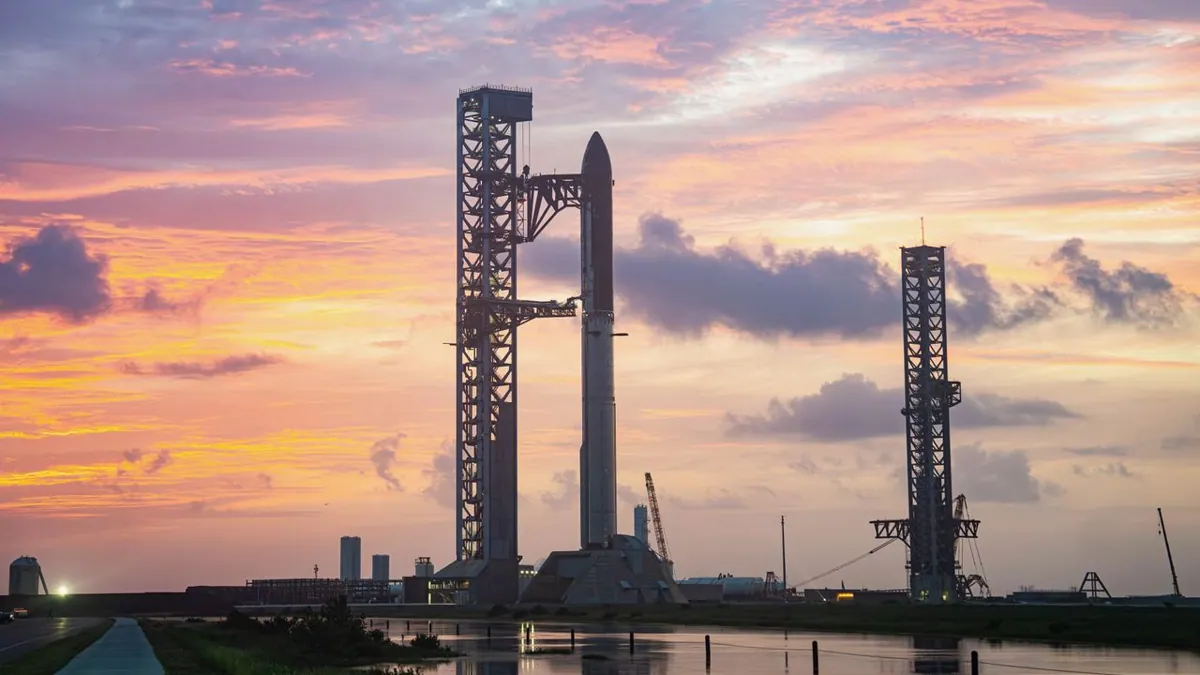
SpaceX is trying again. After an aborted launch attempt last week, the company now says Starship's next test flight, Flight 13, will lift off Thursday, July 23, from Starbase in South Texas. The launch window opens at 6:45 p.m. EDT and runs for 90 minutes.
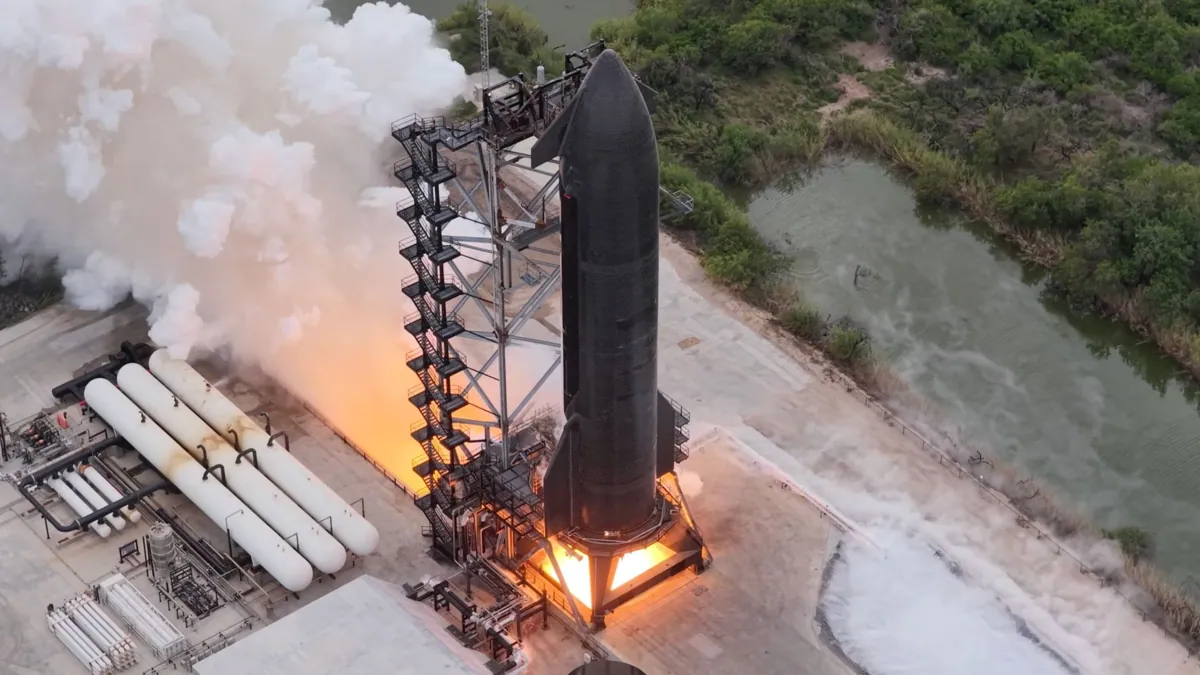
This is a rocket that's had a rough go of getting off the ground lately, quite literally. The first attempt at Flight 13 came on July 16 and ended before it began — the abort hit just as the vehicle's 33 first-stage Raptor engines were igniting. Elon Musk explained the delay on X shortly after, saying two of the Raptors would need to be pulled and replaced before SpaceX would trust the vehicle to fly. He initially pointed to "early next week" as the likely new target.
SpaceX first eyed Sunday, July 20, for the retry, then pushed that back again to Thursday. Two slips in four days isn't unusual for a program that's still working out the kinks on brand-new hardware, but it underscores how methodical SpaceX is being with this particular version of the rocket.
Why this flight matters more than most
Flight 13 is only the second launch of Starship Version 3, the newest and most capable iteration of the vehicle. V3 isn't just an upgrade for its own sake — it's the variant SpaceX has committed to using for NASA's Artemis program, where it's slated to land astronauts on the moon, and it's the version the company is counting on for its first Mars missions down the road. Every test of V3 carries extra weight because of what's riding on it long-term.
Standing 408 feet tall, Starship remains the largest, most powerful rocket ever built, and it's designed to be fully reusable — both the Super Heavy booster and the Ship upper stage are meant to return to Earth intact rather than burn up or get discarded. That reusability is the entire point of the program: it's what makes SpaceX's math work for flying to the moon and Mars at any reasonable cost or cadence.
The flight plan for Flight 13 mirrors what SpaceX attempted on Flight 12, which flew back in May. Super Heavy will attempt a controlled return and splashdown in the Gulf of Mexico, while Ship will fly on a suborbital arc roughly halfway around the planet before coming down off the coast of Western Australia. SpaceX pulled off the Ship half of that equation on Flight 12. The booster didn't fare as well — Super Heavy ran into engine trouble on its way back and hit the water hard instead of touching down under control. Fixing that is presumably high on the priority list for Flight 13.
New cargo, new stakes
What sets Flight 13 apart from its predecessor is what's riding inside Ship: 20 of SpaceX's next-generation Starlink V3 satellites, flying for the very first time. These aren't small upgrades to the existing Starlink fleet — SpaceX has laid out plans to eventually build a constellation of 100,000 Starlink V3 satellites in low Earth orbit, and Starship is the vehicle meant to carry them up in bulk. Getting the deployment mechanism right on this flight is a meaningful step toward that much larger buildout.
Because Ship is flying suborbital rather than reaching a stable orbit, these 20 satellites won't stay in space for long. According to SpaceX's own mission description, they'll reenter and come back down roughly 20 minutes after being released. That's expected and by design — the goal here isn't to actually put working satellites into service, it's to prove that Starship can release Starlink V3 hardware cleanly during flight.
Starship has been flying test missions since its debut in April 2023, and every single one so far has been suborbital. SpaceX has treated the program as an iterative, break-things-and-fix-them process from the start, favoring rapid test flights over years of ground testing. Flight 13's abort and subsequent delays fit that same pattern: something looked wrong in the final seconds before launch, the company pulled the hardware, fixed it, and is trying again rather than pushing ahead on a compressed schedule.
Assuming Thursday's window holds, the flight will offer the clearest look yet at whether V3's fixes to the booster recovery problem actually worked, and whether the rocket that's supposed to carry humans to the moon and, eventually, Mars is ready to start proving it can also carry the satellites that will fund the rest of the program.