SpaceX Scrubs Second Starship V3 Launch Seconds After Engine Ignition
An automatic abort triggered by misfiring engines marks another setback for Starship's upgraded design, just weeks after the rocket's first flight and a month after SpaceX's record-breaking IPO.
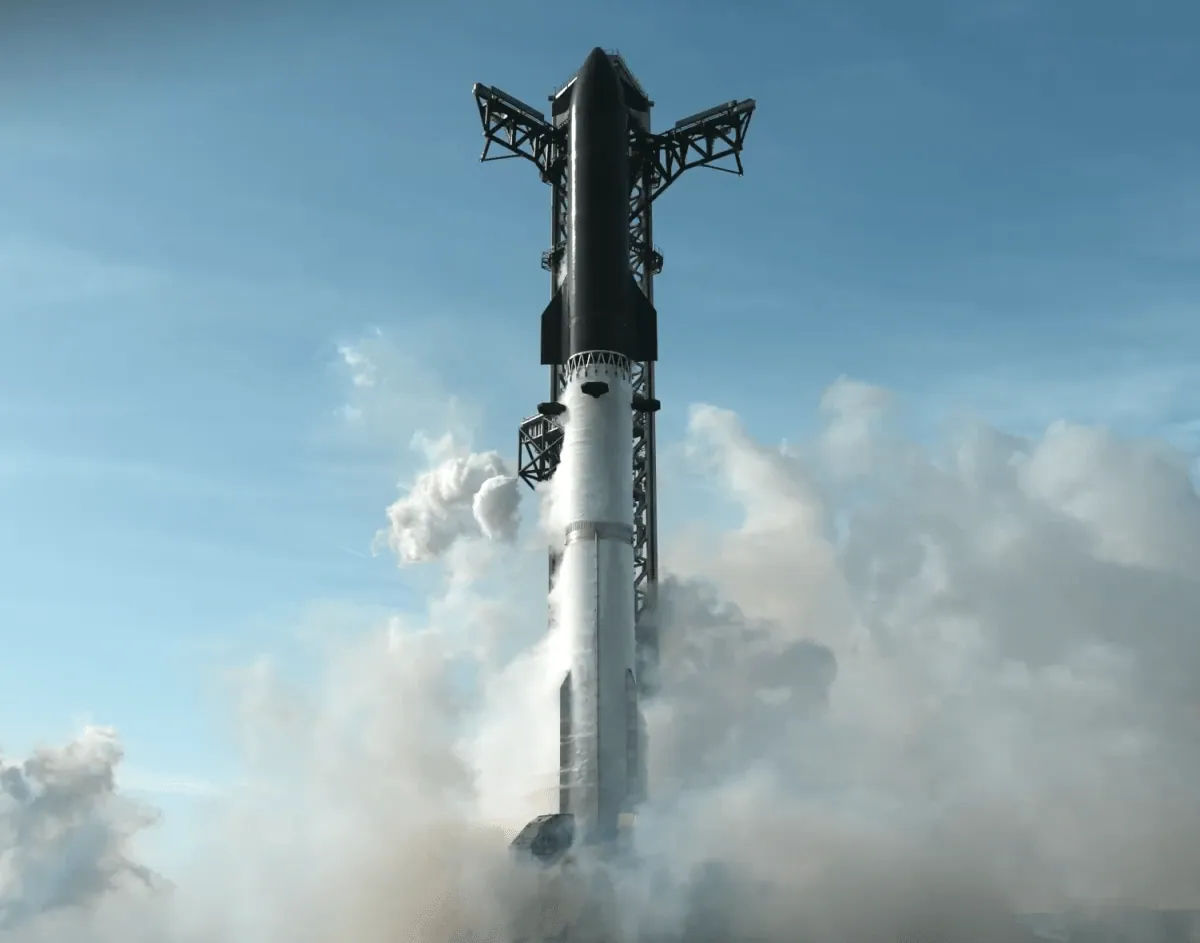
SpaceX called off its second launch attempt of the upgraded Starship rocket on Thursday, only moments after the booster's engines fired up at the company's Starbase site in South Texas. The abort happened fast enough that it interrupted what was supposed to be a return to flight less than two months after Starship V3's debut in May.
CEO Elon Musk explained the failure in a post on X, saying "[s]ome of the engines didn't start, triggering an automatic launch abort." He added that SpaceX would attempt another launch "hopefully in a few days," though no firm date has been set.
The abort is notable timing-wise: it's the first Starship test since SpaceX completed its initial public offering on June 12, an event that raised more than $85 billion and, for a brief stretch, pushed the company's valuation into the same territory as Amazon and Microsoft. That momentum hasn't held. By Thursday, SpaceX shares had closed below their $135 IPO price, and the aborted launch pushed the stock down more than 4% in after-hours trading before it clawed back some of that loss.
A rocket under pressure to perform
Starship V3 represents the latest iteration of SpaceX's massive, fully reusable rocket system, the vehicle central to Musk's ambitions for Mars missions and NASA's own lunar plans. Getting it flying reliably matters both technically and financially. SpaceX now has public shareholders watching every test, and a program that was already operating on aggressive timelines is under even more scrutiny than before.
The automatic abort itself is a sign that Starship's safety systems worked as intended, catching an engine problem before liftoff rather than during flight. But it's also a reminder that V3, despite being an upgrade over previous Starship versions, is still working through the kinks that come with any new rocket configuration. The May flight was the design's first outing; Thursday's scrub shows SpaceX hasn't yet nailed down a clean, repeatable launch process for it.
Musk's brief statement didn't specify which engines failed to start or why, and SpaceX hasn't released further technical detail. The company will likely need to complete a review of the abort before attempting another countdown.
Why the stock reaction matters
The market's response, however modest, underscores a new reality for SpaceX. As a private company for over two decades, SpaceX could absorb test failures and delays largely out of public view, with only occasional glimpses into investor sentiment. That changed with the June IPO. Now, a scrubbed launch shows up instantly in the share price, turning each Starship test into both an engineering milestone and a financial one.
The stock's slide below its offering price over the past month suggests investors are already recalibrating expectations that were sky-high at the time of the IPO, when SpaceX's valuation briefly rivaled some of the most valuable companies in the world. A high-profile launch abort, even one where the safety systems functioned correctly, adds to that pressure.
This story is developing, and SpaceX has not announced a new target launch date. For now, the company faces the same task it did after the V3 debut in May: diagnose what went wrong, fix it, and try again, this time with public markets watching the countdown clock as closely as the engineers are.