NASA Reworks Its Moon Lander Plans, Clearing a Years-Old Orion Docking Snag
A Friday briefing laid out how SpaceX's Starship and Blue Origin's Blue Moon will now meet NASA's Orion capsule, with crewed landings still targeted for 2028.
NASA spent a good chunk of Friday walking reporters through exactly how it intends to get astronauts back on the lunar surface, and for the first time, the agency spelled out some real changes to its Artemis Program architecture rather than just reaffirming old plans.
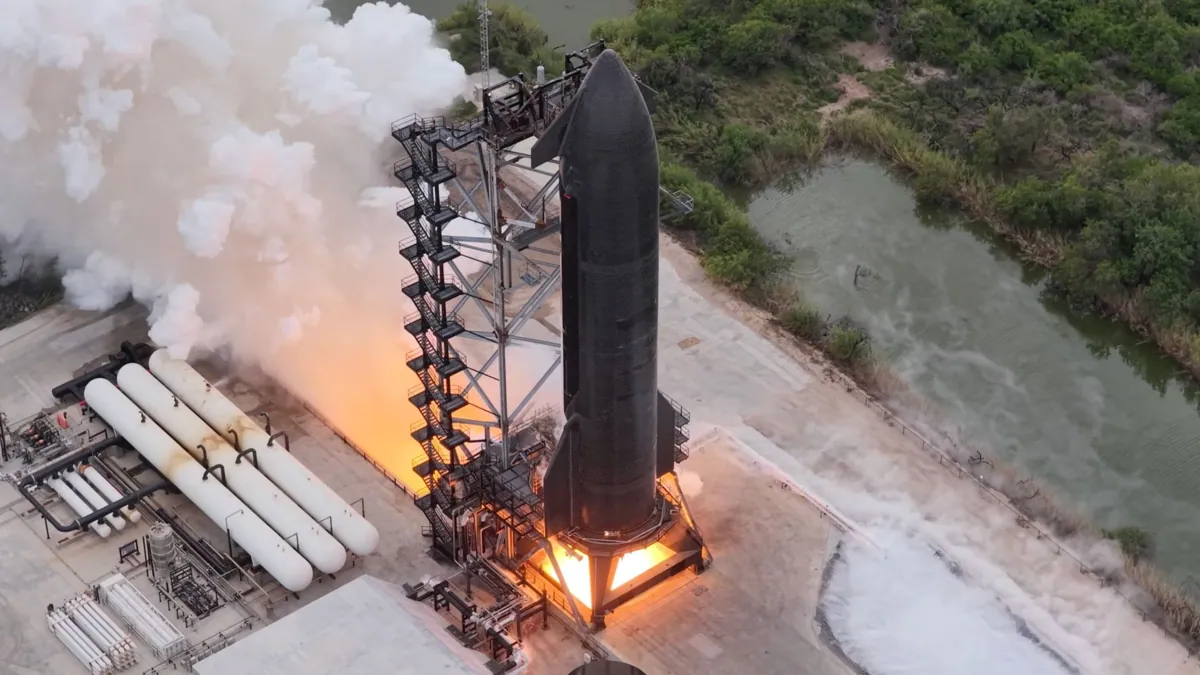
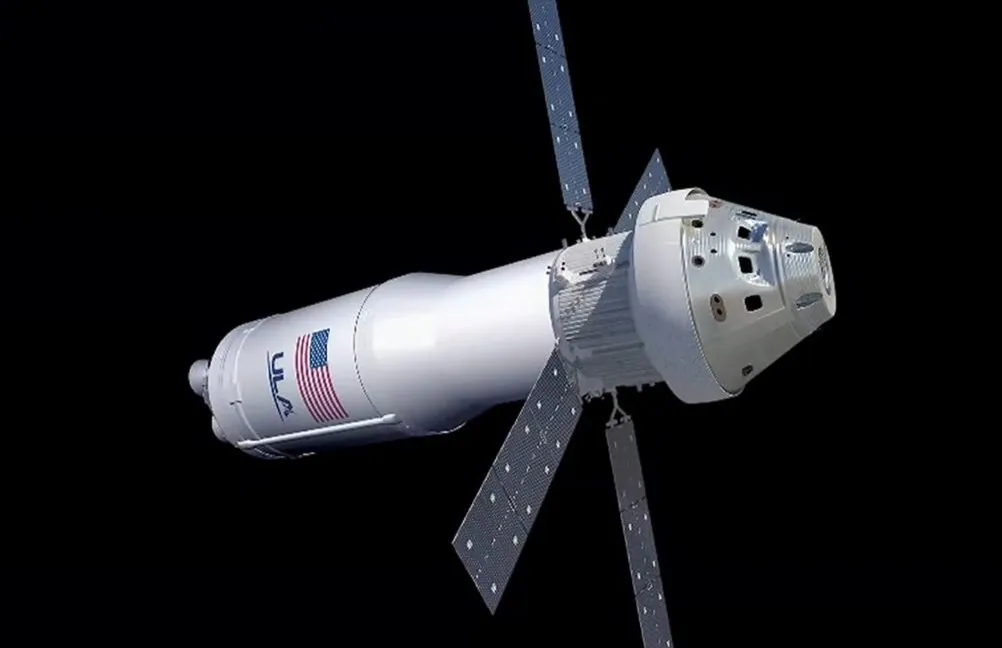
The headline change involves SpaceX. Under the revised approach, the Orion spacecraft will now dock with SpaceX's Starship lunar lander in high-Earth orbit before the pair heads to the Moon together, according to NASA's briefing. That's a meaningful shift from earlier plans, which called for Orion to meet Starship much closer to the Moon itself.
The fix traces back to a request SpaceX engineers made during meetings with NASA earlier this year. Their biggest ask: drop the requirement to dock with Orion in a near-rectilinear halo orbit, or NRHO, a specific type of elongated orbit around the Moon that NASA had planned to use partly because it was where the now-scrapped Lunar Gateway space station was supposed to sit. Docking there demanded more propellant and introduced engineering headaches SpaceX wanted to avoid. When NASA canceled the Gateway program earlier this year, it also cleared the main reason for that lunar-orbit rendezvous requirement, opening the door to the simpler high-Earth-orbit docking NASA announced Friday.
Blue Origin's different path
Blue Origin's mission profile looks different, and in some ways simpler on paper. NASA's plan calls for four launches of Blue Origin's New Glenn rocket to support the mission, but notably, it doesn't require any spacecraft-to-spacecraft refueling in orbit, a step that has been one of the more technically demanding parts of SpaceX's Starship plans. NASA also left room for Blue Origin's Blue Moon lander to rendezvous with Orion in low-lunar orbit, a different meeting point than the high-Earth-orbit setup chosen for Starship.
That gives NASA two genuinely distinct architectures running in parallel, each shaped around what each company's hardware can actually do rather than forcing both into identical mission profiles.
The schedule hasn't moved, at least officially
Despite the architecture changes, NASA officials said Friday that they're still aiming for the same dates. Artemis III, a demonstration mission that will involve docking with both Blue Moon and Starship near Earth, remains targeted for summer 2027. Artemis IV, which would include an actual astronaut landing on the lunar surface, is still on track for 2028.
NASA Administrator Jared Isaacman framed the revised plan as realistic rather than aspirational. "This is an achievable path we are on right now," he said. "We have the mandate, we have the resources, and the support from our stakeholders to be able to execute, and that's what we intend to do."
It's a notable show of confidence given how long these architecture questions have lingered. The NRHO docking requirement in particular had been a persistent sticking point for SpaceX's plans, one that observers had flagged as a problem for a while without a clear resolution. Canceling the Gateway, whatever else that decision meant for NASA's broader lunar ambitions, appears to have untangled that specific knot.
Whether Isaacman's timeline actually holds is a separate question. Both Starship and Blue Moon remain unflown in their lunar lander configurations, and the kind of orbital dockings now baked into both mission plans are nontrivial engineering feats in their own right. NASA has reworked the sequencing to reduce technical risk for both companies, but 2027 and 2028 are still close on the calendar for hardware that hasn't demonstrated these maneuvers yet.
For now, the agency has at least answered a question that had hung over the program for months: how, exactly, Orion is supposed to meet up with either lander. With that settled, the pressure shifts to SpaceX and Blue Origin to show their landers can fly the missions NASA just mapped out for them.