NASA Asks Private Space Companies to Help Keep Hubble Alive
With the telescope's orbit decaying toward an uncontrolled reentry in the early-to-mid 2030s, the agency wants to know if commercial space can boost it back up.
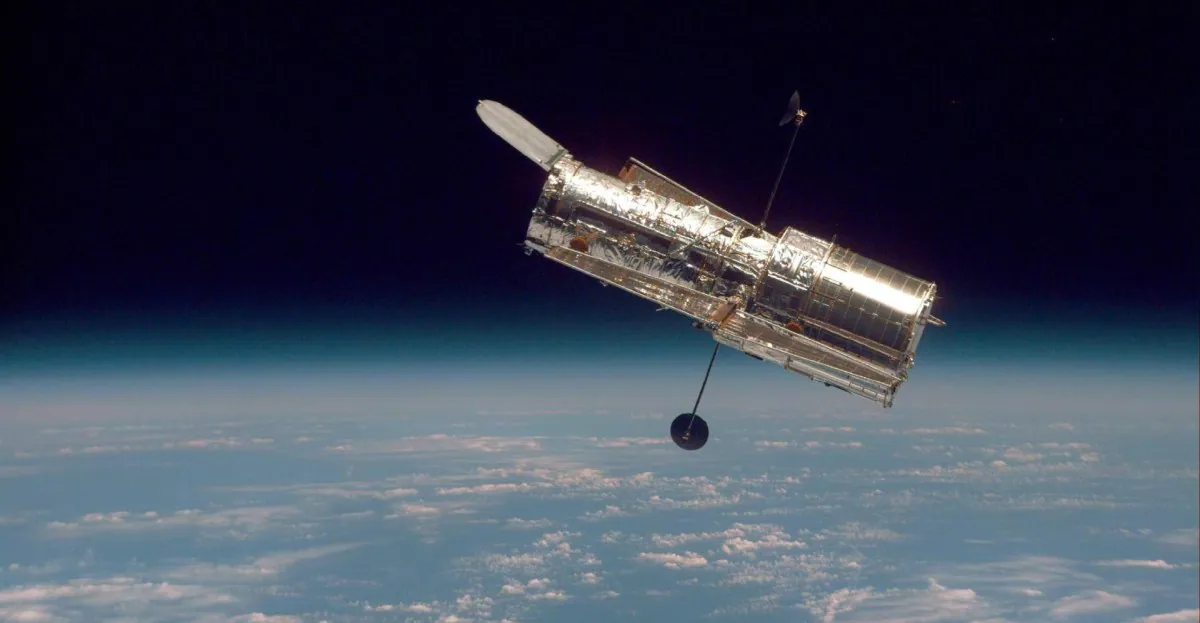
Hubble has been drifting a little closer to Earth every year, a slow consequence of atmospheric drag on an orbit that's been losing altitude for decades. Left alone, that drift ends with the telescope burning up in the atmosphere sometime in the early-to-mid 2030s. NASA isn't ready to let that happen without a fight, and the agency is now asking the commercial space industry whether anyone can fix it.
The agency has opened a Request for Information, essentially a formal call for ideas, to gauge whether private companies have a workable, affordable way to boost Hubble's orbit and buy it more time. It's not a contract or a commitment to act, just a solicitation to see what's out there. NASA will keep the request open through November 30th at 3 PM ET, according to a post on the agency's site.
The push comes from the top. NASA Administrator Jared Isaacman framed the effort as a matter of not wasting a working scientific instrument that's still earning its keep. "Hubble still has important science ahead of it, and we should be looking at every reasonable opportunity to keep it delivering for as long as possible," he said in the post. He added that if there are "innovative and cost-effective ways to extend the life of an asset already on orbit, we owe it to the American taxpayer and the scientific community to explore them," saying more time for Hubble means more discoveries and a better shot at understanding the universe.
Hubble isn't in any immediate danger. Nothing about its orbit suggests a crisis this year or next. But orbital decay is a one-way street without intervention, and the telescope's altitude will eventually drop low enough that atmospheric drag wins outright, pulling it down for good. A boost, essentially nudging the telescope back into a higher, safer orbit, would reset that clock.
What's notable here isn't the problem, which astronomers have known about for years, but who NASA is turning to for a solution. Rather than designing and funding a government-led rescue mission itself, the agency is opening the question to commercial players, the same model it's leaned on for cargo runs, crew flights, and increasingly ambitious missions over the past two decades. The RFI doesn't name specific companies or lay out what a mission might cost, and NASA hasn't committed to actually doing anything beyond collecting responses.
For now, this is an open question, not a rescue plan. Whether a boost mission actually happens depends on what proposals come back, whether any of them are affordable, and whether NASA decides the math works out in Hubble's favor. The November 30th deadline is the next real marker to watch. After that, the agency will have a clearer sense of whether saving one of its most productive telescopes is something the private sector is actually willing and able to do.