NASA Sets Friday Briefing to Detail Artemis Moon Timeline, Including 2028 Crewed Landing
Administrator Jared Isaacman and two senior Artemis officials will lay out progress toward Artemis III and the first crewed lunar landing since 1972.
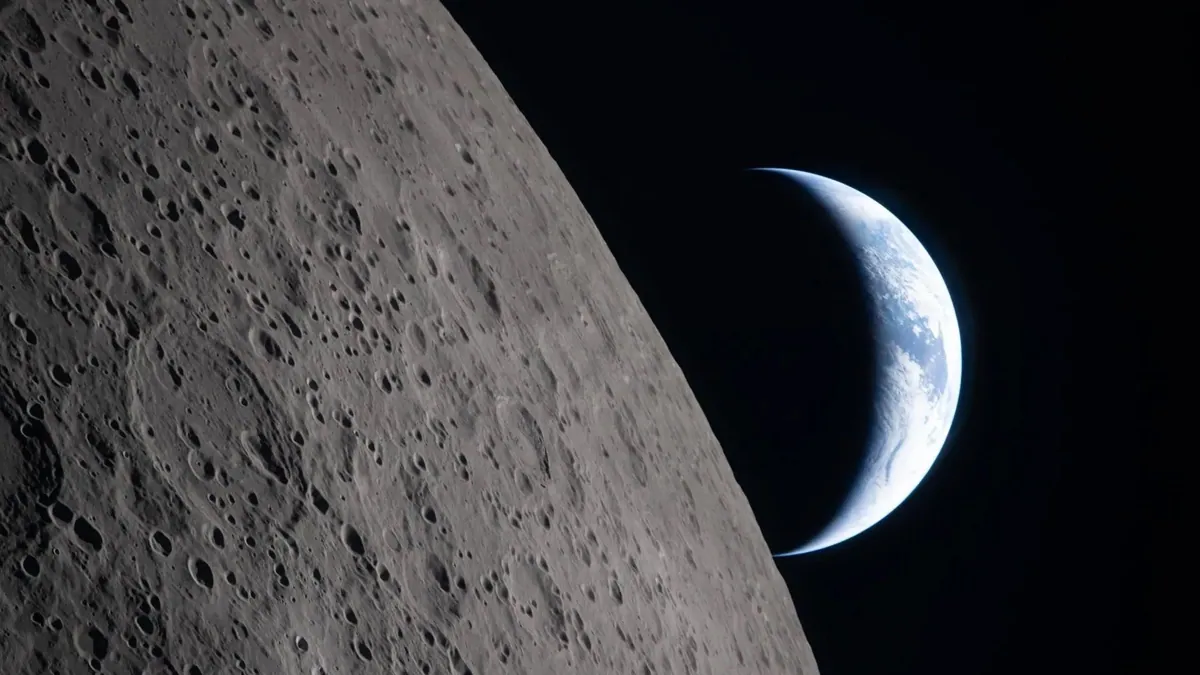
NASA will hold a press conference Friday, Oct. 23, at 2 p.m. EDT (1800 GMT) to give an update on its Artemis moon program, and the agency says it will include fresh details on the timeline for returning astronauts to the lunar surface. The event, dubbed "Artemis Acceleration," takes place at Kennedy Space Center in Florida and will be streamed live.
Three names are on the roster: NASA Administrator Jared Isaacman, Associate Administrator Amit Kshatriya, and Jeremy Parsons, the agency's Artemis program manager. According to an Oct. 14 NASA media advisory, the briefing will cover Artemis III — the mission that sends four astronauts to low Earth orbit next year to test systems needed for future moon landings — plus an update on NASA's push to get American astronauts back on the lunar surface by 2028.
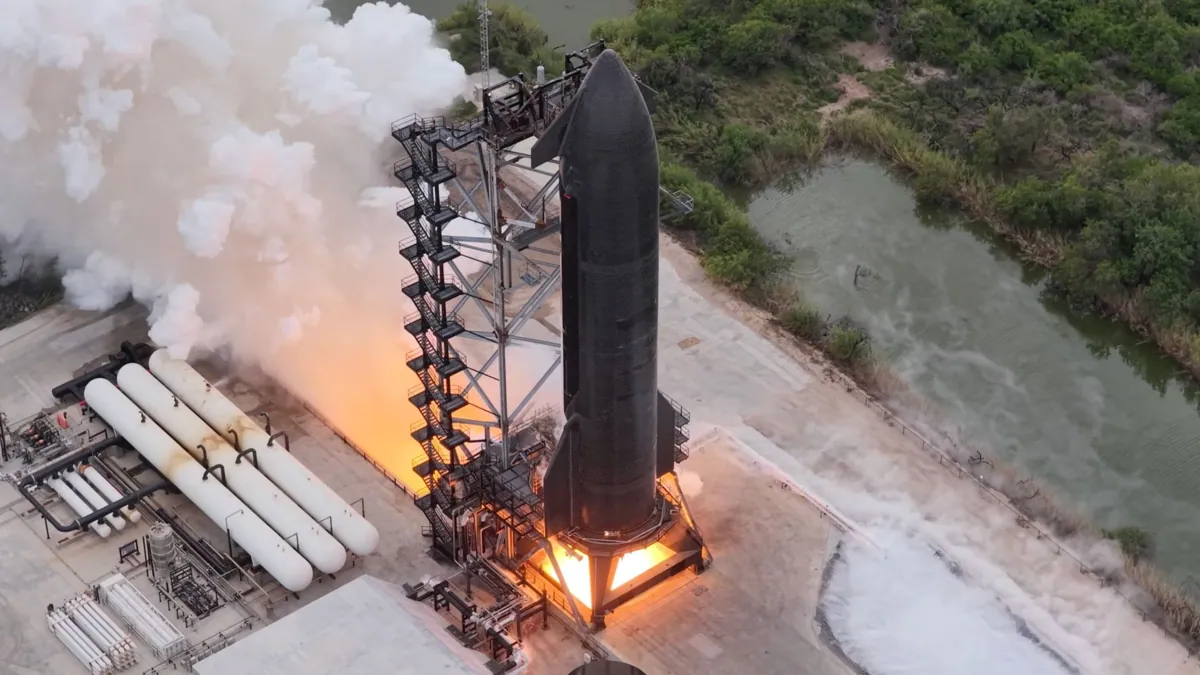
That 2028 target is the headline number here, and it's worth understanding how NASA plans to get there. Artemis III, targeted for mid-2027, won't actually touch down on the moon. Instead it's a dress rehearsal: astronauts aboard NASA's Orion capsule will practice rendezvous and docking maneuvers with one or both of the private landers NASA has selected for the program, SpaceX's Starship and Blue Origin's Blue Moon.
The real prize comes with Artemis IV, penciled in for early 2028. If the schedule holds, that mission will put astronauts down near the lunar south pole, marking the first crewed moon landing since Apollo 17 in 1972 — more than half a century ago. NASA hasn't yet decided which lander will carry that crew to the surface; the choice depends on how Starship and Blue Moon's development progresses, and on what NASA learns from Artemis III.
Artemis IV won't be the last stop, either. NASA's broader goal is a permanent lunar base, which means a steady cadence of future missions, robotic and crewed alike, built on whatever Artemis III and IV establish.
Why the urgency
NASA's timeline isn't unfolding in a vacuum. China has its own lunar ambitions on a similar schedule, and U.S. military and political officials have framed this as a race worth winning, not for bragging rights but for influence over how future activity on the moon gets governed. Whoever gets there first and stays has an outsized say in setting the norms for behavior on a body that multiple nations now want to exploit, for resources, for science, and potentially for strategic positioning.
That framing is likely to shape Friday's remarks. With Isaacman now running the agency, this briefing is also a chance to hear directly from leadership on whether the program's ambitious milestones are holding up against real-world engineering and schedule pressure, both perennial sources of slippage in human spaceflight.
Friday's update is scheduled during a period when every detail about contractor readiness, hardware testing, and mission sequencing carries weight for a program racing against a geopolitical clock as much as an engineering one. Expect the briefing to focus on concrete progress markers rather than new policy, but any shift in the Artemis III or IV dates, or in how NASA is thinking about lander selection, would be the detail worth watching for.