NASA Releases Over 800GB of Artemis II Footage, Audio, and Photos to the Public
The trove includes raw crew audio capturing the moment astronauts reported what may be the faintest lunar impact flash ever seen by the human eye.
NASA just handed over an enormous amount of raw material from one of its most closely watched missions in years. This week the agency uploaded more than 800GB of imagery, audio, and video from Artemis II to a new site called "Artemis II: Sights & Sounds of Science," according to The Verge.
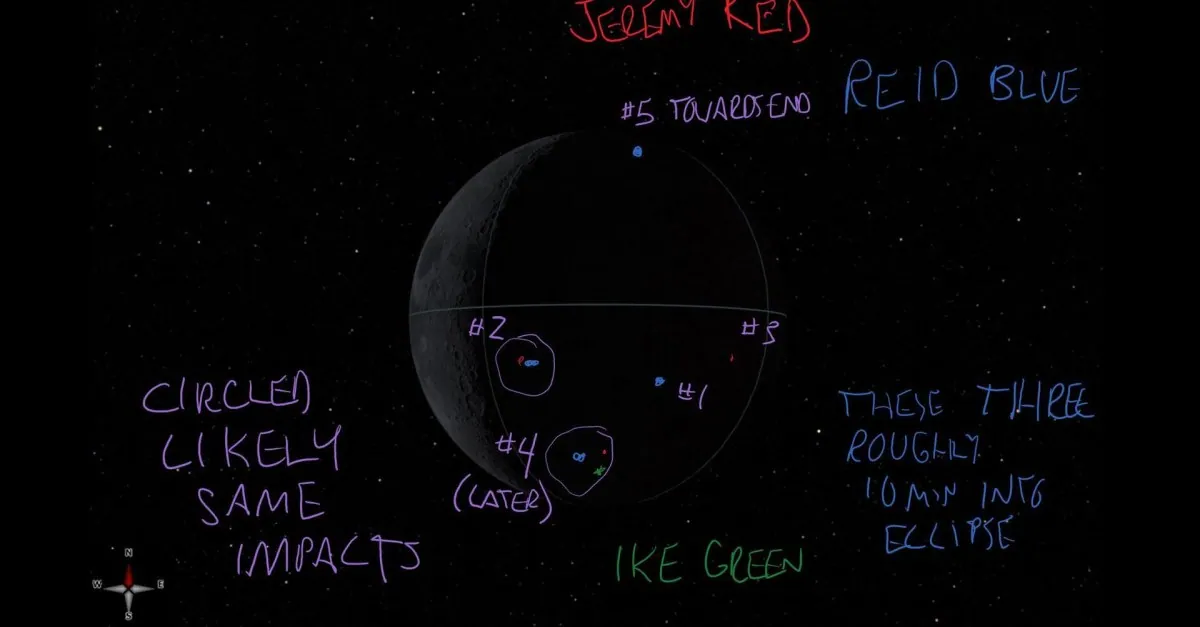
The scope of the release is what makes it notable. It includes more than 11,000 photos and videos and over 8.5 hours of audio pulled from the mission, per The Verge's reporting. Some of the images carry the crew's own annotations, including one marking the exact spot where astronauts spotted impact flashes on the far side of the Moon.
That detail points to one of the more striking findings buried in the archive. Impact flashes, the brief bursts of light produced when debris strikes the lunar surface, aren't new to science. But the ones the Artemis II crew reported seeing on the Moon's dark side might be the faintest such flashes anyone has ever observed with the naked eye, according to The Verge.
The archive includes footage of the crew relaying that observation to mission control in Houston in real time. The excitement in their voices comes through clearly in the clip, The Verge notes. It's a rare opportunity for the public to witness a scientific observation unfold live, rather than read a cleaned-up summary of it weeks later.
NASA didn't just dump files and move on. Alongside the trove, the agency published three companion documents meant to help researchers and curious members of the public make sense of it all: the Artemis II Preliminary Lunar Science Report, the Artemis II Lunar Science Operations Report, and the Artemis II Lunar Science Data User Guide.
Taken together, the footage, stills, audio, and supporting reports amount to an unusually open look inside a mission that's drawn intense public attention. Space agencies typically package their best material into tightly edited highlight reels. This release looks more like the full raw tape, annotations included, left for scientists and space enthusiasts to dig through on their own terms.
For now, the Sights & Sounds of Science site stands as the most complete public record of what the Artemis II crew actually saw, heard, and reported during the mission. Anyone curious about what really happened up there no longer has to wait for NASA to tell them.