Microsoft Word Is Now Nagging Paying Customers to Buy More AI
Microsoft 365 Personal and Family subscribers are seeing persistent, unclosable ads pushing Copilot upgrades inside the apps they already pay for.
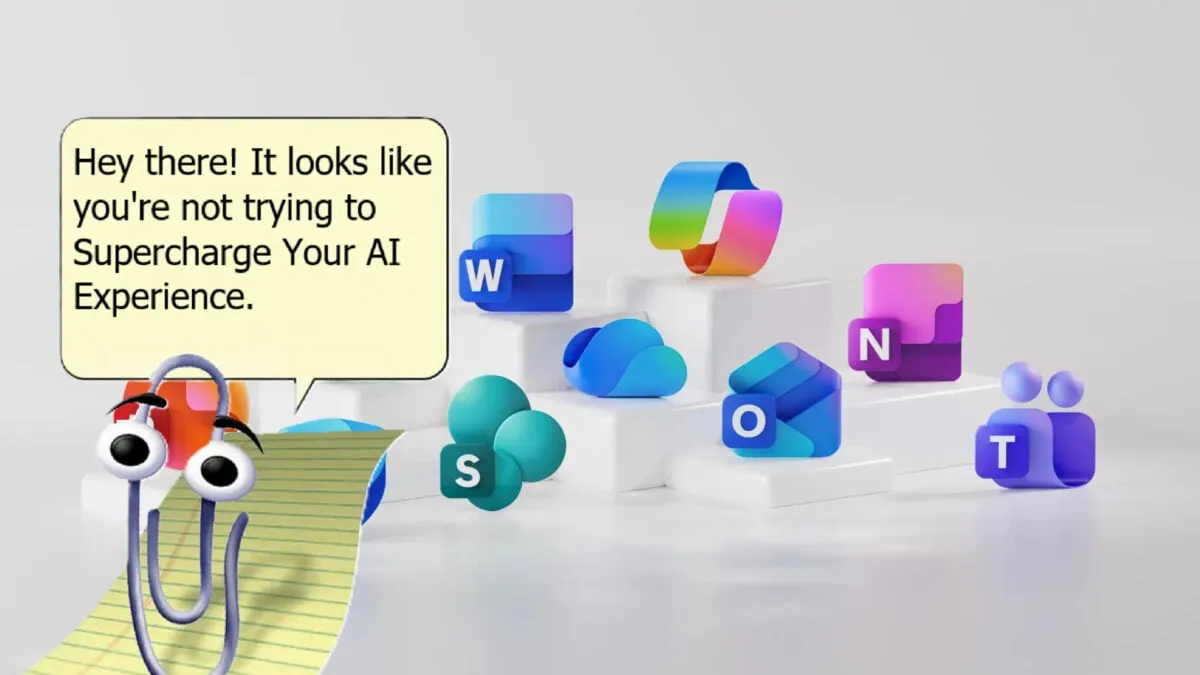
If you pay for Microsoft 365, you may have noticed something new sitting at the top of your Word documents: a button that won't go away, urging you to "Supercharge your AI experience." It's not a glitch. It's an ad. And it's showing up inside software that people are already paying roughly $130 a year to use.
The issue was first reported by Neowin, which noticed the ads appearing in its own Microsoft 365 account after spotting complaints from other users on the Microsoft Feedback portal. According to that reporting, the ads have been rolling out to Microsoft 365 Personal and Family subscribers since late April.
The most jarring version of the ad appears as a large pop-up when a user opens a document, pitching a "limited-time offer" to upgrade to Microsoft 365 Premium for expanded "AI usage and exclusive Copilot features." Beyond that pop-up, there's a persistent "Upgrade your plan" button parked in the top right corner of the document window. Users report that it cannot be dismissed. Get rid of it once, and it reportedly resets after a week or two, ready to ask again.
One user, posting on X, described the experience of clicking the upgrade button only to land on a page where it was, in their words, "impossible to work out what the 'Upgrade' contains." That's not exactly a great look for a company asking people to pay more money on top of a subscription they already have.
The frustration isn't just about the ads existing. It's about where they're showing up. Microsoft has long marketed an ad-free experience as one of the actual perks of paying for a 365 subscription, particularly around its email service. Seeing in-app upsell banners baked into Word, a tool plenty of subscribers use for basic document editing with zero interest in Copilot, undercuts that pitch directly.
Why Microsoft is pushing so hard
The timing isn't a coincidence. Microsoft has poured hundreds of billions of dollars into building out AI data centers, infrastructure that, so far, hasn't generated returns anywhere close to matching that investment. That spending pressure shows up elsewhere too: Microsoft recently released a budget 8GB version of its Surface Laptop that reportedly performs poorly, partly because the company's AI infrastructure spending has helped push up RAM prices industry-wide.
Copilot is Microsoft's flagship answer to the AI moment, and turning it into a real subscription business is presumably a priority for a company whose investors want to see some payoff from all that capital expenditure. Ads nudging existing subscribers toward a pricier Copilot-enabled tier fit that goal. Whether hammering paying customers with unclosable upsell banners is the way to get there is a different question, one that plenty of frustrated users on Microsoft's own feedback forums seem to be answering with a firm no.
It's also not an isolated case of Microsoft blurring the line between "product you paid for" and "ad space." Owners of at least one LG monitor model have reported McAfee ads getting pushed to their screens via an automatic Windows Update. Combine that with the new Word behavior, and there's a broader pattern of Microsoft using its software and update channels as marketing real estate, even on hardware and services customers already paid for.
What subscribers are actually getting
For now, there's no indication Microsoft has addressed the complaints publicly or announced any plan to make the "Upgrade your plan" button dismissible. The ads keep appearing, keep resetting, and keep targeting people already inside a paid tier of the product. For Microsoft 365 Family subscribers paying around $130 annually, that means opening Word to write a document now comes bundled with a recurring pitch to pay more for AI features they may never asked for and might not want.
The broader question is what this signals about how Microsoft views its AI ambitions relative to its existing subscriber base. Copilot integration across Office apps has been pushed aggressively for over a year, but turning that push into persistent, unclosable in-app advertising marks an escalation. Whether that pressure campaign converts subscribers to Premium or simply erodes goodwill among people who already pay for an ad-free experience is something worth watching in the months ahead.