NASA's Latest Count for Fueling a Starship Moon Lander: 22 Launches
A NASA safety panel's new estimate suggests the number of Starship flights needed to support an Artemis Moon landing has climbed well past earlier unofficial figures.
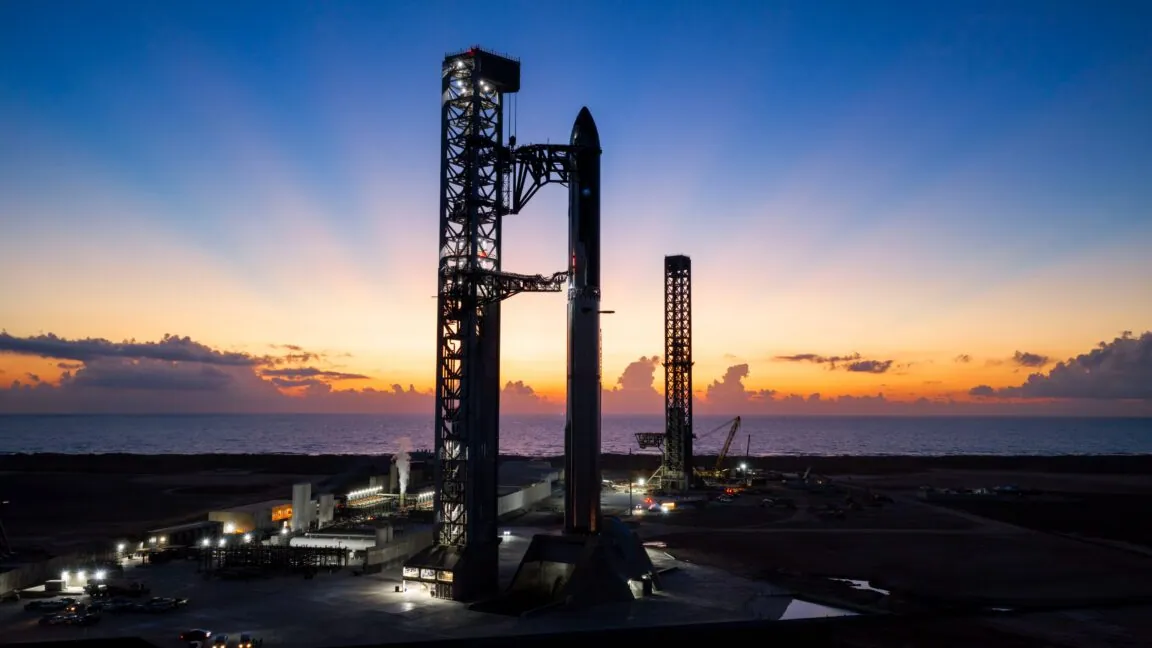
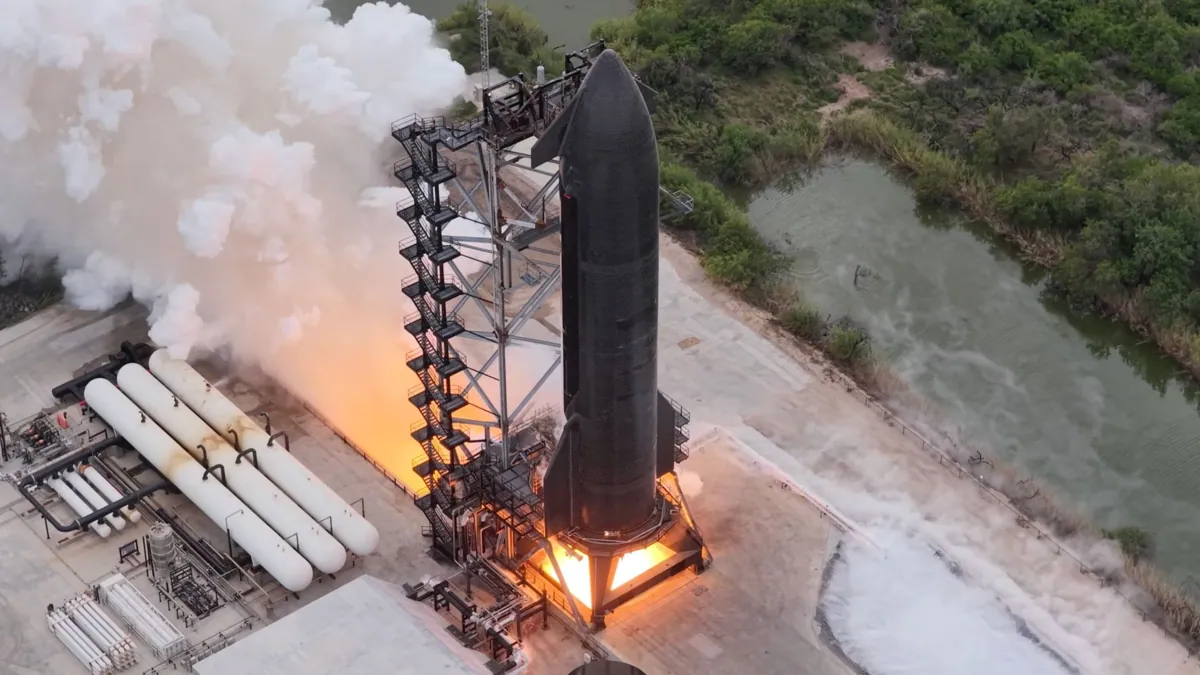
NASA has a new number for one of the most consequential unknowns in its Artemis Moon program, and it's not a good one for SpaceX's timeline. According to Ars Technica, a NASA safety panel now estimates that it will take 22 Starship launches to fuel a single Starship-based lunar lander for a round trip to the Moon and back.
That number comes from Charlie Precourt, a former NASA astronaut who sits on the NASA Aerospace Safety Advisory Panel, who discussed Artemis-related risks during the panel's quarterly meeting Thursday.
The figure matters because of how NASA's current Moon architecture actually works. Under the plan, SpaceX has to launch a "depot" version of Starship into low-Earth orbit, then send up a series of "tanker" Starships to transfer liquid oxygen and methane into it until the depot is fully loaded with propellant. Only then can the lunar lander — another Starship variant — refuel, head to the Moon, touch down, and fly back to lunar orbit to meet NASA's Orion spacecraft. Every one of those tanker flights is a separate launch, a separate rendezvous, and a separate opportunity for something to go wrong.
NASA has treated this launch count like a closely held secret for years, mostly because it kept changing and because admitting a high number invites obvious questions about feasibility. In 2023, Lisa Watson-Morgan, then director of NASA's Human Landing System program, told Ars Technica, "We have a general idea, but I'm reluctant to say exactly what that is." She later offered a range: "high single digits to low double digits," which worked out to roughly a dozen launches — one depot Starship plus 11 tankers. Other NASA officials have cited "high teens" at different points.
The hope all along was that SpaceX would keep improving Starship's lift capacity enough to shrink that number dramatically, since a heavier payload per tanker flight means fewer flights needed to fill the depot. That's the kind of progress NASA was banking on to make a Starship-based lunar landing realistic on anything close to the current Artemis schedule.
But the new 22-launch estimate suggests that progress either isn't happening or isn't happening fast enough. Ars Technica reports that some NASA officials are now concerned Starship's capacity gains won't materialize in time for the rocket to play a meaningful role in returning astronauts to the Moon under Artemis this decade.
Jumping from "high teens" to 22 is a meaningful move in the wrong direction, not a rounding error. Each additional tanker launch adds schedule risk, since every flight has to be successful and properly timed for the depot to reach full propellant load before the lander's mission clock starts running. A 22-launch campaign also puts more pressure on SpaceX's launch cadence at a moment when NASA is trying to hold a Moon landing date that has already slipped multiple times.
None of this means Starship is out of the running. NASA has structured Artemis around it as the human landing system for upcoming missions, and the agency has not signaled it's abandoning that plan. But the growing gap between what SpaceX hoped to achieve on lift capacity and where the program actually stands is now showing up in official risk assessments, not just outside speculation.
What happens next will depend largely on whether SpaceX can demonstrate real gains in how much propellant each Starship launch can deliver. Until that changes, 22 looks like the number NASA's safety panel is working with, and it's a long way from the single-digit dream that once seemed possible.