ispace Books 500 Kilograms of Cargo Space on SpaceX's Starship for a Moon Mission
The Japanese lunar company, still recovering from two failed landing attempts, is betting a new rover-pallet system and a $50 million Starship deal will anchor its role in a growing lunar supply chain.
ispace has never actually landed anything on the moon successfully. That hasn't stopped the Tokyo-based company from making one of its biggest bets yet: a deal to fly 1,100 pounds of cargo to the lunar surface aboard SpaceX's Starship, the largest rocket ever built.
The company announced the arrangement on July 8, describing it as a new "Lunar Access Integration" service built around Starship's cargo capacity. According to Tokyo Brief, the deal is worth $50 million. The mission won't fly before 2030, and that date is soft — it depends entirely on how quickly SpaceX can turn Starship from a test vehicle into something that actually reaches orbit and comes back reliably.
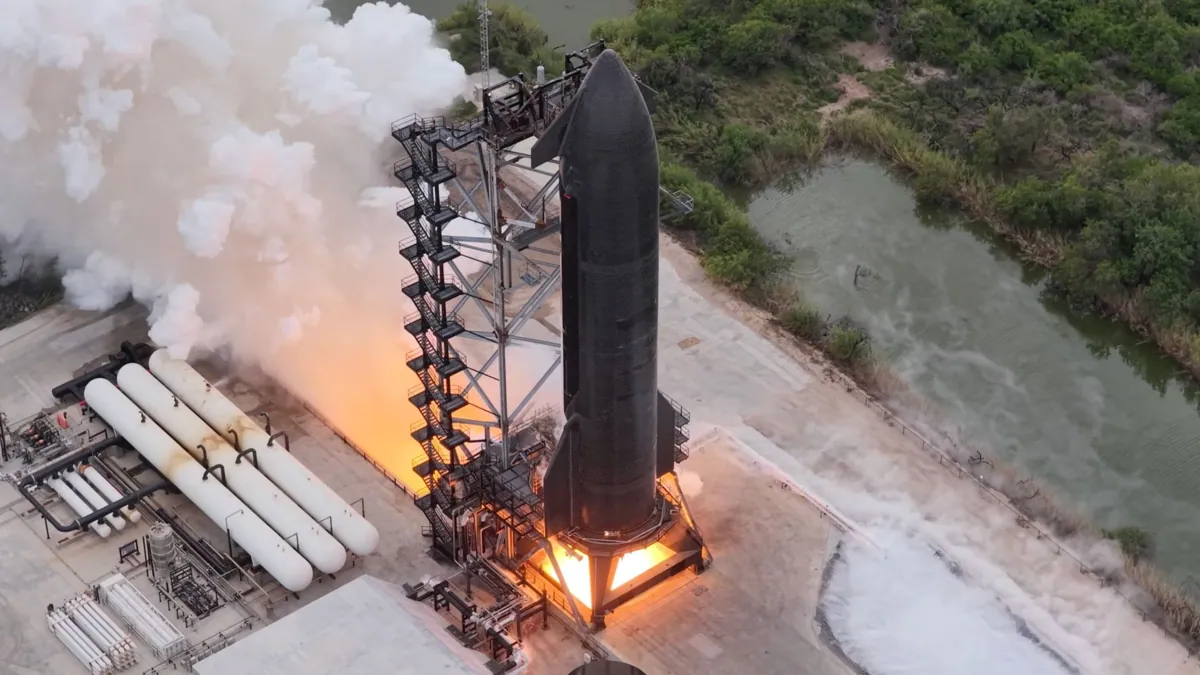
That caveat matters. Starship has flown 12 times so far, and every single flight has been suborbital. SpaceX has been promising an operational Starship for the better part of a decade, and the goalposts have moved repeatedly. Back in 2021, the company was targeting a lunar mission "before 2024." That didn't happen, and delays with Starship have rippled outward, contributing to schedule slips across NASA's entire Artemis moon program, according to agency officials.
What ispace is actually flying
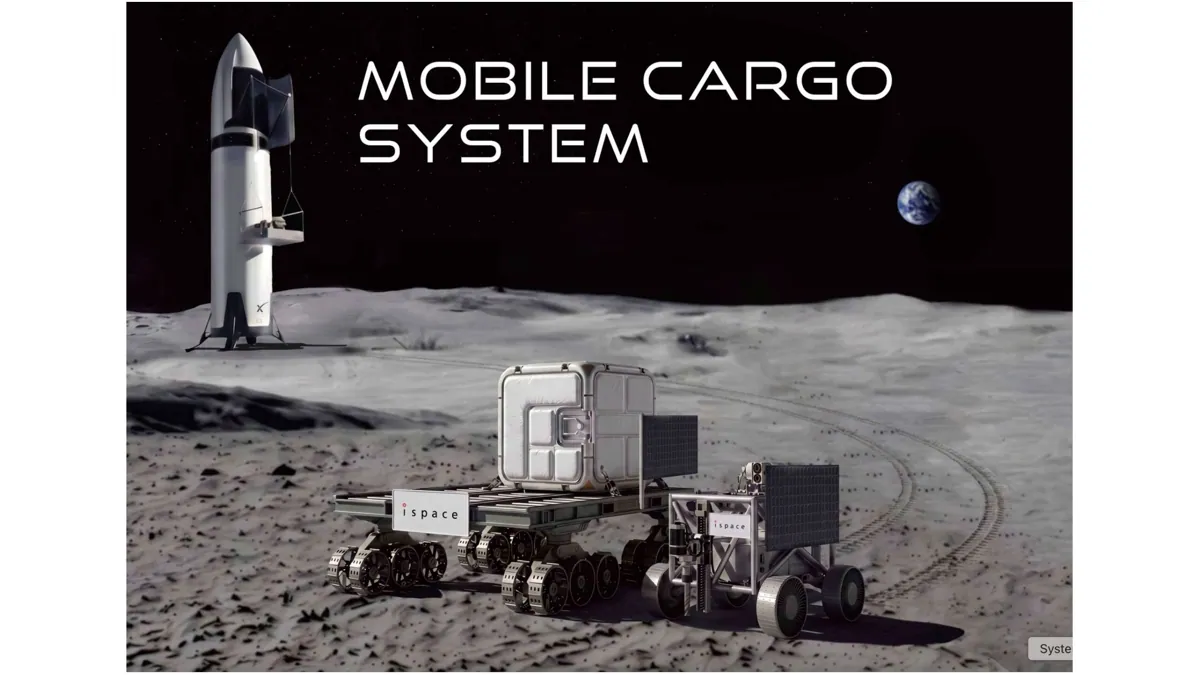
The cargo itself is a new piece of hardware called the Mobile Cargo System, or MCS — essentially a flat, pallet-style rover designed to haul up to 1,100 pounds of material across the lunar surface. It's a departure from ispace's earlier landers, and it's built specifically around the idea that rockets like Starship are about to make large-scale lunar delivery routine and comparatively cheap.
ispace founder and CEO Takeshi Hakamada framed the move as a bet on where the lunar economy is headed. "High-capacity, relatively low-cost lunar transport, such as that provided by Starship, is essential to realizing the sustainable lunar economy that ispace aims to create," he said in the company's statement.
ispace and SpaceX aren't strangers. Falcon 9 rockets have launched ispace's HAKUTO-R moon rover twice, in 2022 and again in 2025. Both times, HAKUTO-R made it into lunar orbit without trouble and then crashed during the landing attempt. A Starship cargo run doesn't erase that track record, but it does show ispace is doubling down rather than retreating — and shifting some of its ambitions toward being a logistics and infrastructure player rather than just a lander company.
Alongside the new MCS mission, ispace is still running its original playbook too: three separate landing attempts with its ULTRA Lander vehicle are scheduled for 2028, 2029 and 2030.
Starship's crowded moon manifest
ispace joins a growing list of customers who've put money down on Starship reaching the moon. NASA is the highest-profile one — Starship is the lander contracted for Artemis III, the mission meant to put astronauts back on the lunar surface. That landing has been pushed to Artemis IV, now targeted for late 2028, with Starship's slow development cited as part of the reason.
Not every Starship moon booking has survived. Japanese billionaire Yusaku Maezawa announced his #dearMoon project back in 2018, planning to fly himself and a group of artists around the moon on Starship's first crewed flight. He scrapped it in 2024 after years of slipping timelines.
Despite that history, there's real momentum behind Artemis right now. NASA has two successful missions under its belt: the uncrewed Artemis I loop around the moon in late 2022, and the four-person Artemis II flight this past April. Artemis III is next, currently planned for mid-2027, and it will test something new — rendezvous and docking between NASA's Orion capsule and two competing crewed lunar landers, Starship and Blue Origin's Blue Moon, in Earth orbit.
Building the lunar supply chain
ispace's pitch isn't just about getting one rover to the moon. It's about positioning itself early in what it expects to become permanent lunar infrastructure — power, communications, construction, data networks, and transport, all built up over successive missions.
"The emergence of rockets with the capability of transporting large-scale payloads to the moon is expected to accelerate deployment of lunar infrastructure," the company said in its statement, adding that once that core infrastructure exists, it should lower the barriers for smaller follow-on payloads focused on technology testing, exploration and commercial ventures.
ispace also said its Mobile Cargo System is designed to scale — as demand for lunar missions grows, the company expects the payload capacity of future MCS units to grow with it.
Whether any of this pans out depends on a variable ispace can't control: SpaceX's ability to finally get Starship flying operational missions instead of test flights. But the fact that a company still working through the aftermath of two crashed landers is willing to commit $50 million and a new vehicle design to a 2030 Starship mission says something about how confident the industry has become that the giant rocket, eventually, will fly.