Apple's Next iPhone Software May Be Able to Lock Down Devices Over Missed Payments
Code buried in an iOS 27 beta hints at a "Restricted Mode" that could gut a financed iPhone down to its bare essentials if a payment lapses.
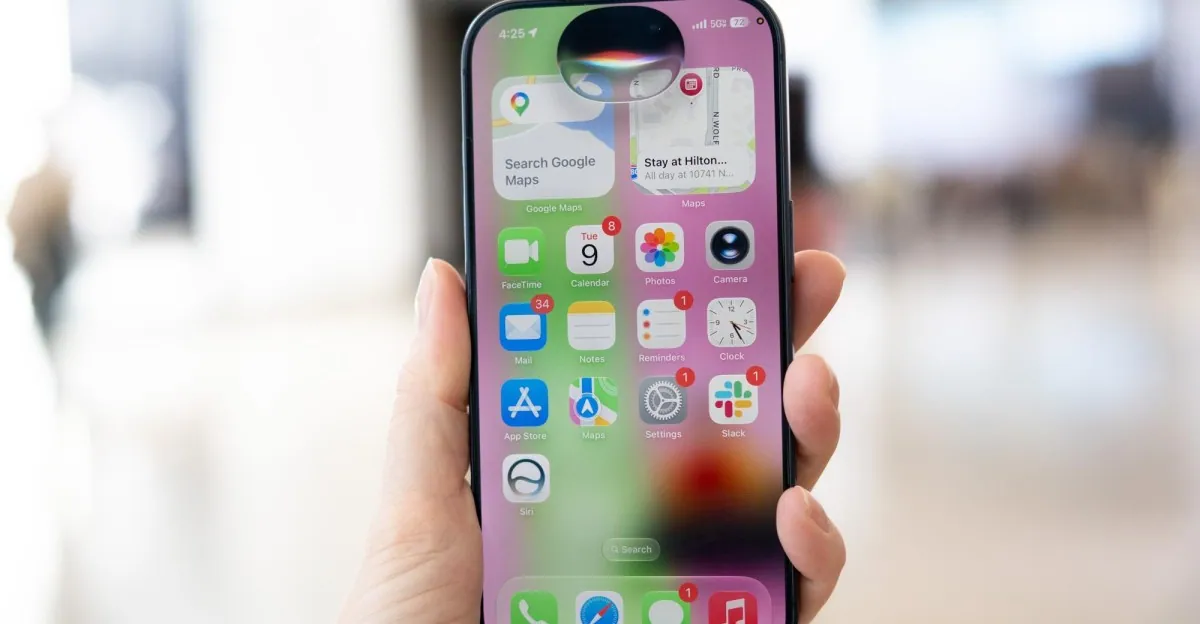
Buried inside an iOS 27 beta is code suggesting Apple is building a way to remotely cripple an iPhone if its owner falls behind on payments, according to 9to5Mac. The mechanism reportedly goes by the name "Restricted Mode," and it would strip a device down to little more than the Phone app, Settings, and the App Store, effectively turning a modern smartphone into a paperweight with a dial pad.
The discovery lines up with reporting from Bloomberg earlier this week describing a new Apple financing option called "Apple Upgrade," aimed at customers who want to lease rather than buy their next iPhone, Mac, or iPad. Neither the "Apple Upgrade" program nor "Restricted Mode" has been officially announced, and Apple did not immediately respond to a request for comment, per The Verge's reporting.
How it reportedly works
The code points to a new framework called "App Managed Features," which would let financing partners or lending apps continuously verify that a device is current on its payments. If a payment gets missed, the system can flip the phone into Restricted Mode, cutting off access to nearly everything except the essentials needed to make a call or check settings.
Alongside that, 9to5Mac found evidence of something called "Partner Finance Lock," a feature designed to stop someone from wiping the device, reselling it, or pulling it apart for parts while it's in restricted status. Notably, this lock is tied into Apple's Find My system, but according to the report, it wouldn't give lenders or financing partners access to the phone's actual location. The tracking infrastructure is being borrowed, in other words, without handing over the tracking itself.
Why Apple would want this
The logic here isn't hard to follow. Phone financing and leasing programs live and die on the lender's ability to recoup a device, or at least make it worthless to someone who stops paying for it. Carriers have handled this for years by locking phones to their network or blacklisting stolen IMEI numbers. What's new is Apple potentially building this enforcement directly into iOS itself, tied to its own upcoming leasing program rather than a third-party carrier plan.
If "Apple Upgrade" works the way Bloomberg's earlier report described, it would let customers pay for an iPhone, Mac, or iPad over time and eventually own it, similar to existing carrier installment plans but run through Apple directly. A built-in kill switch would give Apple leverage to make sure people don't walk away from a lease with a fully functional device and no further obligation to pay.
What's still uncertain
The catch is that all of this comes from a beta, and betas are exactly the kind of place where features get tested, tweaked, or scrapped entirely before a public release. iOS 27 isn't out yet, and there's no guarantee that "Restricted Mode" survives in its current form, or survives at all, by the time the finished software ships. The "Apple Upgrade" program itself is still unconfirmed by Apple, resting so far on reporting rather than any official statement.
Still, the pairing of the two stories, one describing a leasing program and the other describing the software mechanism that would make such a program enforceable, gives the rumor more shape than either report would have on its own. It suggests Apple isn't just floating a pricing idea but has already started writing the code needed to back it up.
What to watch
The real test will come when Apple either confirms "Apple Upgrade" or lets iOS 27 ship with this code intact, or missing. Until then, the details worth watching are how aggressively Restricted Mode locks a phone down, whether users get any warning before it kicks in, and how Apple squares a remote kill switch with its usual messaging around user control and privacy. A financing lock that can't see your location is a notably narrow power to grant partners, and it's a detail that suggests Apple is trying to build enforcement without opening the door to broader surveillance concerns.