NASA's Artemis III Dry Run Will Fly Two Different Moon Landers Without Landing on the Moon
A 2027 demonstration mission will have SpaceX and Blue Origin test landers dock with Orion in orbit, rehearsing the hardest parts of a lunar landing before anyone actually attempts one.
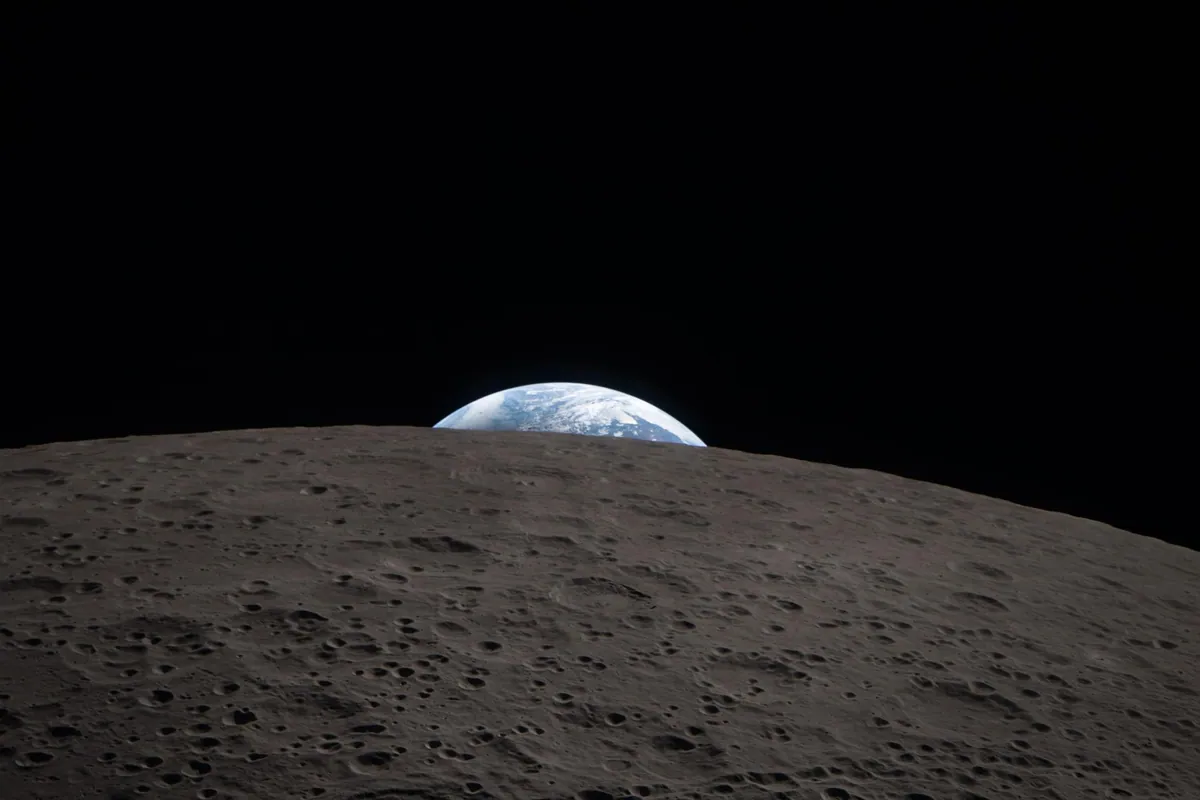
NASA isn't waiting until astronauts are strapped in and headed to the Moon to find out whether its landing systems actually work. In 2027, a year ahead of the planned Artemis III crewed lunar landing, the agency will run a full-scale demonstration mission designed to test the trickiest orbital maneuvers in the entire plan: getting a crew capsule and a Moon lander to find each other in space and dock, not once, but twice, with two completely different spacecraft.
The mission will involve three of the most powerful rockets in the world, launched within a tight window of each other, according to NASA. SpaceX and Blue Origin will each send up test versions of their human landing systems, while the actual Artemis III crew launches separately aboard NASA's Orion spacecraft, riding the agency's SLS rocket from Kennedy Space Center. None of these test landers will touch the lunar surface. Their job is to prove that rendezvous and docking between commercial landers and Orion can happen safely and reliably, generating data that feeds directly into the uncrewed and crewed landing missions that follow.
It's a rehearsal, essentially, for the most dangerous part of the whole Artemis architecture, run before the stakes involve someone actually walking on the Moon.
Two companies, two very different machines
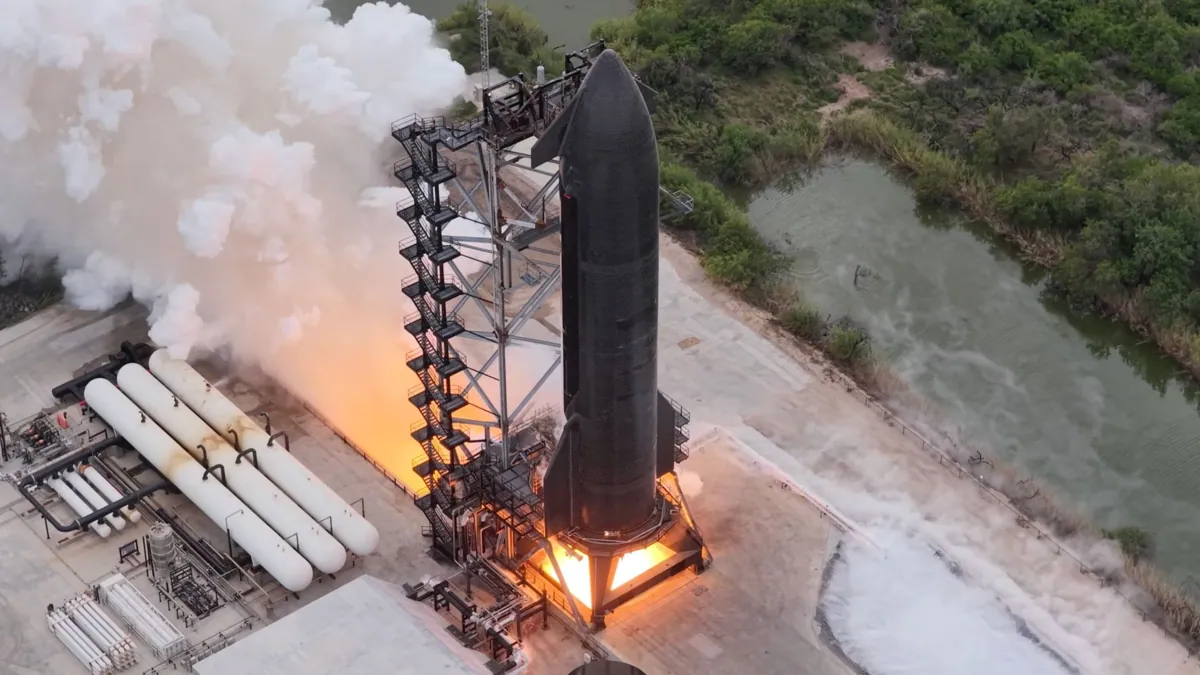
NASA has contracted both SpaceX and Blue Origin to build human landing systems, and for this test each company is flying a version of its real hardware rather than a simplified mockup. SpaceX will launch a Starship Version 3, the newest iteration of the vehicle currently in production, fitted with a docking system added to the nose of the 171-foot spacecraft. No astronauts will board the Starship test lander during this mission; NASA and SpaceX are focused on evaluating controllability and communications between the docked vehicles.
Blue Origin's approach goes further. Its Blue Moon test lander will be based on the company's Mark 2 crew lander architecture and will carry the real avionics, flight software, and control systems intended for future crewed flights. Up to two crew members, wearing orange Orion crew survival suits, will actually open the hatch and enter the Blue Origin lander during the mission. The vehicle will also carry an instrumented mass simulator standing in for a lunar surface spacesuit, similar in concept to the "Moonikin" manikin that rode aboard Orion during the uncrewed Artemis I flight, feeding back real-time data on conditions inside the crew cabin.
Steve Creech, program manager for NASA's Human Landing System Program at Marshall Space Flight Center, said the two companies have taken distinctly different paths to the same milestone. "Each human landing system provider has taken a different approach to the Artemis III mission," Creech said, adding that the goal is to build confidence in both spacecraft and launch vehicles ahead of an eventual crewed landing.
A three-rocket sequence
The mission's choreography is elaborate. Blue Origin's lander is set to launch first and can loiter in orbit for up to 30 days, giving engineers time to run system checkouts before SLS and Orion lift off from Launch Complex 39B. Once Blue Origin completes its rendezvous and docking tests with Orion, and the Artemis III crew has launched, SpaceX will send up its Starship test lander for its own round of on-orbit testing with the crew still aboard Orion.
Jeremy Parsons, Artemis program manager, described the sequence as pushing NASA's operational limits. "Artemis III will be a highly choreographed dance with a demanding launch sequence across multiple launch pads and equally demanding mission operations for our ground and flight crews, making it one of the most complex and ambitious missions NASA has ever undertaken," Parsons said.
The exercise doubles as a stress test for launch infrastructure itself, according to NASA, putting ground crews, control centers, and data networks across multiple sites through the kind of rapid-fire operations tempo that future "dual launch campaigns" will require, where a lander is prepositioned in orbit ahead of a crewed Orion launch.
Docking, twice, in two different ways
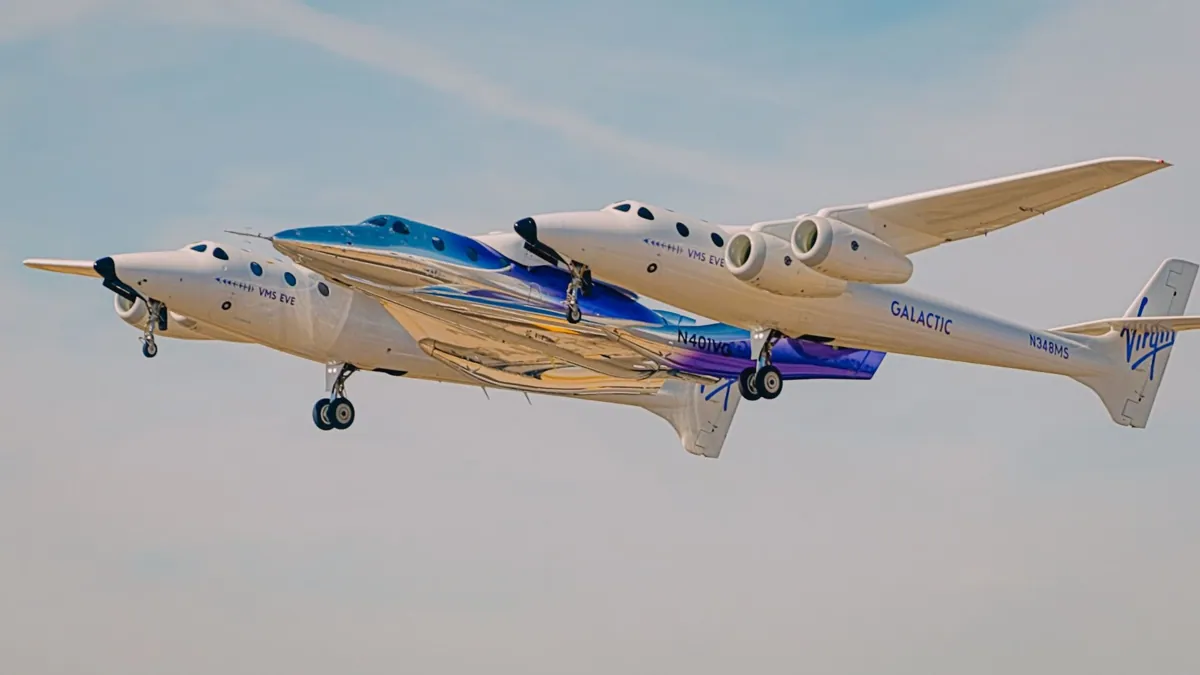
The docking geometry differs meaningfully between the two landers. Orion will dock along the side of the Blue Moon test lander, next to its crew cabin, then later dock nose-to-nose with the much larger SpaceX Starship test lander. In both cases, Orion acts as the "chaser" spacecraft while the landers serve as fixed targets, the same setup planned for actual crewed lunar landings.
Control also shifts between phases. When Orion docks with Blue Moon, Orion's own software takes charge of the joined spacecraft. During the SpaceX docking phase, the Starship test article assumes control instead. NASA says this lets engineers evaluate how software and hardware from different companies interact with Orion under real conditions, and how the combined, docked spacecraft behaves dynamically in orbit.
Both companies have already cleared ground-based testing of their docking hardware. SpaceX qualified its docking capability back in 2023, while Blue Origin ran development testing on its pressurized docking system earlier this year. NASA says it will verify that both test landers meet functional, performance, and safety requirements before Artemis III flies, ensuring the crew inside Orion is protected through both docking phases.
Throughout the mission, Orion itself will stay in a circular orbit rather than heading to the Moon, with astronauts returning to Earth via splashdown once testing wraps. All three rockets involved will have more launch opportunities available to them than a true lunar mission would allow, and each is capable of reaching the required orbit in a single launch, giving NASA some operational cushion during a mission with very little room for error.
The lessons from this 2027 dry run, combined with future uncrewed demonstrations at the Moon, are meant to give NASA the confidence to send astronauts down to the lunar surface for the first time since Apollo, currently targeted for 2028.