Google Just Made Ditching Your iPhone a Lot Less Painful
Android 17's new transfer tool moves passwords, eSIMs, and Wi-Fi logins along with the usual photos and contacts, no extra app required.
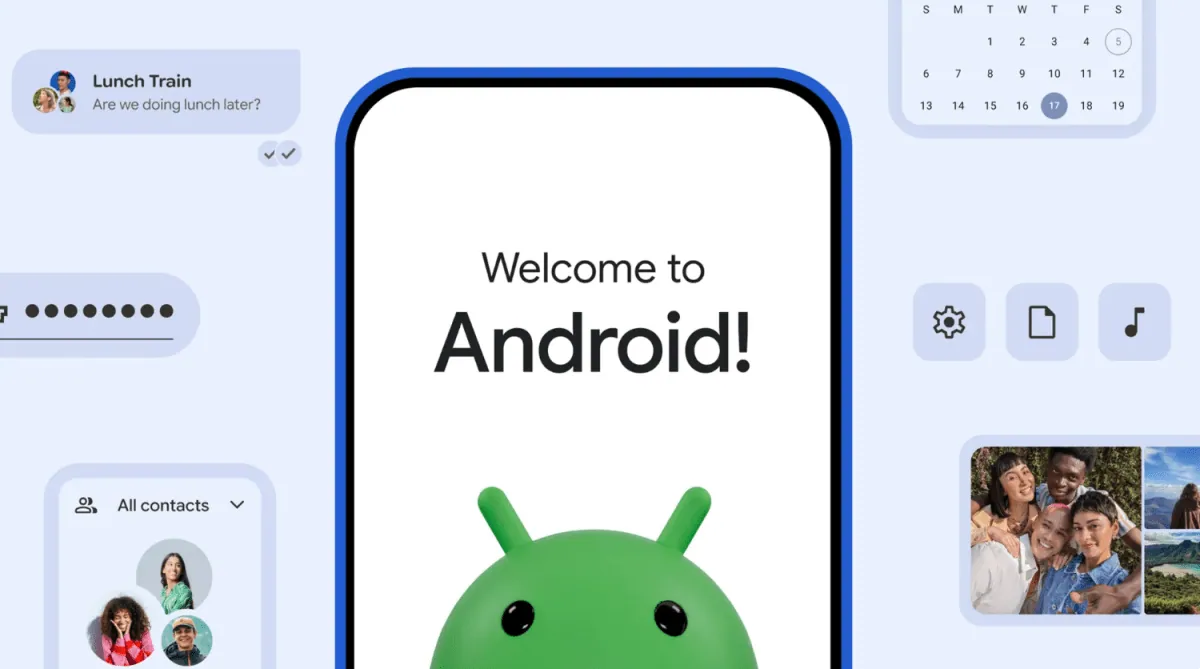
Switching from an iPhone to Android has always come with a nagging tax: the stuff that doesn't transfer cleanly. Photos and contacts move over fine, but passwords, Wi-Fi networks, and your SIM setup often don't, leaving you to rebuild pieces of your digital life by hand. Google says it's closing that gap with a new migration tool built into Android 17, announced Wednesday, that pulls in far more of an iPhone's data than before, and does it without making the user download a separate app first.
The expanded list of what transfers now includes a person's Google Account, saved passwords, Wi-Fi credentials, and even their eSIM, according to Google. That's on top of the basics the company already supported, like photos, videos, contacts, messages, and calendars. For anyone who's made the switch before, the eSIM and Wi-Fi password items in particular are the kind of small annoyances that used to eat up the first hour with a new phone.
The timing isn't subtle. Google is explicitly framing this as a play to pull more iPhone owners into the Android ecosystem, and the easier a transfer is, the fewer excuses people have for staying put. Switching costs, not just the price of a new phone but the hassle of resetting up your digital life, are one of the biggest reasons people stick with whatever ecosystem they're already in. Chipping away at that friction is a direct way to make the alternative more tempting.
Where it's showing up first
The rollout has already begun on select Pixel devices, and it's also live on Samsung's newly unveiled Galaxy Z Flip8 and Z Fold8, which debuted the same day as the announcement. Google says the feature will expand to more Android devices over time, though it hasn't laid out a specific timeline for that broader rollout.
Pairing the launch with Samsung's foldable announcement is a deliberate bit of stagecraft. It signals that this isn't a Pixel-exclusive perk Google is holding close, but a platform-level feature meant to benefit the wider Android hardware ecosystem, Samsung included, as everyone competes for the same pool of iPhone switchers.
Why the app-free part matters
The detail about not needing a separate app is easy to skim past, but it's a real usability fix. Previous switching tools generally required installing something first, either on the old iPhone or the new Android device, which meant extra steps and one more thing that could go wrong or simply get skipped. Folding the transfer directly into Android 17 removes that step and makes the wireless transfer feel more like a built-in system function than a third-party workaround.
The bigger picture
None of this is new territory for Google, which has offered iPhone-to-Android switching tools for years. What's changed is the scope. Passwords, Wi-Fi credentials, and eSIMs are exactly the categories of data that used to require manual re-entry, and they're also the categories that create the most day-one frustration for someone leaving Apple's ecosystem. By addressing them directly, Google is targeting the specific pain points that likely talk people out of switching in the first place, rather than just polishing the parts of the process that already worked reasonably well.
Apple, for its part, has never made switching away from iOS especially smooth, and there's no upside for the company in changing that. So the pressure to smooth over the transition has always fallen on whoever is trying to win the user over, in this case Google and its hardware partners.
What happens next is straightforward to track: how quickly this migration tool spreads beyond Pixel and Samsung's newest foldables, and whether Google adds still more data types as Android 17 matures. For now, the message is simple. Google wants leaving the iPhone to feel less like a chore and more like flipping a switch.