NASA Will Bolt Starlink Laser Terminals to Orion for Artemis III
The upgrade could let mission control in Houston watch high-definition, real-time video from lunar orbit instead of grainy, bandwidth-starved feeds.
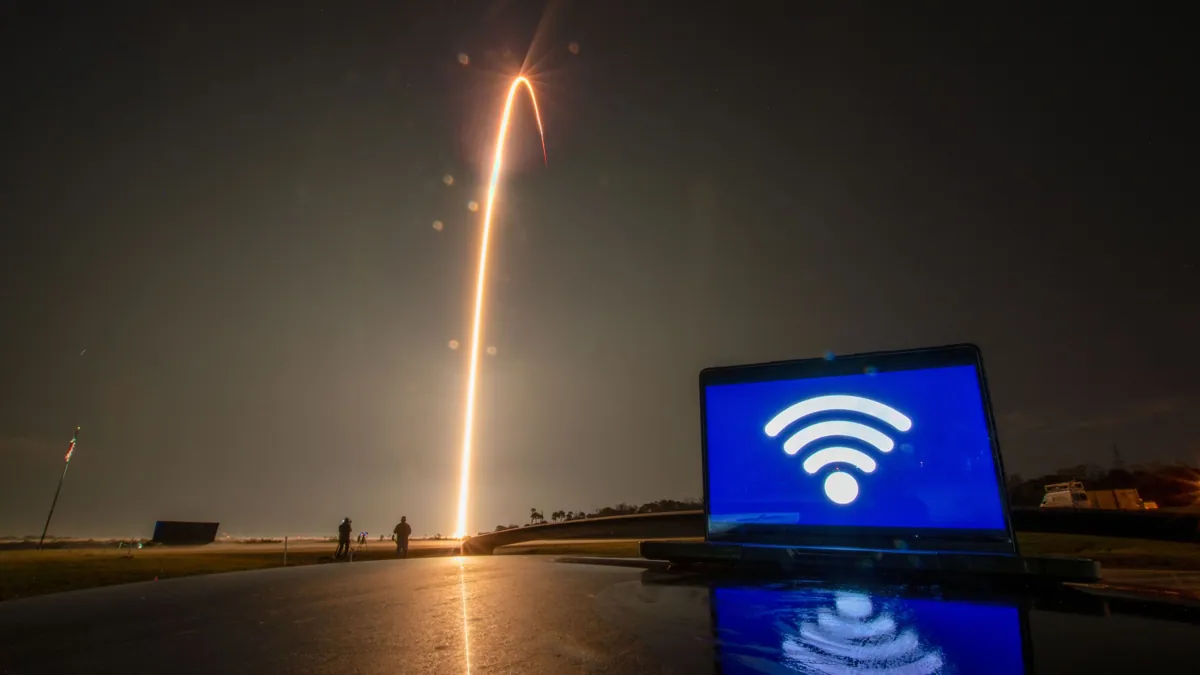
NASA's Orion spacecraft is about to get a serious upgrade to its internet connection. For the Artemis III mission, the agency is teaming up with SpaceX to bolt a pair of Starlink mini laser terminals onto Orion's exterior, plugging the capsule directly into SpaceX's existing satellite network. The goal is simple: push a lot more data back to Earth, fast enough to carry live high-definition video of astronauts in space.
The two panels will sit alongside Orion's existing communications hardware, not replace it, giving the spacecraft an additional pipe for streaming data down to NASA's mission control in Houston. According to NASA, that added bandwidth could include live 4K video beamed back from orbit, a considerable jump from what the space agency has typically been able to pull off in real time.
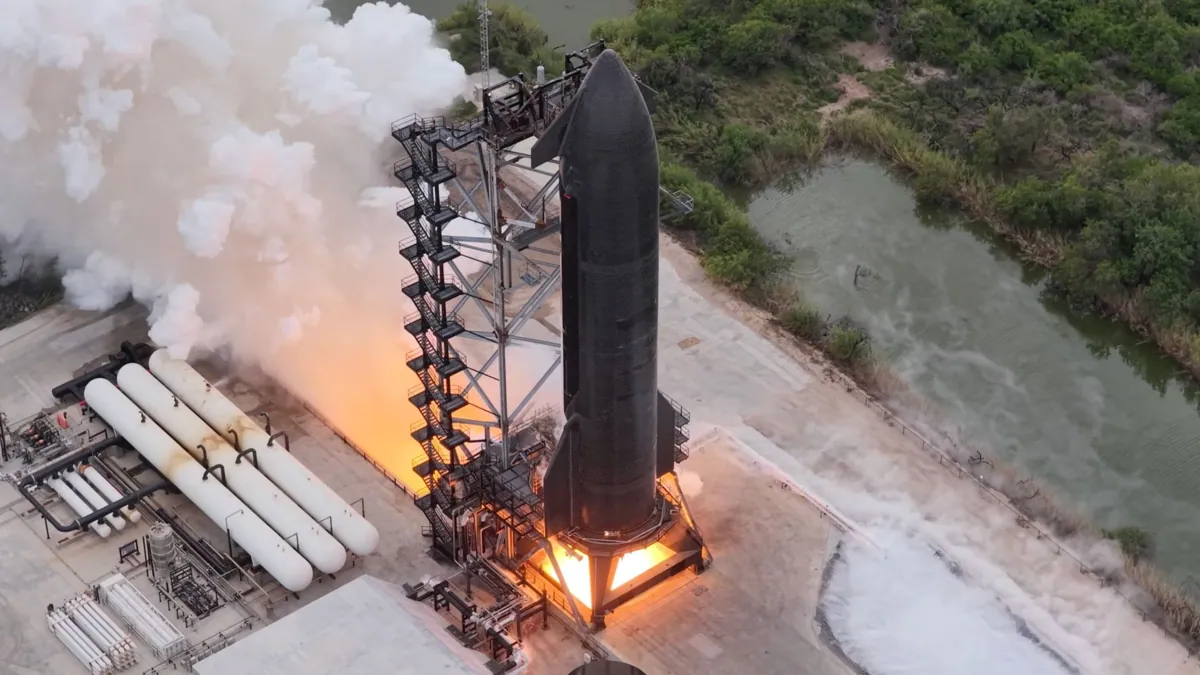
Artemis III is currently targeted for the second half of 2027. It's also the mission where SpaceX shows up in a second, much bigger way: a Starship rocket is part of the plan too.
Riding on an Existing Laser Network
The technology behind this isn't new, it's just being pointed at a new destination. SpaceX already operates a constellation of more than 10,000 Starlink satellites in low Earth orbit, delivering internet service to commercial terminals roughly the size of a laptop across nearly the entire planet. To keep that sprawling network talking to itself, SpaceX has more than 25,000 lasers currently running between satellites in orbit, according to a NASA update.
SpaceX has also already proven this kind of relay works for human spaceflight. During the privately funded Fram2 mission in 2025, which sent the first human into a polar orbit around Earth, the company used the Starlink constellation as a communications relay. SpaceX regularly taps into that same high-bandwidth capability to stream live HD footage of its Falcon 9 and Starship launches from orbit. Hooking Orion into that same system is, in some sense, an extension of infrastructure SpaceX has already built and tested.
Why Laser Comms, and Why Now
This isn't the first time laser communication has flown on Orion, either. NASA already used laser terminals during Artemis II, Orion's first crewed flight, which looped around the far side of the moon over a 10-day mission earlier this year. On that flight, the lasers talked to ground stations at NASA's Jet Propulsion Laboratory in California and the White Sands Complex in New Mexico, handling data loads too large for the agency's Near Space and Deep Space radio networks to manage.
Artemis III is a different kind of mission, though, and that changes the communications math. Rather than heading out toward the moon, Artemis III is designed as a dress rehearsal closer to home: NASA wants to test Orion's ability to rendezvous and dock with its commercial lunar landers, SpaceX's Starship and Blue Origin's Blue Moon, while still in low Earth orbit. Staying in LEO instead of venturing to deep space makes the communications problem considerably easier to solve, which is part of why leaning on the already-dense Starlink laser network in that same orbital neighborhood makes sense for this particular flight.
What Comes Next
If Artemis III goes as planned, it clears the way for NASA's first actual lunar landing under the Artemis program, slated for the following mission, Artemis IV. NASA is targeting 2028 for that launch and has already selected Starship as the lander that will carry astronauts down to the lunar surface.
For now, the near-term payoff is more practical than historic: sharper, faster, more watchable video of astronauts working in orbit, and a real-world test of whether SpaceX's commercial satellite backbone can double as critical infrastructure for NASA's return to the moon.