Apple Will Tell You Which Apps Actually Work With Its Foldable
A new "Made for iPhone Duo" badge arrives in the App Store as Netflix, Microsoft, and Zoom roll out layouts built for the device's two screens.
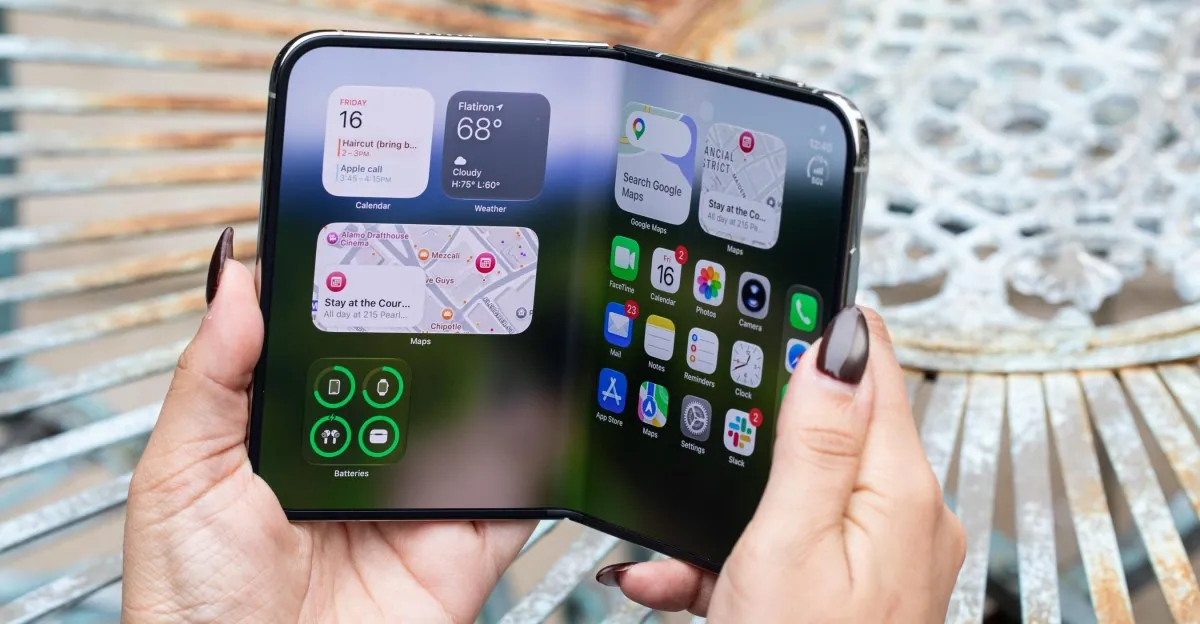
Apple is giving the App Store a new visual cue ahead of this week's iPhone Duo launch: a "Made for iPhone Duo" badge that flags which apps have actually been built to take advantage of the foldable's extra screen space, according to The Verge.
The badge itself hasn't been shown off yet. Apple didn't share an image of what it looks like. But the company did lay out which apps qualify and what "optimized" means in practice, and the examples give a clearer picture of what owning this device might actually feel like day to day.
Netflix is one of the headline examples. Open a show or movie and it fills the Duo's inner display entirely, while the outer screen can run Netflix's feed of short-form clips independently. Amazon's Prime Video takes a different approach to the same hardware: with the phone partially folded into a laptop-like stance, it puts the video on top and cast and show details on the bottom half.
Productivity apps lean into the Duo's two-screen layout even harder. Apple says Microsoft Word will place its formatting toolbar alongside the document you're editing, rather than layering menus on top of the text, and Outlook will show your inbox next to a fully opened email instead of forcing you to tap back and forth. Apple is calling this a "desktop-class" experience, the kind of split-pane layout people are used to on a laptop but rarely get on a phone. Zoom gets similar treatment, letting a video call run alongside shared content on the inner screen at the same time.
Beyond that cluster, Apple's list of optimized apps includes Paramount Plus, NYT Cooking, Yelp, Lyft, and United Airlines. The company says editorial collections highlighting Duo-ready apps will go live in the App Store on Friday, alongside the phone itself, and that more app updates are coming "throughout the year" as developers catch up.
That rollout timeline matters, because right now the list of apps that genuinely use the second screen well is still short. Labeling matters more for a device like this than it would for a normal phone, because a foldable's whole pitch rests on software actually doing something different with the hardware. A phone that unfolds into a bigger canvas is only as useful as the apps that know what to do with that canvas. If most of the App Store just stretches a normal phone layout across the extra space, the foldable format doesn't deliver much the buyer couldn't already get elsewhere.
Apple seems aware that the badge needs to mean something, not just be a sticker. The company explicitly ties it to specific layout behavior, like Word's side-by-side toolbar or Netflix's split inner-outer display, rather than a vague checkmark for "it opens on a Duo." That's a reasonable way to set expectations for a device entering a crowded foldable market where screen tricks are only impressive if they're reliable.
And reliability is where things get murkier. The Verge's Nilay Patel, testing the Duo ahead of launch, found that some apps already carrying "optimized" status still have bugs. Instagram, included in that group, was one example he flagged. That's a useful reality check on the badge: being labeled Duo-ready doesn't guarantee a polished experience yet, just that a developer has made some effort to support the screen format. Early hardware launches almost always come with this kind of lag between what a device is capable of and what the software ecosystem is ready to deliver.
The iPhone Duo itself launches Friday starting at $1,999, and Apple says it will be available in "limited" quantities on a walk-in basis rather than guaranteed pre-order stock. That pricing and limited availability put the Duo squarely in early-adopter territory, the kind of device that's as much a bet on where software is headed as it is a phone people are buying to use today.
The badge system Apple is introducing isn't flashy, but it's the right instinct for a launch like this. Foldables live or die on whether the software actually uses the extra space in ways that feel genuinely better, not just different. Apple labeling that clearly in the App Store gives both reviewers and buyers a quick way to separate the apps worth paying attention to from the ones that haven't caught up yet. Whether that list grows fast enough to justify the price tag is the real test, and it's one that plays out over the "throughout the year" timeline Apple itself set, not on launch day.