Apple's 'Welcome Home' Event Could Finally Deliver a Real Smart Home Hub
A new device, a new operating system called homeOS, and refreshed HomePod Mini and Apple TV hardware are all expected Tuesday — though a touchscreen MacBook reportedly won't make the cut.
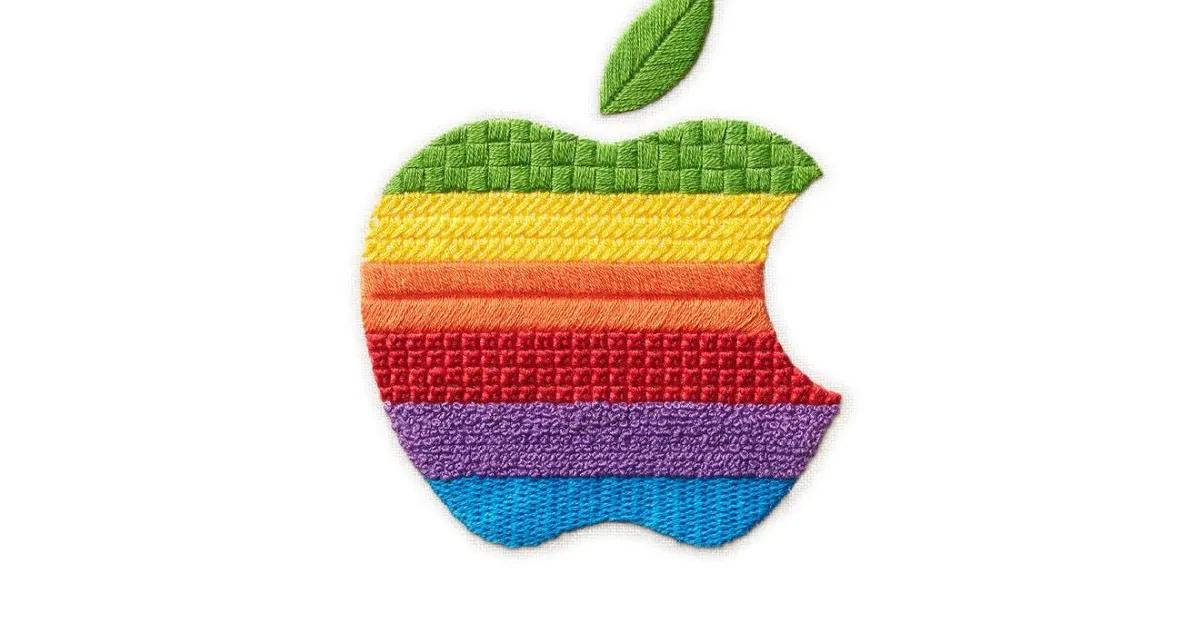
Apple is holding a launch event called "Welcome Home" in New York on October 13th at 9AM ET, and the name is doing a lot of work. After years of treating smart home control as a secondary function buried inside the Home app, Apple appears ready to give the category its own dedicated hardware, its own software platform, and its own moment on stage.
The expected lineup: a brand-new smart home hub, a new operating system reportedly called homeOS, modest hardware refreshes for the HomePod Mini and Apple TV, and a round of partner products — including smart locks and other devices from LG — built to work with Apple's new system. One thing conspicuously missing from the expected lineup is the long-rumored touchscreen MacBook. According to Apple reporter Mark Gurman, that device is coming, just not at this event — he expects it to debut later this month instead.
A hub Apple has been circling for years
Apple has let the Home app do the heavy lifting for smart home control for over a decade, even as rivals built standalone hub hardware. That's reportedly about to change. The new device — which may end up called HomePad, HomeView, or simply Apple Home Hub — is expected to feature a 6-inch square touchscreen that can either mount on a wall or sit on a countertop or table.
Gurman reports that the countertop version will have a distinct look: a screen attached to an arm rising out of a half-sphere base, an aesthetic nod to the old iMac G4. The hub is also expected to use voice or facial recognition to figure out who's standing in front of it, then surface that person's contacts, calendar, and other personal information accordingly. For users wary of a shared household device pulling up their private data on command, Apple is reportedly building in an option to require secondary verification through an iPhone before sensitive information appears.
homeOS enters the picture
Running all of this, according to the reporting, will be a new platform called homeOS. The name surfaced through a trademark filing tied to a shell company called Home Operations Suite LLC — the kind of quiet legal maneuver Apple has used before to lock down product names without tipping its hand early.
Gurman describes the interface as something like a blend of iOS, tvOS, and watchOS, which tracks with a device meant to be glanced at, tapped, and spoken to rather than typed on. The core function is smart home management — thermostats, locks, and the like — but homeOS is also expected to support FaceTime calls and carry over familiar Apple software: Apple Music, Podcasts, News, Reminders, Notes, and Siri.
That last piece matters more than it might seem. Siri's AI-powered overhaul has been one of Apple's most closely watched and most delayed software efforts, and building it directly into a new home hub platform suggests Apple sees this as a genuine proving ground for the assistant, not just a nice-to-have feature bolted onto existing hardware.
HomePod Mini and Apple TV: small updates, right on time
Don't expect dramatic redesigns for either of these. Both the HomePod Mini and Apple TV are reportedly keeping their existing shapes, with the real change happening inside: new processors meant to handle the increased demands of Siri's AI features.
For the HomePod Mini, this would be its first update since it originally launched — on October 13th, 2020, exactly six years before this event, a detail that's hard to read as coincidence. Apple isn't marking the anniversary with a redesign, but it is reportedly adding new color options, including green and pink.
The Apple TV refresh would be its first since 2022. Beyond Siri support, the new chip is expected to speed up the interface, addressing a lag that's long been a minor but persistent complaint. Both devices are reportedly getting Apple's N1 chip, which brings support for Wi-Fi and Bluetooth 6.0.
LG and the rest of the ecosystem
A software platform and a hub are only as useful as the devices that plug into them, and Apple is expected to spend some stage time on partner hardware built for HomeKit and homeOS. Don't expect Apple to hand over much of the spotlight, though — this is likely to be a brief mention rather than a parade of third-party products.
LG's lineup has already leaked, including smart deadbolts and thermostats. Among the more interesting details: an NFC-based feature called "Proximity Control" that surfaces a quick-access hint in the iPhone's Dynamic Island when the phone is held near a compatible device, plus a setup feature that reportedly lets you pair a lock or device without power already running to it.
What's not showing up
The touchscreen MacBook remains the most notable absence from Tuesday's expected lineup. It's been one of the more persistent Apple rumors in recent memory, and Gurman's reporting suggests Apple is deliberately keeping it separate, saving it for a launch later this month rather than folding it into a smart-home-focused event.
That separation is telling on its own. Apple appears to be treating "Welcome Home" as a genuine category launch rather than a grab-bag hardware event, giving the smart home push its own identity, its own operating system, and its own date on the calendar. Whether homeOS and its hub actually change how people manage their homes — or just give Apple a tidier answer to a question Alexa and Google have been answering for years — should become a lot clearer once the keynote actually starts.