Apple Finally Built a Touchscreen MacBook Pro. It's Just a MacBook Pro.
After 16 years of insisting touch and trackpad didn't mix, Apple's first touchscreen MacBook Pro turns out to be a lot less dramatic than the wait implied.
Apple built the laptop it said for 16 years it would never build, and the strangest part is how little that changes anything.
The new MacBook Pro, officially called the MacBook Pro with PROLED XDR Display, finally adds a touchscreen to Apple's flagship laptop line — something two consecutive Apple CEOs have publicly dismissed as unnecessary or even counterproductive over the years. The Verge got hands-on time with the machine and came away with a clear verdict: the touch layer is real, it works, and it's almost entirely unremarkable.
That's not a knock on the hardware around it. According to The Verge's impressions, the new OLED panel is one of the best laptop screens the reviewer has seen, with deeper blacks than the current Mini LED MacBook Pros, high brightness, rich color, and effectively infinite contrast. Apple is marketing it as a "reference-caliber display," and it backs that up by being the first laptop screen to support Apple's CMF 2026 color modes.
But the touchscreen was always the headline feature here, because it's the one Apple spent over a decade arguing against. The expectation, reasonably, was that Apple would use that time to figure out something laptops with touch hadn't done before — some reason the wait was worth it.
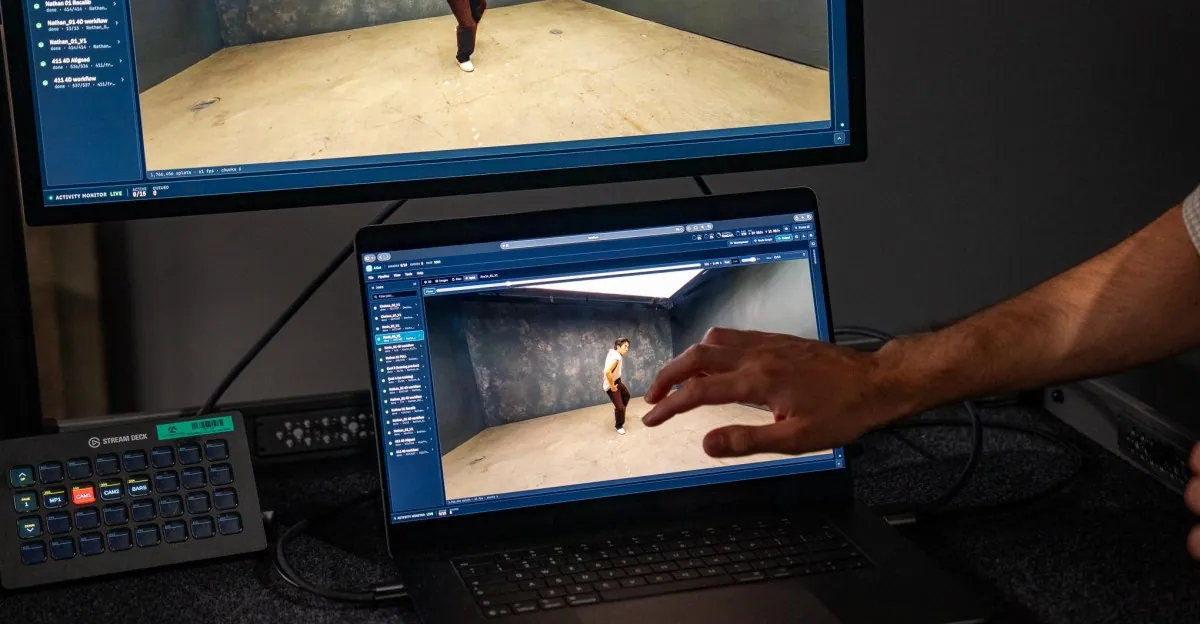
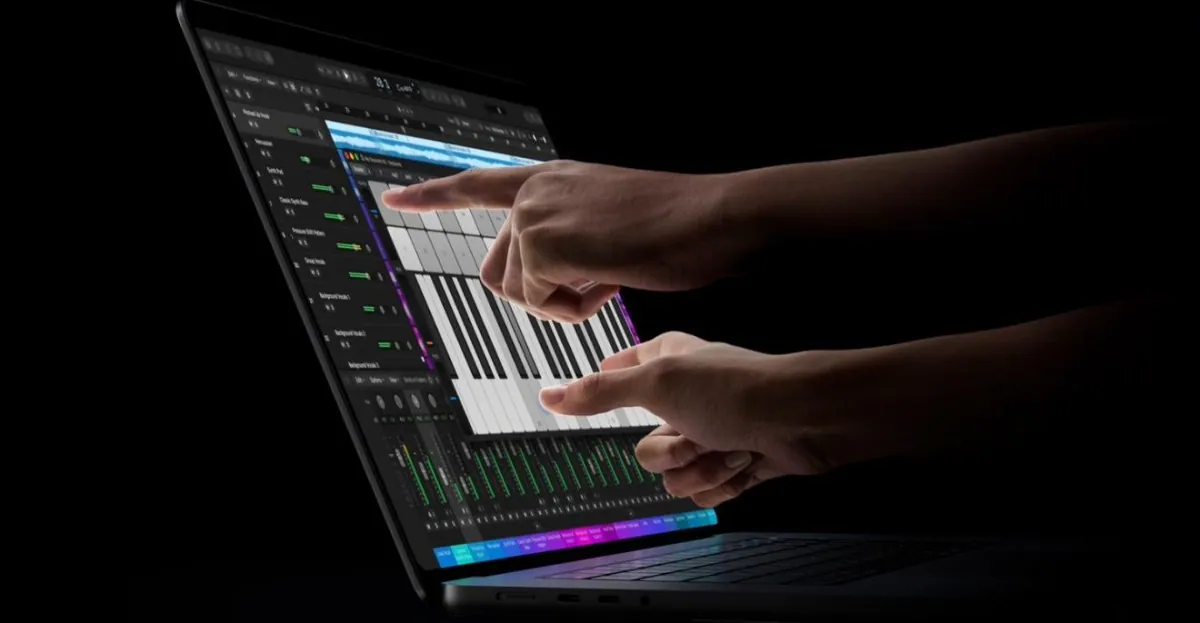
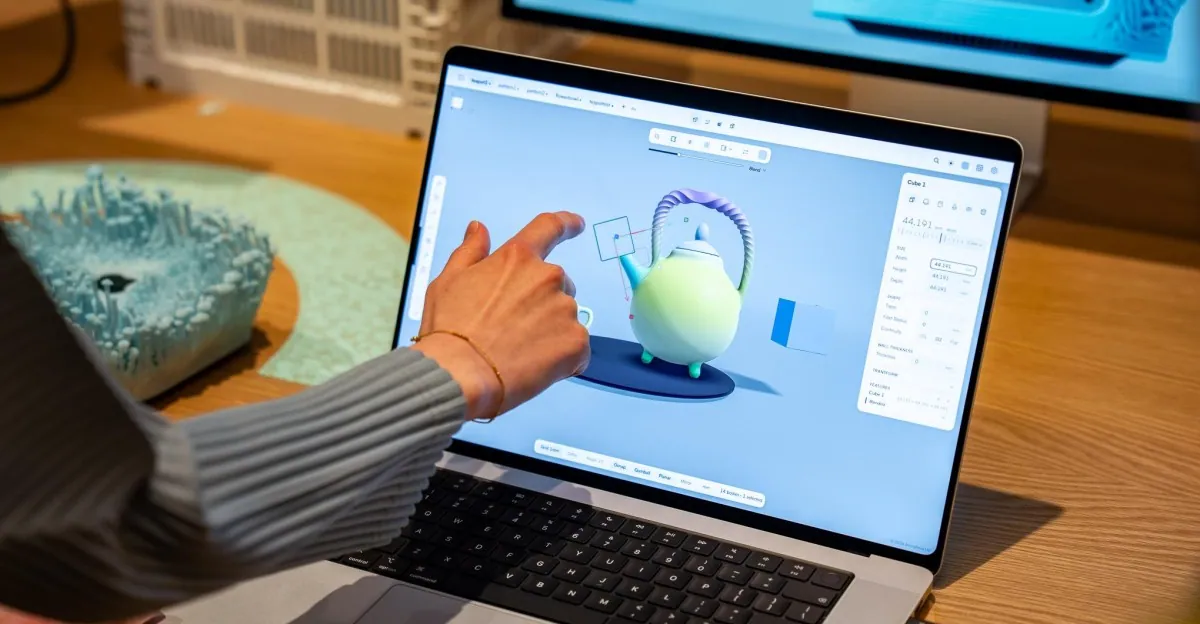
Instead, it's just a touchscreen. You can tap and swipe at the display. In macOS 27 Golden Gate, some interface elements subtly magnify or expand when touched, which The Verge describes as a nice touch but not remotely transformative. Digging into the touch settings menu, most gestures simply mirror things the trackpad already does. There's no new interaction model, no rethinking of how you'd actually use a Mac with your hands on the glass instead of the keys.
That restraint lines up with what Apple showed at its own event. The Verge sat in on briefings with professionals who'd been using the touchscreen MacBook Pro ahead of launch, and the consensus was that touch wasn't changing how they worked. They kept defaulting to keyboard and trackpad, treating the screen as a bonus rather than a new tool. When asked whether they'd want Apple Pencil support added on top, most said sure, that'd be nice too — but nobody treated it as essential. Given how long it took Apple to accept touch on a MacBook at all, Pencil support or a flip-around hinge isn't something to expect soon.
A rerun Apple sat out on purpose
The context here is Windows. Over a decade ago, Microsoft bet big on touch laptops, building an entire touch-first interface into Windows 8 and pushing a wave of convertible, flippable, foldable designs. That bet didn't pay off — Windows 8 flopped, and 2-in-1 laptops settled into being a niche category rather than the industry's new default.
Apple, by The Verge's read, essentially let that experiment play out, watched it fail to catch on in any dramatic way, and only then added touch to the MacBook Pro with modest interface tweaks layered on top. The framing: here's macOS, now you can swipe at it too.
Called boring in the piece, but also potentially the smarter move. Shipping touch now closes the chapter on Apple's long-running "no" and opens the door for the feature to eventually trickle down to more affordable machines, like the MacBook Air and a rumored Neo model, without Apple having to oversell what it does. People who want a touch-centric device still have iPads and other Apple hardware built for that. This is Apple adding touch as one more input option on a laptop that otherwise still runs on keyboard and trackpad, not restructuring the laptop around it.
The lid logo got the bigger reaction
If anything stole the spotlight from touch at Apple's event, it wasn't even the new screen tech. According to The Verge, the biggest audience reaction during Apple SVP John Ternus's presentation came when Apple brought back the illuminated Apple logo on the lid. Combined with a thinner, lighter chassis and a Dynamic Island replacing the old notch, the new MacBook Pro adds up to a laptop that feels genuinely upgraded as a whole. The Verge's assessment is blunt about where that improvement is concentrated: there's more excitement in that glowing logo than in the touchscreen it took Apple 16 years to ship.
The takeaway from the hands-on isn't that Apple fumbled the touchscreen. It's that there was never a trick to find. Apple spent over a decade framing touch on a Mac as a problem worth solving carefully, and the solution turned out to be the one everyone already knew: add a touchscreen to a laptop, keep the keyboard and trackpad doing the heavy lifting, and move on. The real test now is whether that same low-key approach to touch shows up in the cheaper Macs it's reportedly headed for next.