Apple Is Finally Building the Touchscreen Mac It Spent Years Mocking
Rumors point to an OLED, touch-enabled MacBook Pro at Apple's "Pro and Tell" event, reversing a decade of executive pushback on the idea.
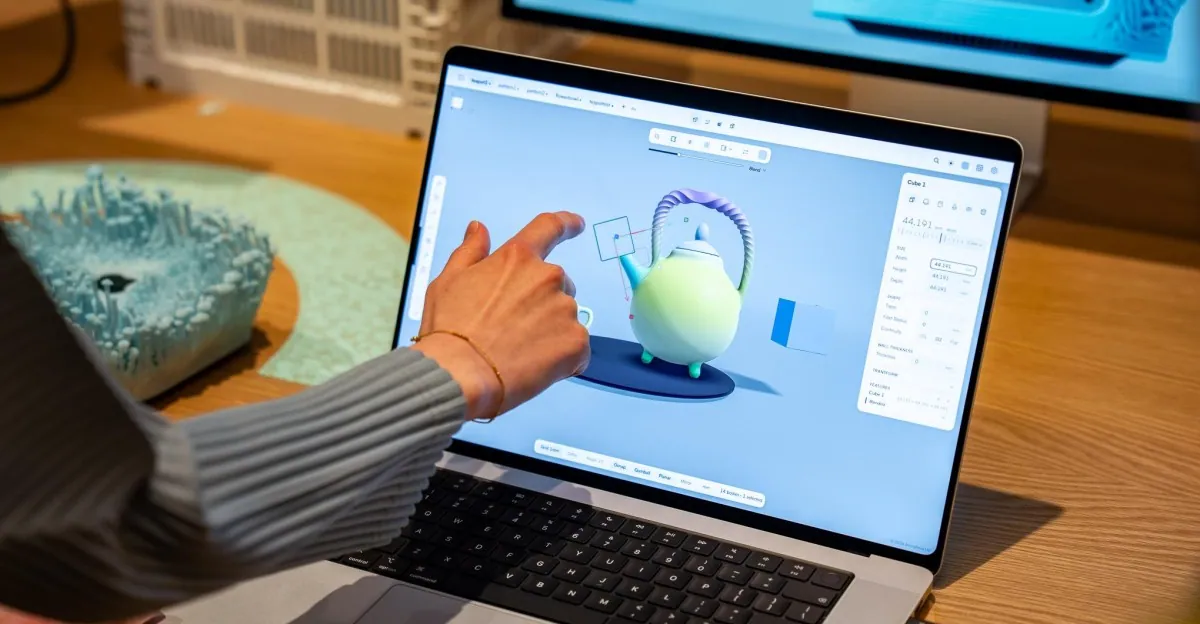
For more than a decade, Apple treated touchscreen laptops as a punchline. Steve Jobs called them "ergonomically terrible" in 2010, arguing that touch surfaces don't want to be vertical. Tim Cook later compared the idea to merging a fridge with a toaster. Now Apple is expected to announce a touchscreen MacBook Pro at its "Pro and Tell" event, according to The Verge, putting the company in the odd position of building the exact thing its own leadership spent years ridiculing.
Touchscreen laptops aren't new. PC makers have shipped them for years, with mixed results. What's notable here isn't the concept, it's that Apple finally decided its holdout was over, and the bigger question is whether it can do it in a way that feels distinctly Apple rather than just catching up.
The company's one real flirtation with touch on a Mac was the Touch Bar, the thin OLED strip that replaced the row of function keys on MacBook Pros from 2016 to 2023. It was supposed to be a dynamic, context-aware control surface. Instead, it became a cautionary tale: a non-deterministic interface that ditched reliable physical keys (including, for a stretch, the escape key) for something most users never warmed up to. Apple quietly killed it. Whatever comes next has to clear a low bar just by not repeating that mistake.
What the rumors say
According to the report, the new touch-enabled MacBook Pro is expected to use an OLED display, a shift from the mini-LED panels on current models. OLED typically delivers deeper blacks and stronger color contrast, which sounds great on paper, but it also tends to raise the price. The current 14-inch MacBook Pro with the M5 Pro chip already starts at $2,499, and adding a more expensive OLED touch panel on top of that, in what the piece calls a "RAMageddon" pricing environment, suggests this won't be a budget option.
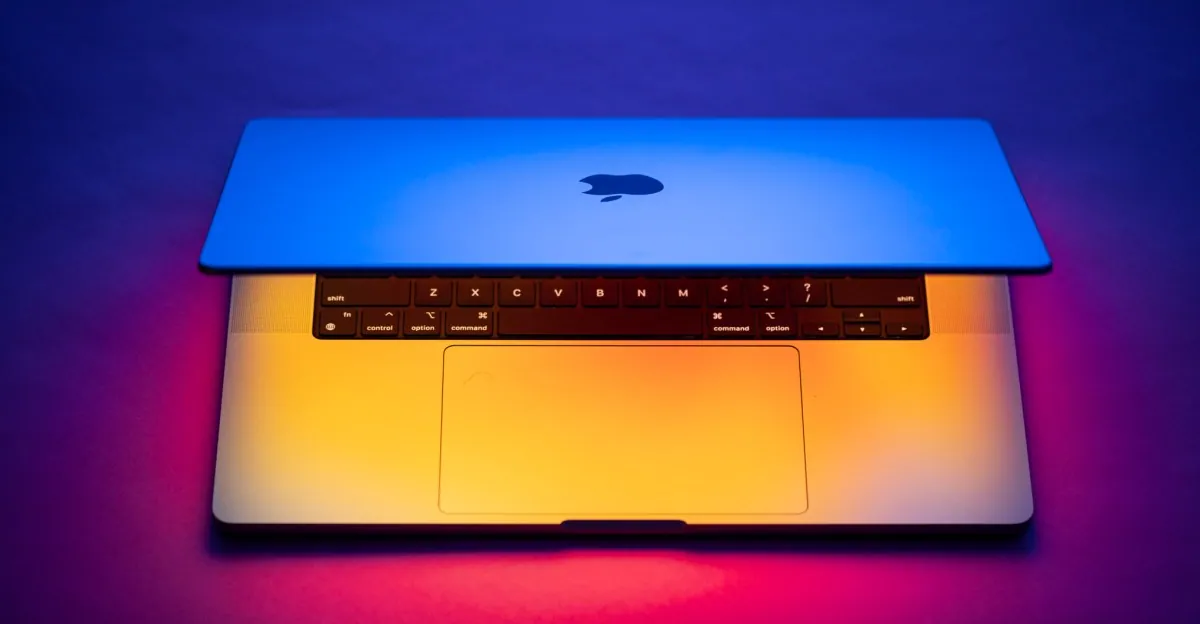
The rumored machines are expected to run on the current M5 Pro and M5 Max chips and come in the familiar 14-inch and 16-inch sizes. The screens are also said to swap the current notch for a Dynamic Island-style cutout for the webcam, mirroring the design Apple uses on iPhones. If it functions the same way, that cutout could double as a spot for touch-based shortcuts, like tucking in timer or music controls, rather than just housing a camera.
Apple is also rumored to be giving these models a thinner, lighter chassis. That's where things get complicated. The MacBook Pro line actually got thicker and heavier starting with the M1 Pro and M1 Max generation in 2021, reversing years of Apple chasing thinness at the expense of thermals and reliability, most infamously with the butterfly keyboard era. Betting on thinness again raises real questions about whether Apple can pull it off this time without repeating those performance or quality tradeoffs.
The open questions
A lot about how this will actually work remains unclear. Will it stay a standard clamshell, or will Apple build in hinge flexibility for new form factors, the way convertible 2-in-1 laptops from companies like Lenovo do? The source piece notes that a bold, flexible design would be exciting but wouldn't be surprising if Apple plays it safe with a conventional laptop shape for round one.
Apple Pencil support is another unresolved piece. It would make obvious sense for a touch-capable Mac aimed at designers and creative professionals, ideally with magnetic charging similar to how the Pencil attaches to iPads. But Pencil support or not, the expectation is that this stays a full Mac rather than becoming some hybrid iPad. Apple is reportedly introducing a modified version of macOS, referred to as macOS 27 "Golden Gate," with touch-specific enhancements built for this hardware while preserving the full desktop operating system underneath. Since Apple just refreshed its Pro and Max-chip MacBook Pros earlier this year, this touchscreen model is expected to sit alongside them as a new offshoot rather than replace the current lineup outright.
The MacBook Pro line has mostly evolved through steady chip upgrades since the M1 generation reset things in 2021. An OLED touchscreen model would be the biggest structural change to the Mac in years, and with that kind of shift comes real risk of awkward first-generation decisions, the same way Apple's iPhone Duo introduced its own share of quirks.
What Apple actually ships will answer the questions the rumor mill can't: how touch is meant to be used on a Mac, what gets sacrificed for a thinner design, and whether this becomes a genuinely new way to work or just an expensive OLED screen you can poke.