Waymo Will Stop Riding With Uber in Austin and Atlanta
Starting January 2028, riders in both cities will have to use Waymo's own app instead of hailing a robotaxi through Uber.
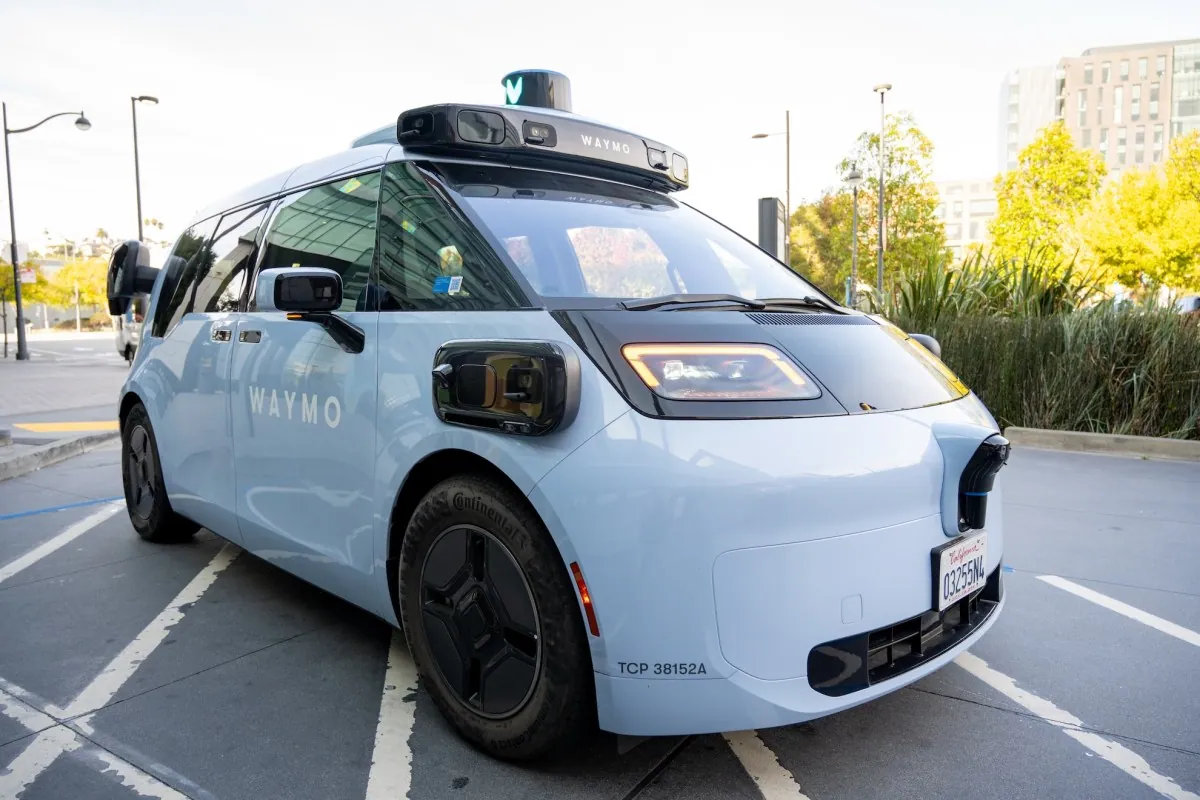
Waymo is cutting ties with Uber in two of its markets, and this time it's official. Co-CEO Tekedra Mawakana told Bloomberg News, in a report published Wednesday, that Waymo will end its partnership with Uber in Austin and Atlanta starting January 2028. After that, riders in those cities will have to book their robotaxis directly through Waymo's own app, the same way riders already do in Waymo's other markets.
The move confirms earlier reporting from the Financial Times this year, which said Waymo was looking to exit its Uber arrangement ahead of schedule. The original deal wasn't set to expire until May 2028, so this is Waymo walking away a few months early rather than just letting the contract lapse.
Mawakana explained the original logic to Bloomberg: Waymo partnered with Uber because Uber already had the scale, meaning a built-in base of riders and a familiar app that could get Waymo's self-driving cars in front of customers fast without Waymo having to build that demand from scratch. That tradeoff made sense when Waymo was still establishing itself in new cities.
But according to Mawakana, the actual rider experience under that arrangement has been uneven. She described it to Bloomberg as "a little bit of a crapshoot," pointing specifically to the fact that someone opening the Uber app has no way of knowing in advance whether they'll end up in a Waymo robotaxi or a car driven by a human. For a company trying to build trust in autonomous vehicles, that unpredictability apparently became a problem rather than a feature.
"It's important for us to have that relationship with the rider. We've gotten that feedback from the riders in those markets," Mawakana told Bloomberg.
That rider relationship is the real crux of this. Once Waymo cars are only accessible through Waymo's own app, Waymo controls the entire experience, from the booking screen to the ride itself, instead of splitting that relationship with Uber. It also gives Waymo direct access to rider data and feedback without Uber as a middleman.
Uber, for its part, framed the split differently in its statement to Bloomberg. The ride-hail company said it was Waymo's decision not to build an option into Uber's app that would let riders specifically request a robotaxi, which would have solved the unpredictability problem Mawakana described without requiring a full breakup. Uber has positioned itself as a hub for multiple autonomous vehicle partners rather than betting on any single robotaxi operator, so from its side, Waymo pulling out direct-booking functionality looks like Waymo choosing to go solo rather than Uber pushing it out.
Either way, the January 2028 date gives both companies roughly 14 months to prepare for the transition in Austin and Atlanta. It also raises the obvious question of what happens elsewhere. Waymo and Uber still have a broader relationship beyond these two cities, and nothing in Mawakana's comments suggests an immediate end to that wider partnership. But the reasoning she gave, that Waymo wants direct ownership of the rider relationship, is the kind of logic that tends to apply everywhere a company operates, not just in two specific markets.
For riders in Austin and Atlanta, the practical change is straightforward: no more opening Uber and hoping for a robotaxi. Starting in 2028, if they want one, they'll need Waymo's app instead.