The FCC Wants to Pull Already-Approved DJI Knockoff Gadgets Off US Shelves
For the first time, the agency is preparing to use a power it granted itself last year to retroactively yank approval from products already sitting in warehouses and on store pages.
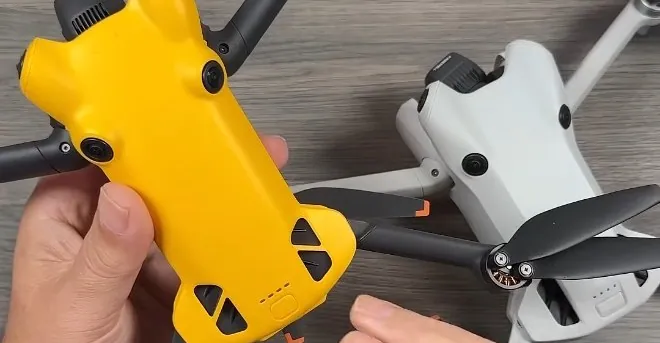
The FCC is preparing to do something it's never done before: retroactively strip approval from gadgets that are already legally on sale in the United States. The targets are a handful of companies the agency believes are acting as fronts for DJI, the Chinese drone maker that's been effectively locked out of the US market.
This isn't a hypothetical power. Back in October, the FCC quietly gave itself the authority to revoke previously granted equipment authorizations. Now it's about to test that authority for real, and the companies caught in the crosshairs make drones and cameras that, until this point, had done everything right on paper — they applied for and received FCC approval before any ban existed.
The backstory here matters. DJI has been subject to a US ban on foreign drones over national security concerns, but according to reporting from The Verge, the government has never made public any specific evidence explaining why DJI drones — or, more strangely, cameras — pose a security risk. That hasn't stopped a wave of companies from popping up that reporters and researchers suspect are simply DJI operating under new names to get around the restriction.
From fines to a full ban
Two Fridays ago, the FCC proposed $25,000 fines against eight of these suspected "front companies," including the makers of Skyrover drones and Xtra cameras. That was step one. Now the agency wants to go much further: banning these companies outright from importing, distributing, marketing, or selling their existing product lineups in the US.
The Xtra situation makes the stakes concrete. The Verge had highlighted a deal on Xtra's version of the DJI Osmo Pocket 3 just two weeks before this latest move — a camera sold with next-day shipping through Amazon. If the retroactive ban takes effect, that product would need to vanish not just from Xtra's own site but from every major retailer carrying it. Xtra could also be forced to write off whatever inventory is still sitting in fulfillment warehouses.
Products already in the hands of consumers wouldn't be affected, and none of this happens overnight. The FCC has opened a 30-day public comment period before any ban takes effect. The agency says it has "tentatively" concluded these companies are selling equipment tied to national security concerns, but insists it remains open to "specific evidence" that could change its mind.
Whether that openness means much in practice is another question. The FCC's track record on public comment periods hasn't inspired confidence — the agency was widely criticized for disregarding the flood of public input during the net neutrality fight, and it was later found to have misrepresented a supposed cyberattack tied to that same comment process. Anyone who wants to weigh in on this drone and camera ban can still file a comment through the FCC's "Express Filing" system.
In the meantime, the agency says it has "temporarily deferred the grantee codes" of the companies in question — a phrase so unusual that a former FCC official told The Verge he'd never encountered it before. The Verge is seeking clarification from the FCC on whether this means the companies are now blocked from getting any future products authorized for the US market.
Who's on the list
The companies named in the FCC's action are Cogito Tech, Fixaxo Technology, Lyno Dynamics, Skyhigh Tech, Spatial Hover, SZ Knowact, WaveGo Tech (the two companies behind Skyrover), and Xtra Technology. According to the FCC, none of them responded to its requests for information. The list also includes agricultural drone brand XAG, which did respond to the FCC at one point but reportedly didn't provide the information the agency had asked for.
Most of these companies were first flagged to the FCC by Konrad Iturbe, a researcher who spent last year tracing the corporate links behind what he identified as DJI front companies. The FCC's own filing also cites The Verge's earlier reporting on Xtra specifically.
Separately, the FCC announced today that it's cutting ties with SGS-CSTC Shenzhen, one of the Chinese testing labs that helped certify some of these products for the US market. SGS-CSTC had told the FCC it isn't under Chinese government control, arguing that CSTC — the China-based entity with a stake in the lab — only holds 15 percent ownership. But US rules for authorizing radio equipment treat 10 percent ownership or more as a controlling stake, which puts SGS-CSTC over that line regardless of its own characterization.
The FCC had given the eight targeted companies until July 20th to respond, warning on July 10th that further action was possible if they stayed silent. Whether more companies get swept into this enforcement effort, and what "deferred grantee codes" actually means for their future in the US market, remains to be seen.