Tesla Hits 10 Million Cars, but the Real Number to Watch Is 20 Million
The milestone puts Tesla halfway to one of the four production targets tied to Elon Musk's $1 trillion pay package, though the company's math still doesn't quite work out.
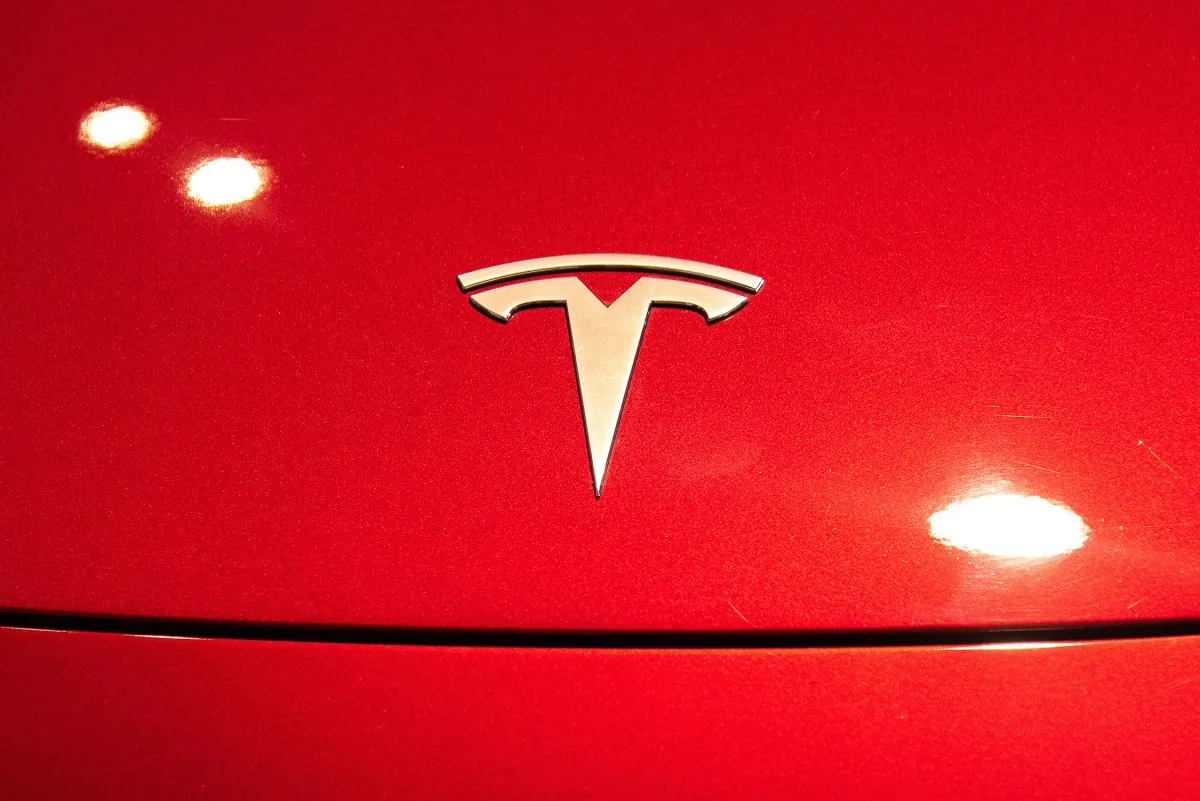
Tesla built its 10 millionth electric vehicle this week, the company announced in a social media post Thursday. It's a notable marker on its own, arriving six years after Tesla hit its one millionth vehicle. But the number matters less for the round digits than for what it means to Elon Musk's compensation deal.
Under the $1 trillion pay package shareholders approved last year, Musk has to hit four "product goals" by 2035 to unlock the full value of the award. One of them: build 20 million vehicles total. Hitting 10 million puts him exactly halfway there. Of the four benchmarks, this is the one Tesla is closest to clearing, but "closest" doesn't mean close.
The other three goals give a sense of how ambitious the package really is. Musk needs Tesla to reach 10 million active subscriptions for its Full Self-Driving software, deliver one million of its humanoid "bots," and get one million robotaxis on the road. Right now, Tesla is nowhere near any of those. The company recently reported just under 1.5 million FSD subscribers, though it's unclear whether that figure includes free trials, which wouldn't count toward the board's official target. Robots and robotaxis, meanwhile, are still in their earliest stages of development and deployment.
The vehicle count is the one area where Tesla has actual momentum behind it, built largely on the Model 3 and Model Y during a stretch of rapid growth. Even so, the company has never managed to sell 2 million vehicles in a single year. At that pace, or slower, Tesla wouldn't reach 20 million total production until sometime in the early 2030s, according to the reporting.
That's a long way from what Musk used to promise. A few years ago, he said Tesla would be producing 20 million cars annually by 2030 — a target he quietly dropped as sales growth cooled.
A shrinking home-field advantage, but a home-field problem
Tesla's competitive position in the U.S. has actually improved on paper. Traditional automakers have scaled back their EV ambitions, and would-be challengers like Rivian and Lucid Motors have struggled to build any real volume. In theory, that should leave more room for Tesla to run.
Instead, Tesla is losing ground at home. U.S. sales dropped 13% year-over-year in the second quarter, forcing the company to lean harder on newer markets — Japan, Australia, Lithuania — to find buyers. The pullback in domestic demand is happening even as domestic competition thins out, which says something about where the pressure on Tesla's growth is actually coming from.
Globally, the picture looks different. China's BYD recently passed 17 million "new energy vehicles" built and sold, though roughly half of that figure comes from hybrids rather than fully electric cars. It's the only other automaker operating at anything close to Tesla's scale, and it's still growing.
The profit problem is the bigger one
Vehicle count isn't the only number Musk needs to move. The pay package also requires Tesla's adjusted EBITDA, a measure of operating profit, to hit $400 billion by 2035. That target looks far more distant than the production goal. Tesla's adjusted EBITDA currently sits around $3.27 billion, and it has been shrinking rather than growing, squeezed by heavy discounting, the loss of regulatory credits Tesla used to sell for extra revenue, and a sharp rise in spending on newer bets like AI and robotics.
Put the two numbers side by side and the gap becomes obvious. Tesla is halfway to 20 million vehicles after more than two decades of building cars. It's a rounding error away from a $400 billion profit target that assumes the next decade looks nothing like the last one.
The 10 millionth car is a genuine achievement and a useful data point for tracking Musk's pay package against reality. But it also underscores how much of that package rests on businesses that don't exist yet at any meaningful scale — robots, robotaxis, and a profit line that would need to grow more than a hundredfold. The vehicle milestone shows what Tesla is good at. The rest of the scorecard shows how far the company still has to go to cash in on it.