SpaceX Starts Rolling Out Smaller, More Efficient Starlink V5 Dish
The new residential terminal trims size and power draw compared to the V4, though it's only reaching select areas so far.
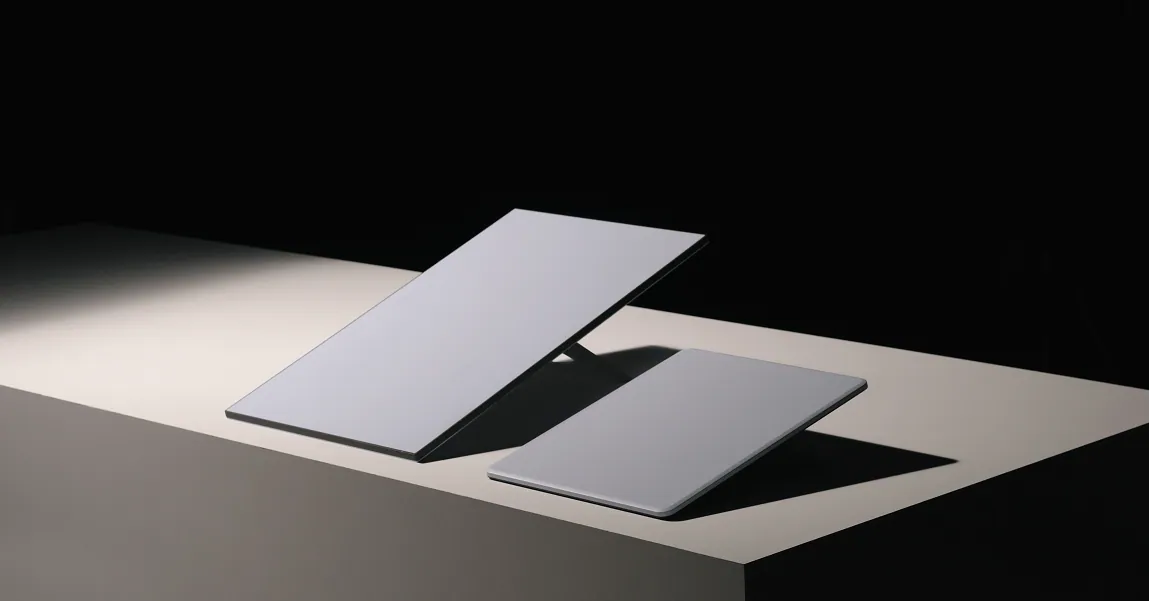
SpaceX has begun shipping its next-generation Starlink dish, the V5, to customers in "select areas," marking the first update to the company's standard residential hardware in some time. The headline changes are physical: the V5 is smaller and lighter than the outgoing V4 dish, and it draws less power to run.
That last point matters more than it might seem. Satellite dishes like this sit outside around the clock, and power efficiency affects everything from a household's electricity bill to how practical the dish is for off-grid or remote setups where energy is scarce. A lighter, smaller unit is also simpler to mount, ship, and install, which could smooth things out for both SpaceX's logistics and customers doing self-installation.
According to The Verge, availability will expand as SpaceX ramps up production to keep pace with global demand for the service. That phrasing suggests the V5 rollout is following a familiar pattern for the company: launch to a limited footprint first, then widen access as manufacturing catches up.
One thing the V5 won't do is replace Starlink's portable options. SpaceX has said the dish is not built for in-motion use, so it's not a fit for RVs, boats, or other mobile setups. Customers who need that kind of flexibility will instead have to wait for an updated version of the Starlink Mini, which SpaceX teased alongside the V5 last month. That keeps the product line split much as it has been: a stationary residential dish for fixed homes and businesses, and a separate, portable line for people who need connectivity on the move.
The Verge's comparison of the two dishes underscores that the V5's gains are about efficiency and form factor rather than a dramatic leap in capability. As with any Starlink plan, actual internet speeds aren't guaranteed. They depend on the service tier a customer signs up for, along with variables like time of day, network capacity, and local congestion, factors that have as much influence on the experience as the hardware itself.
Why the Smaller Footprint Matters
Starlink's pitch has always been about bringing broadband-speed internet to places that traditional cable and fiber don't reach, whether that's rural properties, disaster zones, or countries with limited terrestrial infrastructure. Each hardware generation has aimed at making the terminal easier to deploy at scale, and lighter, less power-hungry equipment plays directly into that goal. A dish that costs less to run and is easier to ship supports SpaceX's push to expand the service globally without proportionally increasing the burden on customers or its own supply chain.
The staged rollout, limited to select areas for now, also fits how SpaceX has historically introduced new terminals, testing supply and demand in smaller markets before scaling manufacturing to meet broader interest.
What to Watch Next
The bigger open question is the revamped Starlink Mini, which SpaceX teased at the same time as the V5 but hasn't yet released. That update will matter most to Starlink's mobile and travel-oriented customers, since the V5 explicitly isn't designed for in-motion use. Until that ships, anyone needing connectivity on the road or water will be working with the current Mini hardware rather than whatever improvements SpaceX has planned.
For now, the V5 represents an incremental but practical upgrade for Starlink's core residential customer base, smaller, lighter, and more power-efficient, with wider availability expected as SpaceX scales up production to meet demand.