Samsung's New Squat Foldable Is a Surprisingly Good Fit — For a Price
The Z Fold 8 trades a telephoto lens and $100 off for a wider, shorter shape that Samsung says is built for watching, not multitasking.
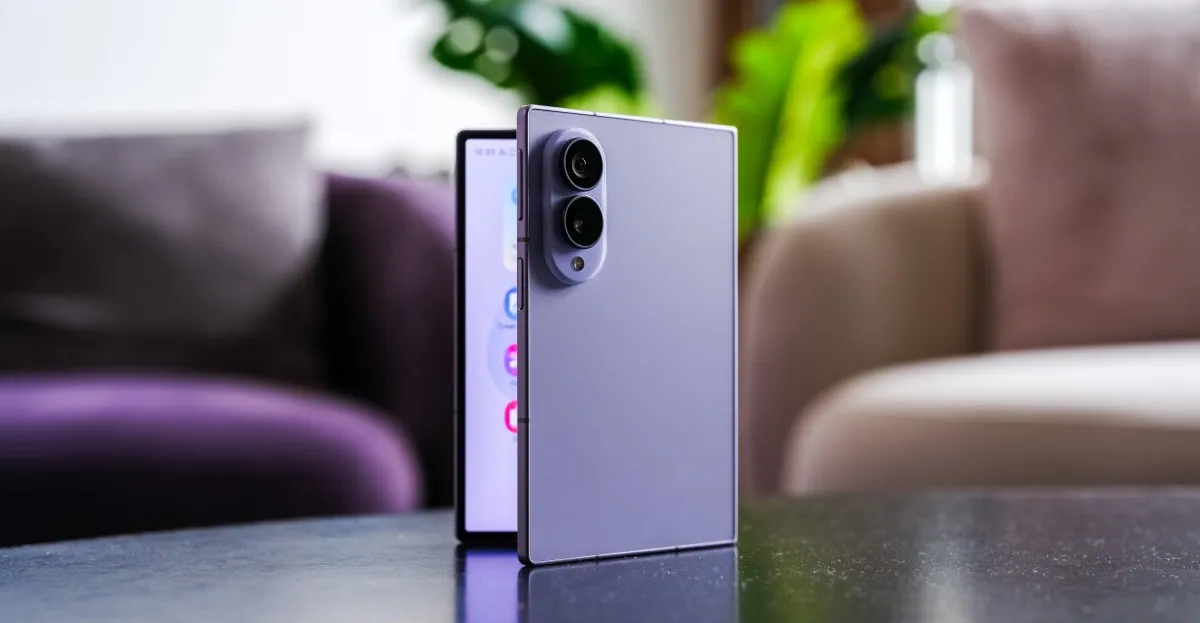
Samsung just did something it hasn't done in years: it changed the actual shape of its main foldable phone. The Z Fold 8 is wider and shorter than any Z Fold that came before it, landing in a size zone somewhere between the company's traditional Fold and Flip lines. Hold one and it feels roughly like gripping a passport, according to hands-on impressions from The Verge, which tried the device ahead of launch.
That's a deliberate design swing, not a subtle tweak. Last year's Z Fold 7 was about making the phone dramatically thinner. This year, Samsung reshaped the whole footprint, and the early verdict is that it works better in person than it does in press photos. In pictures, the phone reads as squat and a little awkward. Picked up and used, it apparently feels natural almost immediately.
Two Folds, two audiences
Here's where Samsung's lineup gets genuinely confusing. The Z Fold 8 is technically the successor to last year's Z Fold 7, but the phone that actually continues that design lineage is the Z Fold 8 Ultra. That model keeps the familiar squarish inner display and the same triple rear camera setup Fold fans expect. It also costs $2,099.99, a $100 increase over the Fold 7, and the "Ultra" branding looks a lot like cover for that price hike.
The regular Z Fold 8, meanwhile, is the odd one out. With its wider screen and a trimmed-down camera setup, it feels less like a direct upgrade and more like a spinoff model. It's also $100 cheaper than the Fold 7 was, priced at $1,899.99.
Samsung isn't inventing this wider shape out of nowhere. Huawei's Pura X Max, launched in April, already uses a similar form factor, though it's China-only. Apple is widely rumored to be adopting a comparable passport-style shape for its first foldable iPhone, expected in September. And the concept itself isn't new — the Fold 8's width closely matches Google's original Pixel Fold, though the new Samsung phone is notably shorter.
The wider foldable format actually had a run in the industry before and fell out of favor, which is part of why skepticism is warranted here. But Samsung is positioning its two Fold 8 models as serving different purposes entirely. The Ultra, tall and narrow closed, roughly square when unfolded, is pitched as a multitasking machine, giving users the equivalent of two 6.5-inch phone screens side by side for split-screen work. The standard Z Fold 8, with its 4:3 aspect ratio, is built around consumption: video, ebooks, that kind of thing. At 201 grams, it's light enough to use comfortably one-handed.
Samsung's own marketing language, somewhat unavoidably, calls this "joy-maxxing" for the Fold 8 versus "power-maxxing" for the Ultra.
What the wider screen actually does
A 4:3 display still means letterboxing on most video content, since it isn't widescreen. But according to the hands-on account, opening the Z Fold 8 actually increases usable video real estate in a way Samsung's previous, boxier Fold displays never quite managed — those older models weren't meaningfully wider than just rotating a regular phone sideways. The wider aspect ratio should also suit gaming better. The overall impression leans closer to using a small tablet than a traditional foldable phone.
Closed, the phone uses a 10:16 cover display, and the width there reportedly registers less than expected in daily use — it took surprisingly little time to adjust. The shorter overall height turns out to be a plus for one-handed use, making it easier to reach across the screen than on a large slab phone like the Galaxy S26 Ultra. The open question is how a case might change that comfort level, and how well third-party apps adapt to the shorter screen. Samsung says Instagram has already built in optimizations for the new shape.
Specs that matter beyond the shape
Under the hood, the Z Fold 8 runs a Qualcomm Snapdragon 8 Elite Gen 5 chipset co-optimized with Samsung, putting it in line with other current flagships on raw power. The 120Hz OLED main display matches the Fold 8 Ultra's specs, including a peak brightness of 3,000 nits and a new anti-reflective coating aimed at cutting glare. Software-wise, it gets the same AI features as the Ultra, including the official rollout of Gemini Intelligence task automation and a proactive feature called Now Nudge, which surfaces cross-app suggestions like adding a calendar event or drafting an email.
Samsung has also finally adopted silicon-carbon batteries, catching up to Chinese rivals that made this switch earlier. These batteries mix a small amount of silicon into the graphite anode, allowing more capacity in less space, but the silicon is chemically less stable, raising concerns about faster capacity loss over time. The Fold 8's battery comes in at 4,800mAh, a modest bump from the Fold 7's 4,400mAh and well short of Honor's Magic V6, which packs 6,660mAh.
Samsung's caution here tracks with its history: the company is still working to move past the 2016 Galaxy Note 7 recall, triggered by battery safety failures. BD Yang, executive vice president of Samsung's core component technology team, told The Verge that "silicon-carbon cells must be carefully managed," stressing the company's focus on controlling reactivity, swelling, and long-term stability rather than chasing energy density for its own sake. Yang described the Fold 8's battery as an "end-to-end improvement" delivering higher capacity alongside "dependable performance."
The camera downgrade
The most obvious compromise is on the back of the phone. The Z Fold 8 drops to two rear cameras, with no telephoto lens at all — a first for a modern Z Fold. Both the main and ultrawide lenses use 50-megapixel sensors, which is an upgrade for the ultrawide but potentially a step down for the main camera compared to the Fold 7's 200-megapixel sensor. Full details on sensor size and aperture haven't been shared yet, so the real picture quality comparison will have to wait for deeper testing. Samsung's foldable cameras were already behind its top slab phones, and this change doesn't help.
The phone also lags rivals in a couple of other respects. All three new Samsung foldables top out at IP48 for dust and water resistance, falling short of the fuller dust protection on Google's Pixel 10 Pro Fold. Samsung says it reworked the hinge and display stack with a new titanium-alloy film and a titanium support plate, but the crease is still more noticeable than on Oppo's Find N6. New magnets do make the phone easier to open one-handed and give it a satisfying snap when closing, though Samsung still hasn't added the internal magnets needed for full Qi2 wireless charging support.
The bottom line
After roughly an hour with the device, the overall reaction leans positive, with some real reservations. There's no clear way yet to replace a work laptop with this shape of foldable, but it seems plausible as a tablet replacement for lighter use, like in-flight entertainment, especially with the added battery capacity.
Still, $1,900 remains a steep price for a phone that just lost its telephoto camera, and this is an unproven design format that could either define the next wave of foldables — particularly if Apple follows suit — or fizzle the way last year's Galaxy S25 Edge did with a muted market response. An hour of hands-on time isn't enough to settle that question. But the early impression is that Samsung may have actually landed on something here.