Microsoft's Next Xbox Could Cost Up to $1,800, Internal Projections Reportedly Show
A new report says Project Helix hardware is running into the same memory and storage crunch squeezing the entire tech industry, and Microsoft's usual subsidy playbook may not be enough to fix it.
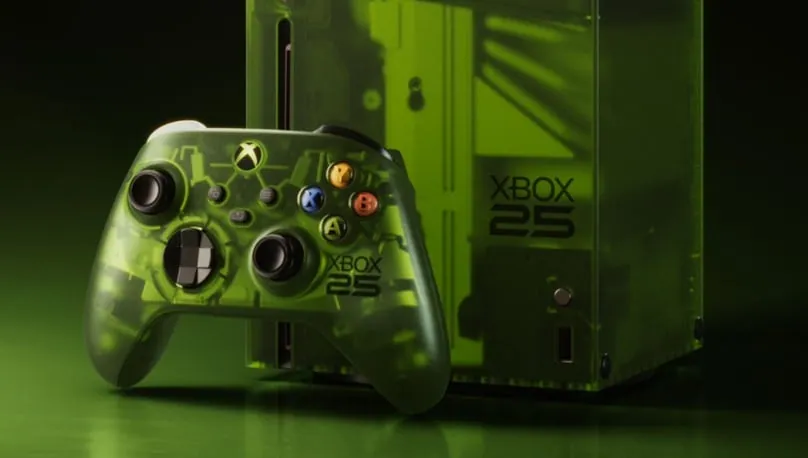
Microsoft has spent years insisting that console gaming still matters to Xbox's future. Project Helix, the codename for its next-generation hardware, is supposed to prove it. But a new report from Fortune suggests that hardware could carry a price tag nobody who grew up buying consoles is prepared for: somewhere between $1,200 and $1,800, unless Microsoft steps in to subsidize the cost.
That's according to internal projections cited in the Fortune report, which frames the pricing as a direct consequence of the AI boom's grip on global memory and storage supply. Component costs that used to be predictable are now being squeezed by the same data center buildout fueling the AI race, and gaming hardware is caught in the crossfire.
Xbox CEO Asha Sharma has reportedly flagged affordability as one of the central challenges facing Project Helix. That's a notable admission from inside the company, not just outside speculation. The pressure is already visible in the current generation: Microsoft has had trouble keeping Xbox Series X and Series S consoles in stock even after hiking prices repeatedly over the past year. If the existing hardware is already strained, a next-gen machine built on even pricier components is a harder problem, not an easier one.
Why subsidies might not save the day
Console makers have never sold hardware at full profit margin. The traditional model, especially for Microsoft, is to sell the box at a loss and make the money back over the life of the console through game sales, subscriptions, and storefront commissions. Former Xbox boss Phil Spencer described this explicitly back in 2022, saying Microsoft typically subsidizes each console purchase by somewhere between $100 and $200, expecting to recoup it later through accessories and its storefront.
That math works fine when a console costs $500 and the subsidy shaves off a meaningful chunk. It works very differently when the unsubsidized price might be $1,800. Shaving $200 off that number still leaves a device priced like a high-end laptop, not a living room gaming box. The report notes it's unclear whether continuing to subsidize at that level would meaningfully change the consumer price at all.
There's also a structural problem working against Xbox specifically. The subsidy model depends on a platform holder recouping losses through third-party revenue, something Sony has done extremely well, pulling in hundreds of millions of dollars in commissions on games it didn't even develop. That strategy only works if your install base keeps growing. Xbox's hasn't done that this generation, which means the long-term payoff that's supposed to justify eating a loss on hardware is less certain than it's been in past console cycles.
Microsoft isn't alone in facing this squeeze. The report notes Sony's PS6 is reportedly dealing with similar pricing pressure, suggesting this isn't a Microsoft-specific stumble but an industry-wide problem tied to the broader memory and storage shortage. And according to RAM manufacturers cited in the report, component prices are expected to keep climbing through 2027 and 2028, meaning the problem likely gets worse before it gets better.
The irony sitting in the background
There's a strange wrinkle in all of this: even as memory and storage prices spike due to AI infrastructure demand, some of the finished server racks built for that very data center expansion are reportedly sitting idle. The AI buildout is hoovering up components at a pace that's outstripping even its own immediate use, and traditional consumer hardware like game consoles is left competing for scraps of the same supply chain.
None of this means Project Helix is guaranteed to launch at $1,800. These are internal projections, not a final price, and Microsoft has plenty of runway to adjust its subsidy strategy, component sourcing, or launch timing before anything ships. But the number itself is a signal of how different the economics of the next console generation could look. A living room gaming device priced like a premium laptop would be uncharted territory for the industry, and it raises real questions about who such a console is actually for if the price lands anywhere near the high end of that range.
What happens next depends heavily on forces outside Xbox's control: how long the memory shortage lasts, how aggressive Microsoft is willing to be about absorbing losses, and whether rivals like Sony end up facing the same squeeze closely enough that the market resets expectations for everyone at once.