Snap's First AR Glasses, Specs, Are Up for Preorder at $2,195
The Snapchat maker is betting that a waveguide display, dual processors, and years of AR research can convince consumers to wear a computer on their face.

Snap Inc. has opened preorders for Specs, its first consumer augmented reality glasses, with shipping planned for fall 2026 in the United States, United Kingdom, and France. Reserving a pair costs $2,195, which includes a $200 refundable deposit.
That's a steep price for eyewear, even eyewear with a computer built in. But Specs is aiming squarely at the gap between novelty smart glasses and the bulkier, more expensive headsets that have defined AR and VR so far. Snap is positioning it as something you could plausibly wear all day, not just strap on for a demo.
What's actually inside
The frame is built from Swiss TR90 thermoplastic, a lightweight and durable material, and comes in two sizes: 47mm and 52mm. The smaller version weighs 4.6 ounces. That's heavier than a normal pair of glasses, but notably light given what's packed inside: advanced optics and what amounts to a full wearable computer.
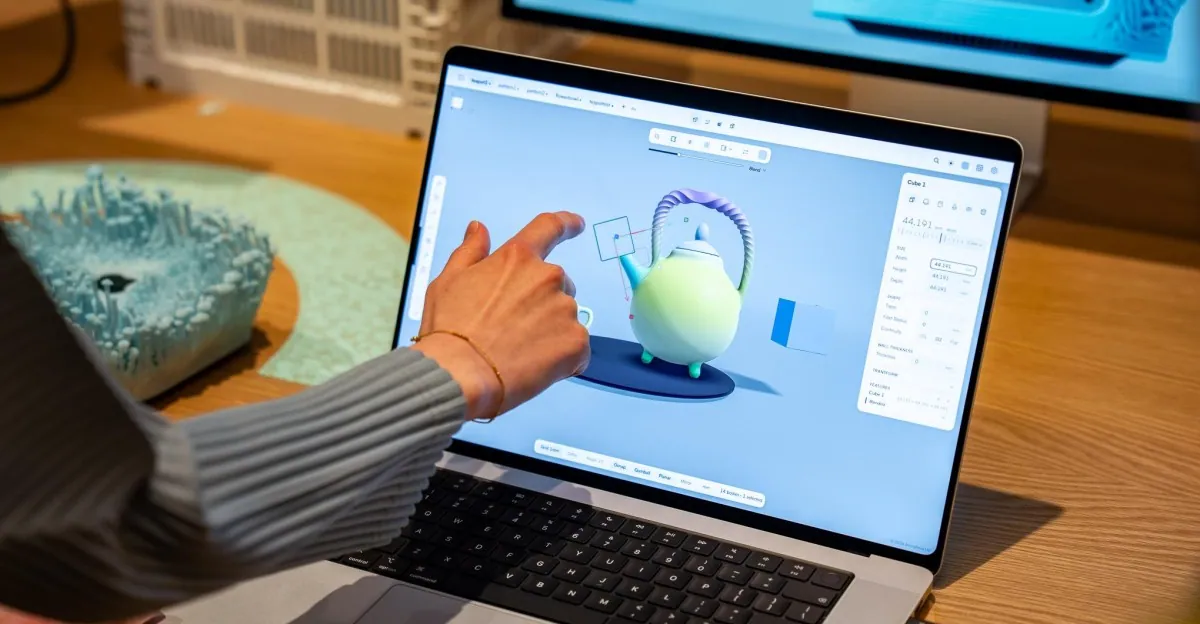
Rather than a traditional powered display, Specs relies on transparent waveguide technology, a method of routing light through the lens material so that UI elements appear layered onto the world in front of you, without blocking your view of it. When you want more than floating icons and notifications, Specs can shift into a full-color immersive mode, projecting a display with a 51-degree field of view — Snap describes that as comparable to watching a 115-inch screen from about ten feet away.
The lenses are also electrochromatic, meaning they tint automatically depending on ambient light, and they're compatible with prescription lenses, which addresses one of the more obvious barriers to mainstream adoption of any face-worn computer.
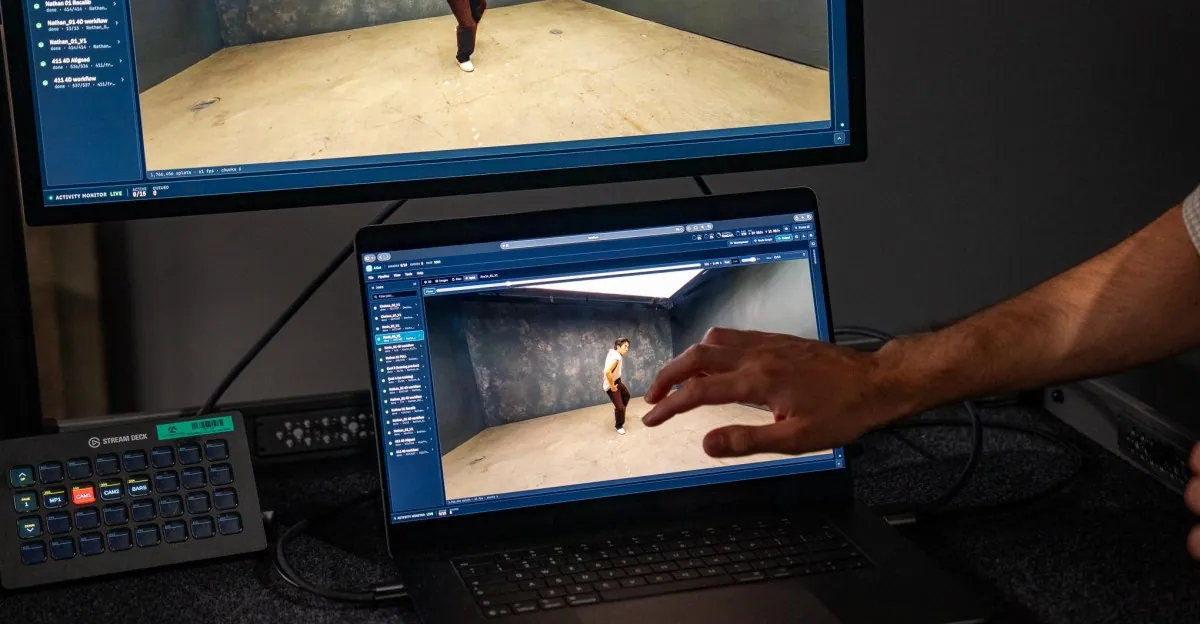
Running the show are dual Snapdragon processors paired with Snap's own operating system, Snap OS 2.0. A set of onboard infrared and RGB cameras and sensors feed data into the system, letting Specs apply computer vision and contextual awareness to understand what's happening around the wearer and surface relevant information or AI assistance in real time. Snap is leaning on its own history here: because the company already runs an established AR ecosystem through its Lens platform, Specs isn't launching cold. It's built on top of years of existing developer and creator tools.
Battery life is rated at roughly four hours under mixed use, without a cable tying you to a phone or PC. A charging case extends that to about 20 hours total, similar to how wireless earbuds handle the same tradeoff between a light, all-day device and a battery big enough to last all day.
Who this is actually for
At $2,195, Specs isn't a casual purchase, and Snap isn't pretending otherwise. According to the reporting, the pitch is aimed at a specific set of buyers: content creators looking for a new production tool, professionals who want spatial productivity features, travelers who'd rather leave a laptop at home, and early adopters simply drawn to AI-powered wearables.
That's a narrower audience than "everyone who wears glasses," and the price tag makes that narrowing deliberate rather than accidental. Snap is treating Specs less like a mass-market gadget launch and more like a first real step toward AR glasses that people might actually wear as their primary computing device, rather than an occasional headset reserved for specific tasks.
Why it matters
Smart glasses have had a rocky history of overpromising and underdelivering, from early, awkward prototypes to products that ended up as niche curiosities. Snap's approach with Specs tries to sidestep that by combining things that usually get traded off against each other: an untethered, all-day battery format, prescription compatibility, a lightweight frame, and a display system sophisticated enough to render a full immersive screen rather than just basic overlays.
Whether $2,195 buyers materialize in meaningful numbers won't be clear until Specs actually ships next fall. But the preorder window itself is the real signal here: Snap, a company that has spent years building out AR software and its Lens ecosystem, is now putting real hardware and a real price behind the bet that consumers are ready to wear that technology on their face every day, not just play with it on their phone.