Nintendo Will Pull the Original Switch From European Shelves in 2027
The move rides alongside a wave of battery-related hardware updates forced by new EU regulations, including a revised Switch 2.
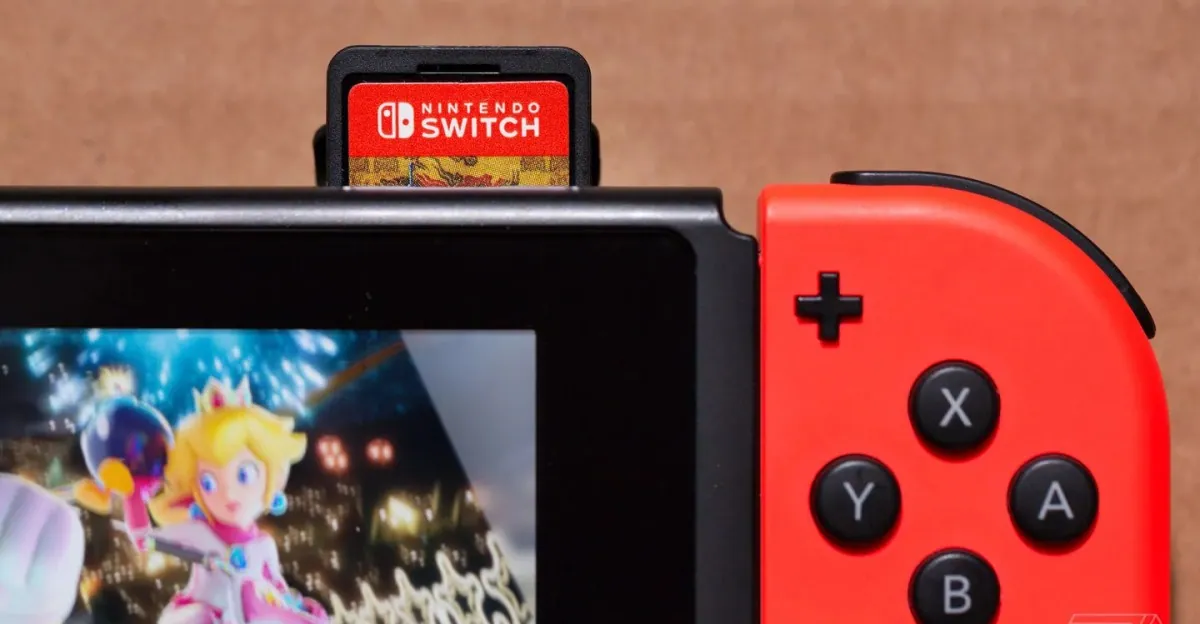
Nintendo has set an end date for the console that made it a portable-gaming juggernaut all over again. According to an updated FAQ about European hardware changes, Nintendo will stop selling every version of the original Switch — the base model, the Switch Lite, and the Switch OLED — to retailers across the continent starting in mid-February 2027. Sales through Nintendo's own online store will stop at the same time.
That timing isn't arbitrary. It lands almost exactly ten years after the original Switch launched in March 2017, and it lines up with a new European Union requirement that consumer electronics ship with user-replaceable batteries. Rather than retrofit a decade-old device to meet that rule, Nintendo is simply retiring it in that market.
The bigger story buried in the same announcement is what's happening to the Switch 2. Nintendo confirmed it will roll out an updated version of its current flagship console with a user-replaceable battery, part of a broader hardware refresh hitting "a rolling basis" starting this summer, ahead of the EU regulation's February 18th, 2027 effective date. The company was direct about what customers should expect from the change: "There is no difference in functionality between current products and revised products containing user-replaceable batteries," Nintendo said.
The Switch 2 revision is expected to begin shipping this fall, but it's not the only hardware getting the treatment. Joy-Con controllers, Joy-Con 2, the Switch 2 Pro Controller, and the Switch versions of the N64 and GameCube controllers are all due for updated editions with swappable batteries as well. Nintendo cautioned that the rollout won't be uniform everywhere, noting that "due to a variety of factors, revised products may not become available in all European countries simultaneously."
Why user-replaceable batteries, and why now
The EU has been tightening rules around batteries in consumer devices for a while, part of a push to cut down on electronic waste and make it easier for people to repair gadgets instead of tossing them. A sealed-in battery that degrades over years often means the whole device gets replaced rather than repaired. Requiring swappable batteries is meant to extend the useful life of hardware and give consumers (and independent repair shops) a straightforward fix instead of a trip to the landfill.
For Nintendo, that regulation creates an obvious problem with the original Switch: it was never designed with a user-replaceable battery, and reengineering a nearly decade-old product line to comply likely isn't worth the effort when the Switch 2 already exists as its successor. Discontinuing the older hardware in Europe sidesteps the compliance question entirely.
What happens to the games
The wrinkle here is that the original Switch isn't some legacy device Nintendo has quietly moved on from — it's still getting first-party support. The Verge points out that titles like Rhythm Heaven Grove and Tomodachi Life: Living the Dream are still coming to the platform. That makes the 2027 cutoff notable: Nintendo is ending retail availability of the hardware in Europe while continuing to develop games for it, at least for now.
It's also worth being clear about what this announcement does and doesn't cover. This is specifically about Europe. Nintendo hasn't said anything about pulling the original Switch from shelves in the US or other regions, and the source notes that its fate elsewhere remains unclear. Given how EU-specific the battery rule is, there's no particular reason to expect an identical move outside Europe on the same timeline — but Nintendo hasn't ruled it out either, because it simply hasn't addressed it.
The bigger picture
Taken together, the announcement paints a picture of Nintendo methodically updating its entire current hardware ecosystem — consoles and controllers alike — to meet a regulatory deadline that's now less than a year and a half away, while using that same deadline as a natural cutoff point to finally sunset the original Switch in at least one major market. The original Switch reshaped Nintendo's fortunes after the Wii U stumbled, and it's remained on shelves alongside its successor since the Switch 2 launched. A firm discontinuation date in Europe suggests Nintendo is comfortable letting that overlap end, at least on that continent, even as it keeps making games for the older machine.
What to watch now is whether Nintendo extends the same discontinuation timeline to other regions, and how quickly the revised, battery-swappable Switch 2 and its accessories actually reach store shelves once the rollout begins this summer.