Nintendo Redesigns Switch 2 for Europe to Meet New Battery Repair Law
The console will gain 14 grams so users can finally swap out their own batteries, while Nintendo quietly retires the original Switch from European shelves.
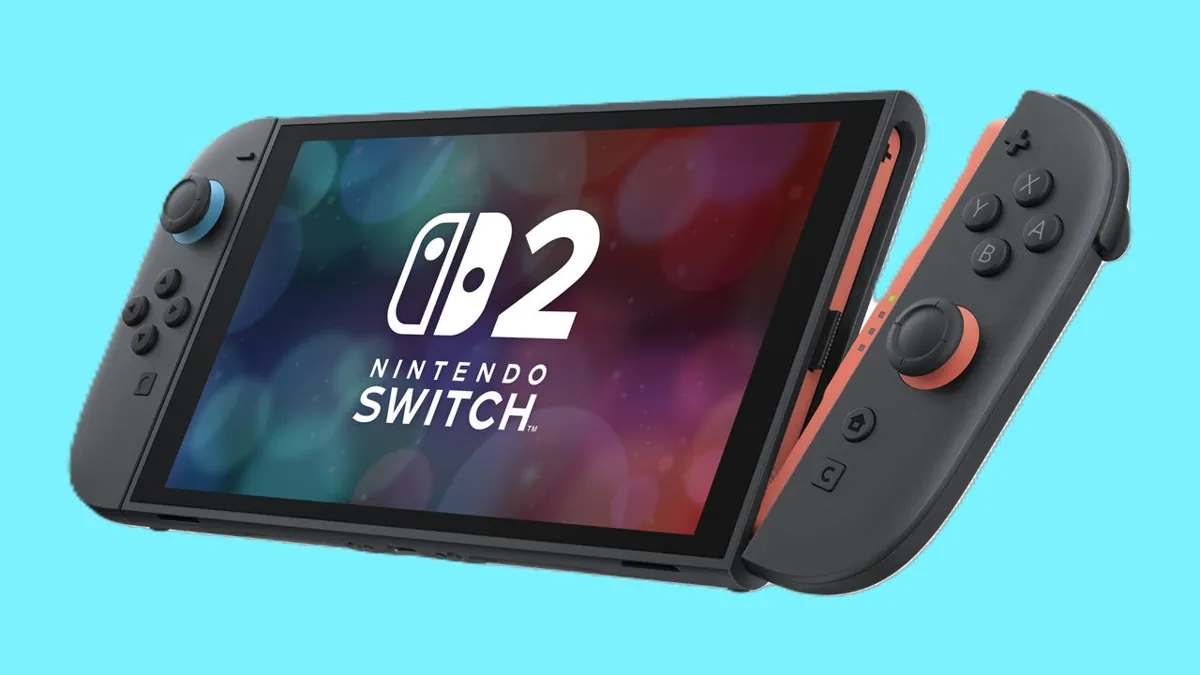
Nintendo is reworking the Switch 2 for European buyers, and the console is about to get a little heavier so it can get a lot more repairable. Starting this fall, Switch 2 units sold in Europe will ship with user-replaceable batteries, a change driven not by consumer demand but by regulation: new European Union rules require that batteries in electrical equipment be swappable by the people who own them, rather than sealed inside for good.
The tradeoff is weight. Nintendo says the redesigned battery is actually 1% smaller in capacity, but the mechanism that makes it replaceable adds bulk to the console and its attached Joy-Con 2 controllers. A Switch 2 with controllers attached will go from 534 grams to 548 grams. Take the controllers off, and it climbs from 401 grams to 411 grams. It's a modest increase, but a real one, and a rare case of a tech company adding grams instead of shaving them off in the name of consumer protection law rather than design.
The changes don't stop at the console itself. Switch 1 Joy-Con controllers get the new replaceable-battery treatment first, arriving this summer with no change to capacity or weight. Switch 2 Joy-Con sold as standalone accessories will follow this winter. Nintendo's Switch 2 Pro Controller is also getting an overhaul, and in that case the battery shrinks more dramatically, down 16% in size, though the controller itself ends up 7 grams lighter overall.
Even Nintendo's retro-styled controllers are affected. Come early 2027, the Switch's N64-style controller will be 1 gram heavier, and the Switch 2's GameCube-style controller will pick up 5 grams. It's a reminder of just how far this legislation reaches: not just flagship hardware, but the nostalgia accessories built to evoke 25-year-old controllers.
Why the EU is forcing this
The regulation behind all this is aimed at reducing electronic waste. The logic is straightforward: if a battery degrades but can't be replaced, the whole device often gets tossed and replaced, controller included. By mandating replaceable batteries, the EU wants gadgets to last longer without forcing owners to buy new hardware or ship broken accessories back to the manufacturer for a repair. Nintendo says it will sell battery replacement kits for each affected product through the Nintendo Store in Europe, though timing details for those kits haven't been laid out yet.
Nintendo, for its part, is framing this purely as a compliance update rather than a hardware refresh. In a blog post, the company said:
"There is no difference in functionality between current products and revised products containing user-replaceable batteries."
The rollout will happen in stages. The first updated products are expected this summer, with more following in autumn, winter, and into early 2027, though Nintendo cautions that availability could vary by country and won't necessarily hit all of Europe at once.
No Switch 1 update in Europe
One notable decision buried in this announcement: Nintendo isn't bothering to redesign the original Switch for the European market at all. Instead, the aging console will simply be pulled from sale in the region. Given the Switch 2's aggressive rollout and the original console's age, this reads less like a snub and more like Nintendo deciding it isn't worth engineering a battery fix for hardware it's already phasing out.
Worth noting: this shakeup is specific to Europe. Nintendo already sells a distinct version of the Switch 2 in Japan, a cheaper, Japanese-language-only model that's region-locked to Japanese games and the Japanese eShop. But that version's physical design matches the international console. The battery changes detailed here are a separate, Europe-specific hardware revision driven entirely by local law, not a global redesign.
For shoppers, the practical upshot is this: if you buy a Switch 2 in Europe from this fall onward, expect a console that looks and functions identically to the current model but weighs slightly more and, crucially, won't force you into a repair shop or a full replacement once the battery starts to wear out. It's a small physical tradeoff for a meaningful gain in the hardware's long-term lifespan, and a preview of how EU right-to-repair rules are starting to reshape gadgets well beyond phones and laptops.