Microsoft Brings Original Xbox Games to PC for the First Time
A new "Backward Compatibility on PC" program launches with four classic titles, as Xbox works to smooth things over after major layoffs.
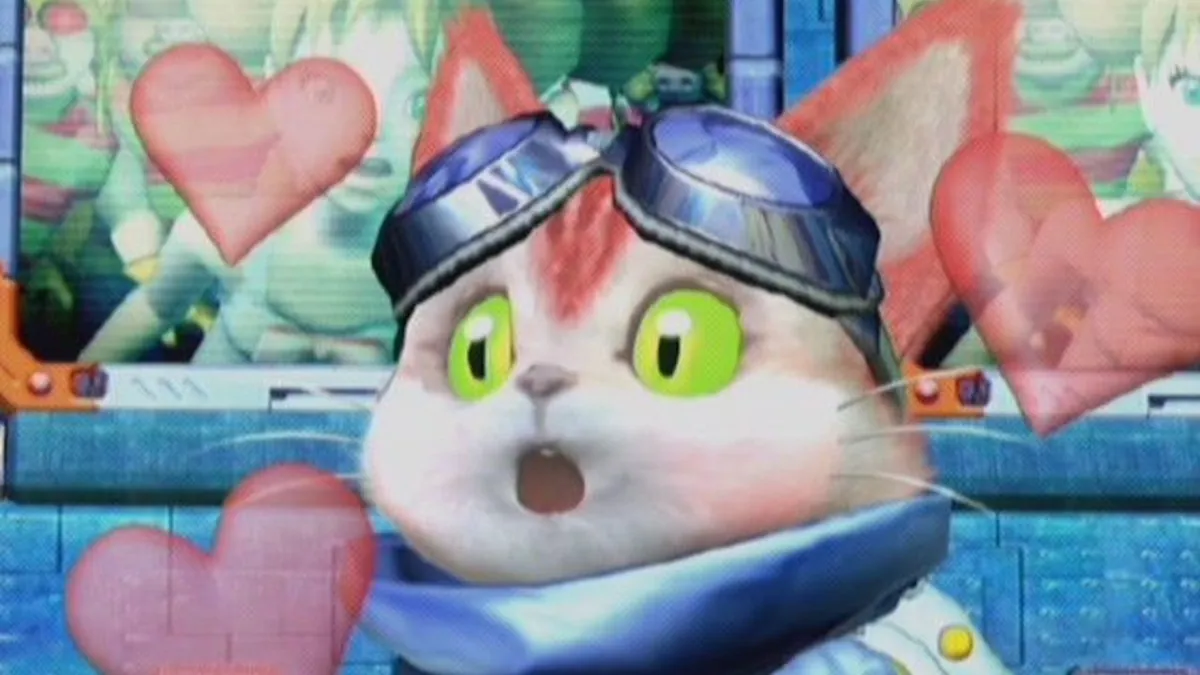
Microsoft is finally letting original Xbox games run natively on PC, launching a new initiative called Xbox Backward Compatibility on PC. It's the first time games exclusive to the console generation that debuted in 2001 have officially made the jump to Windows machines and compatible handhelds.
The rollout comes with four titles Microsoft is calling "classic original XBOX games." All four are now purchasable on PC and included with every tier of Game Pass. If you already own a license for one of them on console, that license carries over to PC automatically, no repurchase required.
The timing isn't incidental. This launch follows closely on the heels of Xbox's big Fallout news dump last week, part of what looks like a broader push to generate positive headlines after the company laid off thousands of employees in recent weeks. Bringing back beloved old games is an easy way to win goodwill from a fanbase that's been rattled by the cuts.
Beyond simply running on modern hardware, the PC versions come with upgrades console originals never had: customizable graphics settings and adjustable language and audio options. Xbox vice president of next generation Jason Ronald framed the launch as just the start. "This marks the beginning of a broader effort to preserve Xbox games from the past and bring them to PC over time," he said.
What's actually running under the hood
One question Microsoft hasn't answered yet is whether these are true native PC ports or emulated versions of the original Xbox software. It's a distinction that mostly matters to preservationists and technical purists, since the end result for most players will look and feel the same either way. Emulation is the more likely bet given the age of the original codebases, but PC Gamer says it has reached out to Xbox for clarification and hasn't gotten a definitive answer yet.
Whatever's happening under the hood, don't expect these games to run on hardware anywhere close to the original console. Microsoft's published minimum requirements call for an Nvidia GTX 950, AMD Radeon RX 550, or Intel UHD 770 GPU, at least a quad-core CPU such as an Intel Core i3-8100 or AMD Ryzen 3 1200, 8GB of RAM, and Windows 11. The recommended specs step up considerably, with GPUs like the Nvidia GTX 1070 Ti or Intel Arc A770, six-core CPUs such as the Intel Core i5-10400 or AMD Ryzen 5 3600, 8GB of dedicated VRAM, and DirectX 12 support.
A modest start, with bigger questions attached
As a first batch of games, this lineup isn't likely to generate huge excitement on its own, and reaction to the initiative has been mixed. There's also a fair amount of skepticism about how meaningful Microsoft's "preservation" framing really is. Tying old games to a digital storefront and a live-service platform like Game Pass isn't the same as true ownership or archival preservation, particularly given that a community-built emulator for the original Xbox already supports roughly 80 percent of that console's game library without any corporate involvement.
There's also little reason to expect this program to be a significant revenue driver for Microsoft. What it does line up with is the "more exclusives" strategy associated with current Xbox CEO Asha Sharma. And, notably, it echoes sentiments expressed by her predecessor, Phil Spencer, who before departing had spoken publicly about the industry's risk of losing access to its own history and voiced support for bringing older games to new audiences.
For now, the program is a small but symbolic opening move. The real test will be which games Microsoft chooses to bring over next, and whether "over time," as Ronald put it, turns into a steady stream of revivals or just a handful of nostalgia plays timed to distract from a rough stretch for the company.