Meta Says Multiple New VR Headsets Are Coming, Despite Studio Closures and a Memory Chip Squeeze
CTO Andrew Bosworth insists Meta hasn't given up on VR, even as rising memory prices threaten to make "next-generation" hardware painfully expensive.
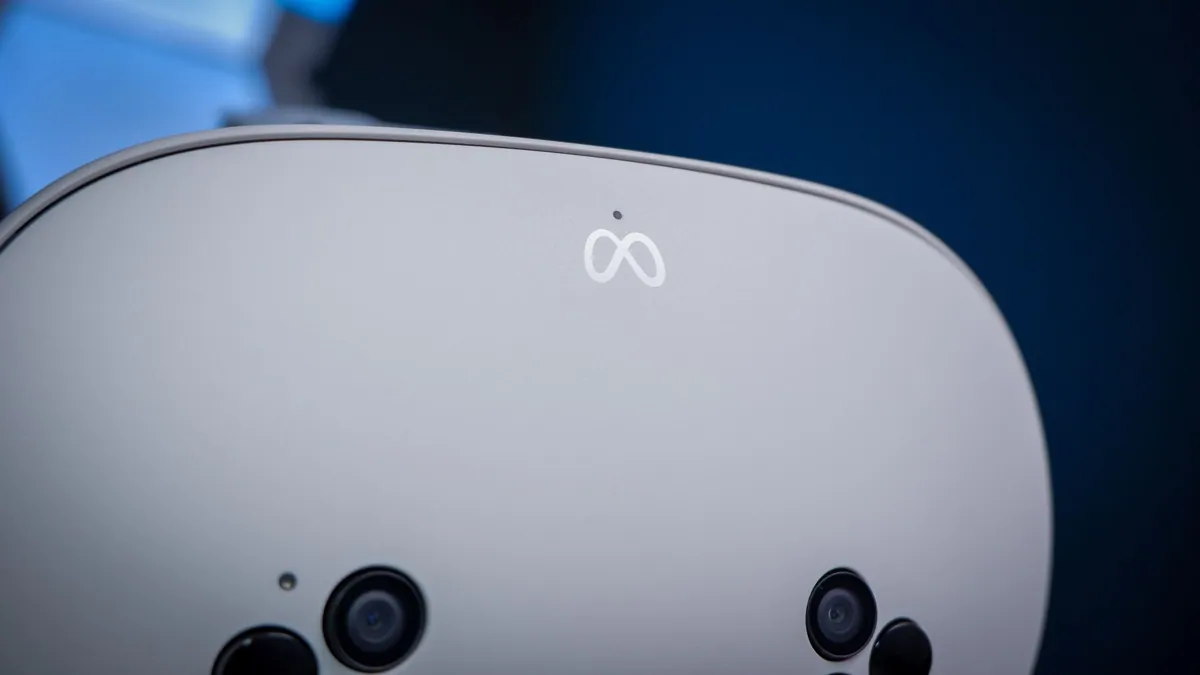
Meta closed three VR studios earlier this year and largely stopped talking about the metaverse. Reasonable people took that as a sign the company was quietly backing away from headsets. According to Meta CTO Andrew Bosworth, that read is wrong.
Answering questions on Instagram, Bosworth pushed back directly on the idea that Meta has soured on VR. "We've talked about this a lot this year—kind of an odd comment," he said, per reporting from UploadVR. "We've just updated the user interface profoundly for the first time in years. We've talked openly about the fact that we're building multiple next-generation headsets."
That claim lines up with what Meta has already said in public. On the company's Q4 2025 earnings call, announced in January 2026, CFO Susan Li reiterated that future headsets are still in development. Bosworth has also indicated a potential Meta Quest 4 could follow not long after that call. The trickier part is squaring that ongoing investment with the studio closures, which don't exactly scream confidence. Bosworth's answer for that: the cuts were about efficiency, not retreat. "We did get ourselves into a more sustainable shape, that's true. But no. We continue to invest quite a bit there," he said, pointing to Meta Connect, the company's annual conference, as the place for real details.
What's actually coming, and when
Meta Connect lands September 23 and 24, and that's the window to watch for any concrete announcement or teaser about the next headset generation. Until then, the field isn't empty. Valve's Steam Frame is the headset actually scheduled to ship first, with a summer launch window the company has already confirmed. Recent sightings suggest it's close: large shipments have reportedly been arriving in the US, and a "Great on Frame" tag has started showing up on the Steam storefront, usually a sign a device is nearing retail availability.
So for a few months at least, Valve's device will have the VR hardware conversation largely to itself, before Meta gets a chance to respond at Connect.
The memory problem hanging over both of them
Here's where the story gets more interesting than a routine "company still making headsets" update. Whatever Meta and Valve build next will land in the middle of a genuinely bad time to be shipping consumer electronics that depend on memory chips.
The Steam Frame reportedly carries 16GB of LPDDR5X memory, double the 8GB of LPDDR5 found in the Meta Quest 3. More memory is generally good news for performance and future-proofing, but it also means more exposure to a market where memory prices are climbing. The underlying driver, notably, is the AI boom: data centers are buying up memory chips at a pace that's straining supply for everyone else. That creates an awkward situation for Meta specifically, a company pouring enormous resources into AI, potentially seeing its own consumer hardware ambitions squeezed by the very trend it's helping fuel.
For a headset to legitimately earn the "next-generation" label, it needs meaningfully upgraded hardware, not just software polish. That hardware is the part likely to stay expensive for a while, which puts real pressure on pricing for whatever Meta unveils. Coming right after a round of studio closures, Meta has extra incentive to make sure this next device actually lands with consumers rather than becoming another cautionary tale.
That makes September a genuinely consequential month for the company, and not just on the headset front. Meta Connect will be the moment the "we're still committed to VR" messaging either gets backed up with a real product roadmap, or starts to look like reassurance without substance. Either way, the next couple of years look like a rough stretch to be launching new hardware, and Meta is stepping into it anyway.