Europe's Hera Spacecraft Spots Dimorphos for the First Time
The probe is closing in on the asteroid NASA deliberately smashed into back in 2022, with its sharpest images still to come.
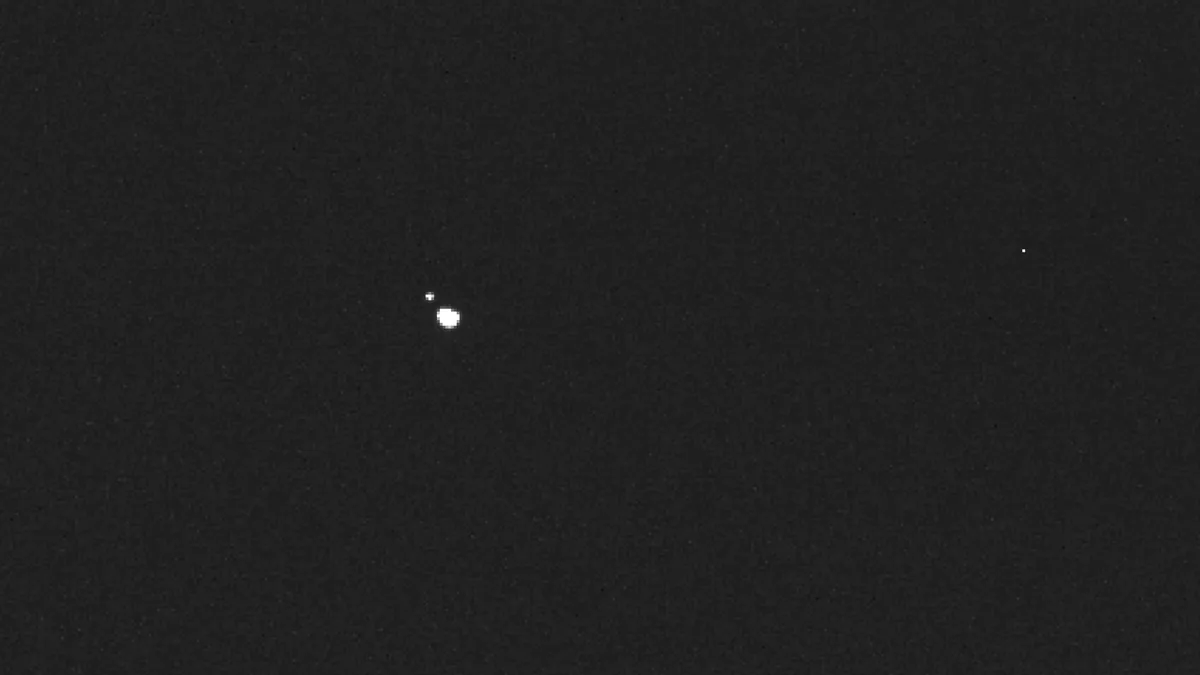
Europe's Hera spacecraft has picked out Dimorphos, the small asteroid moonlet that NASA's DART mission slammed into in 2022, as a distinct object for the first time. Until now, Hera's cameras could only make out its target system, Didymos and Dimorphos together, as a single point of light.
The spacecraft captured the image on October 18 from about 795 miles away from the pair, which currently sit roughly 122 million miles from Earth, according to Space.com. In the photo, Dimorphos amounts to little more than a single pixel, but it's a pixel clearly separated from its larger companion, Didymos.
"With this image, the smaller Dimorphos asteroid becomes visible for the first time," Michael Kueppers, Hera's project scientist at the European Space Agency, said in a statement. "Before this acquisition, the spacecraft was still resolving the Didymos system as a single dot."
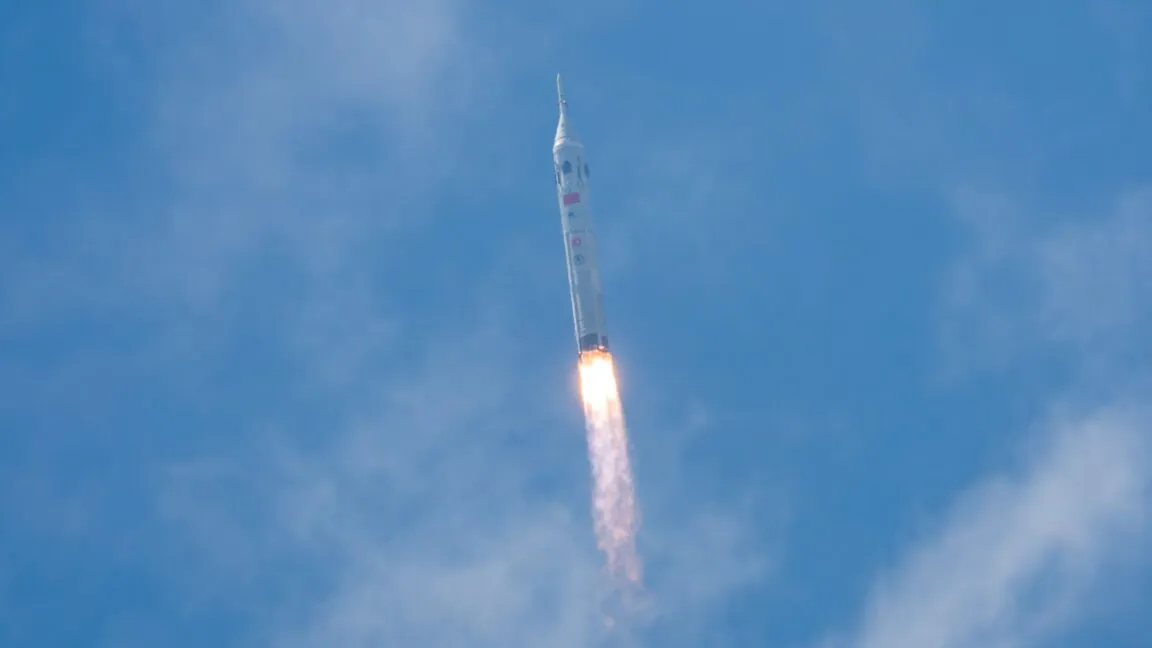
Hera launched on a SpaceX Falcon 9 in October 2024 and has spent the past year crossing space toward the Didymos system. Earlier this month it carried out braking maneuvers to slow down and line up its approach for a rendezvous with the two asteroids.
The mission exists because of what happened here three years ago. In September 2022, NASA's DART spacecraft, short for Double Asteroid Redirection Test, intentionally crashed into Dimorphos at high speed. It was the first real-world test of whether humanity could nudge an asteroid's path through sheer kinetic force, a technique that could one day matter if a space rock were ever found on a collision course with Earth. The impact worked: it measurably altered Dimorphos's orbit around Didymos, making it the first object in the solar system known to have had its trajectory shifted by human action.
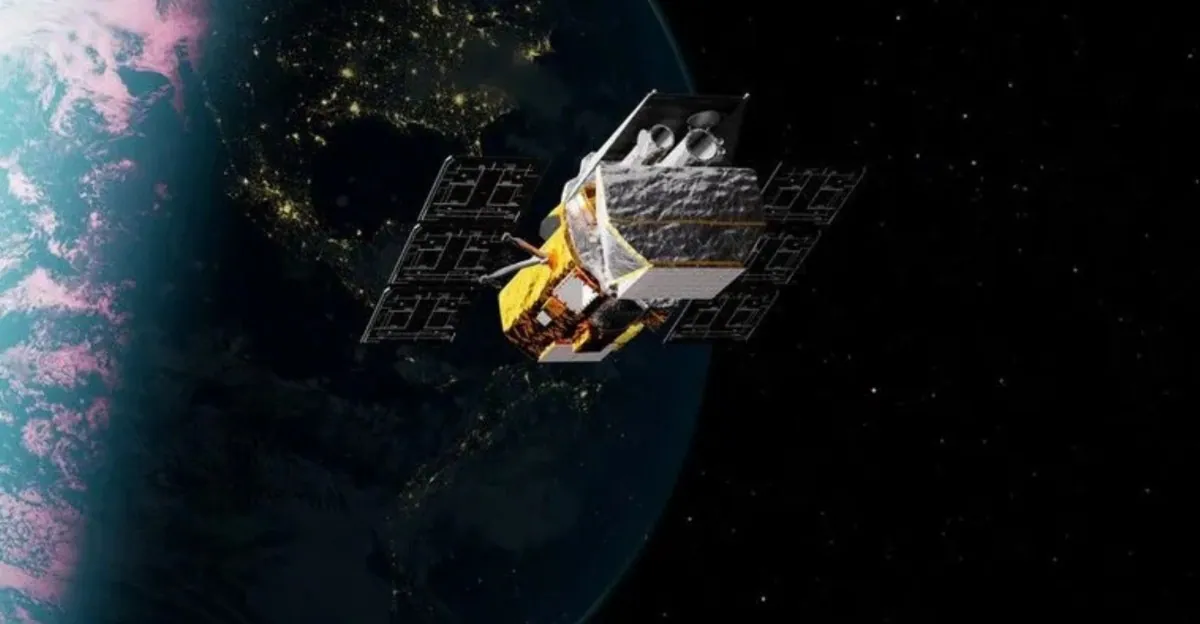
What DART didn't do is stick around to study the aftermath. That's where Hera comes in. The spacecraft is built to survey the crash site up close, assess the damage DART inflicted, and sharpen scientists' understanding of both the impact itself and the asteroids' physical makeup. It's carrying 12 separate instruments for that work, along with two cubesats designed for a closer inspection and an eventual landing on Dimorphos, which measures about 495 feet across.
The early glimpse of the asteroid is a milestone, but the real payoff is still ahead. Hera continues its approach this month, and mission managers are promising a much more detailed look soon.
"Our views will grow much sharper as Hera comes closer," said Ian Carnelli, ESA's mission manager for Hera. "We will unveil the first detailed images of Dimorphos — the first object in the solar system to have had its orbit measurably shifted by human action — on 25 November."
Once Hera gets close enough to study the impact crater and gather data on Dimorphos's composition and structure, that information will feed directly into how seriously planetary defense agencies can plan future deflection missions. For now, the single-pixel speck is proof the spacecraft has its target locked in.