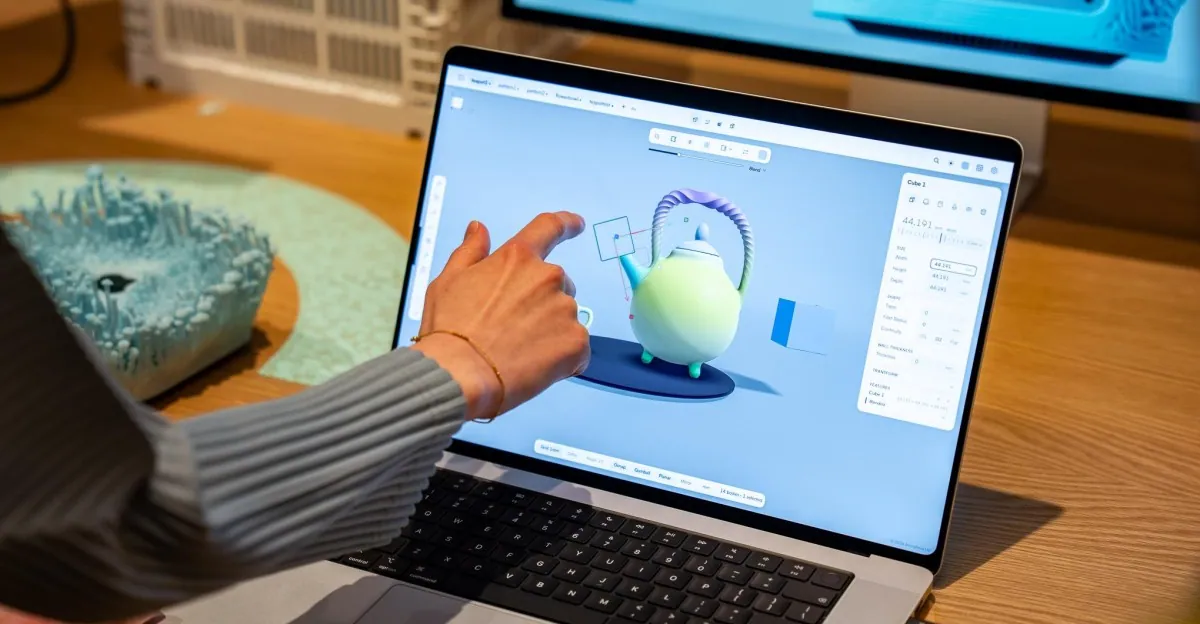
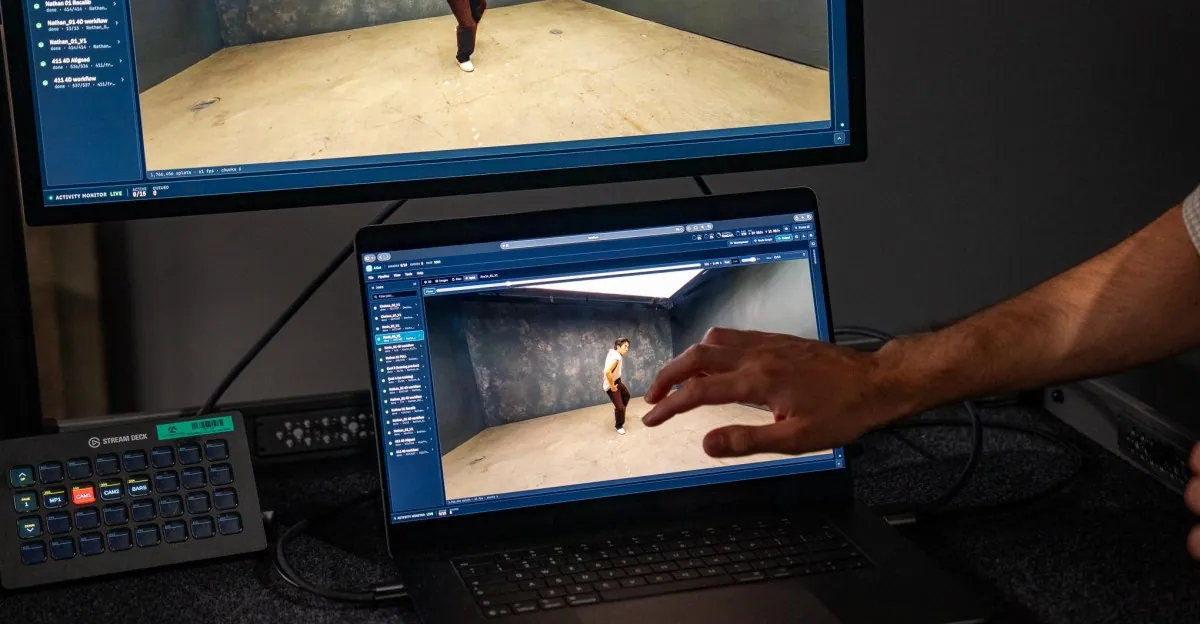
Apple's Entry-Level MacBook Pro Jumps to the M6 Chip
The update brings Apple's first 2nm processor to the base MacBook Pro, with a bigger CPU, upgraded Neural Engine, and better power efficiency.
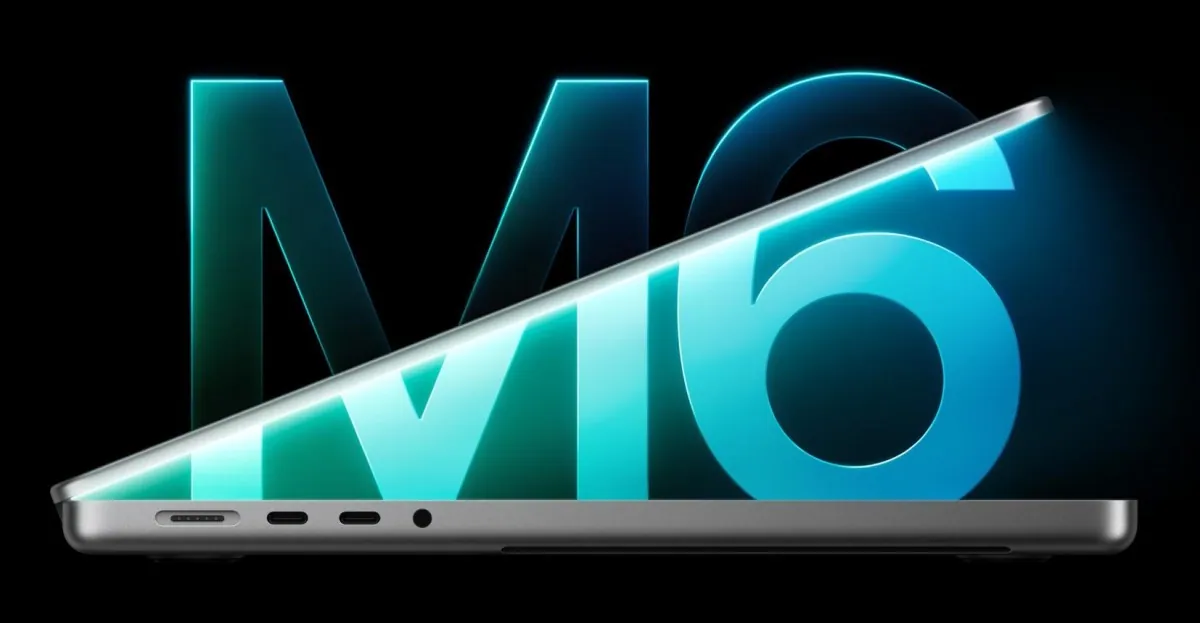
Apple has refreshed its entry-level MacBook Pro with the new M6 chip, swapping in the processor the company introduced in August alongside its latest Mac Mini, according to The Verge.
It's a familiar pattern for Apple's cheapest Pro laptop. Last year's update swapped the M4 for the M5 but otherwise left the machine untouched, keeping the same design, port layout, webcam, and speakers. The one real upgrade beyond the chip itself was faster storage, plus the option to max out capacity at 4TB for an extra $1,200.
This year's headline change is the silicon. The M6 is Apple's first chip built on a 2nm manufacturing process, a shrink that typically allows for more transistors and better efficiency in the same physical space. Apple has bumped the CPU up to 12 cores, from 10 on the M5, and says the chip delivers up to 1.2x faster multithreaded performance than its predecessor.
The M6 also carries a Dual 16-core Neural Engine, Apple's dedicated hardware for on-device AI workloads, and a 12-core GPU that includes a Neural Accelerator built into each core. Apple says the chip is more power-efficient overall, on top of the performance gains.
Those are meaningful upgrades, but they're also the kind of incremental, year-over-year bump Apple watchers have come to expect from its Pro-chip rollout cadence. The company tends to introduce a new chip generation in its higher-end machines or Mac Mini first, then filter it down to the entry-level MacBook Pro on a roughly annual schedule. The M5-to-M6 jump follows that same script.
As with last year's refresh, Apple doesn't appear to be touching the laptop's industrial design, webcam, or speakers this time around. The story, at least so far, is entirely about what's inside.
The Verge notes its report is still developing, meaning further details on pricing, exact configurations, or additional changes may follow. For now, the core takeaway is straightforward: Apple's least expensive MacBook Pro no longer trails behind the rest of its Apple Silicon lineup, at least until the next chip generation arrives and the cycle repeats.