Apple's New MacBook Pro Quietly Solves a Problem Most Displays Don't Even Know They Have
The laptop is only the second Apple product to support CMF 2026, a new color standard built for screens that CIE 1931 was never designed to handle.
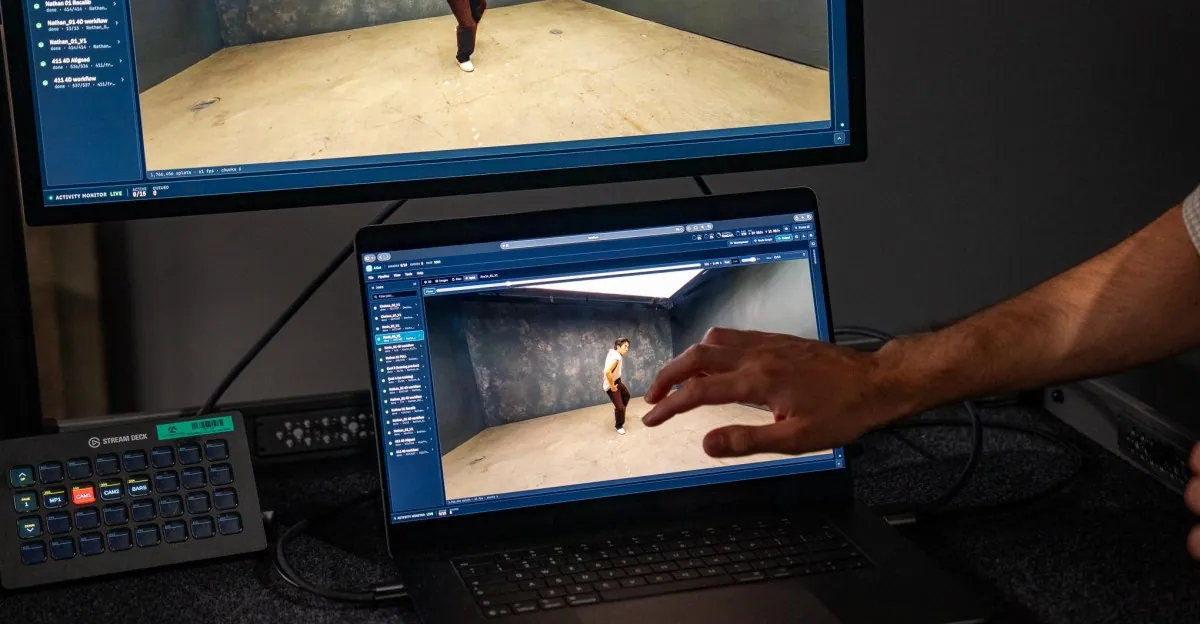
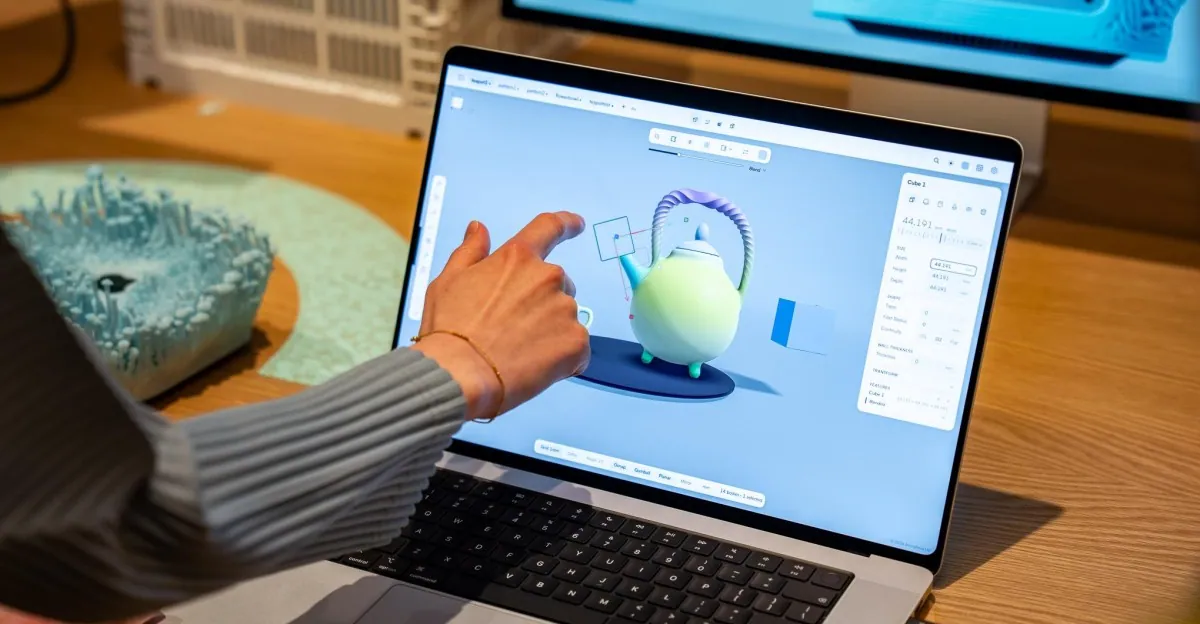
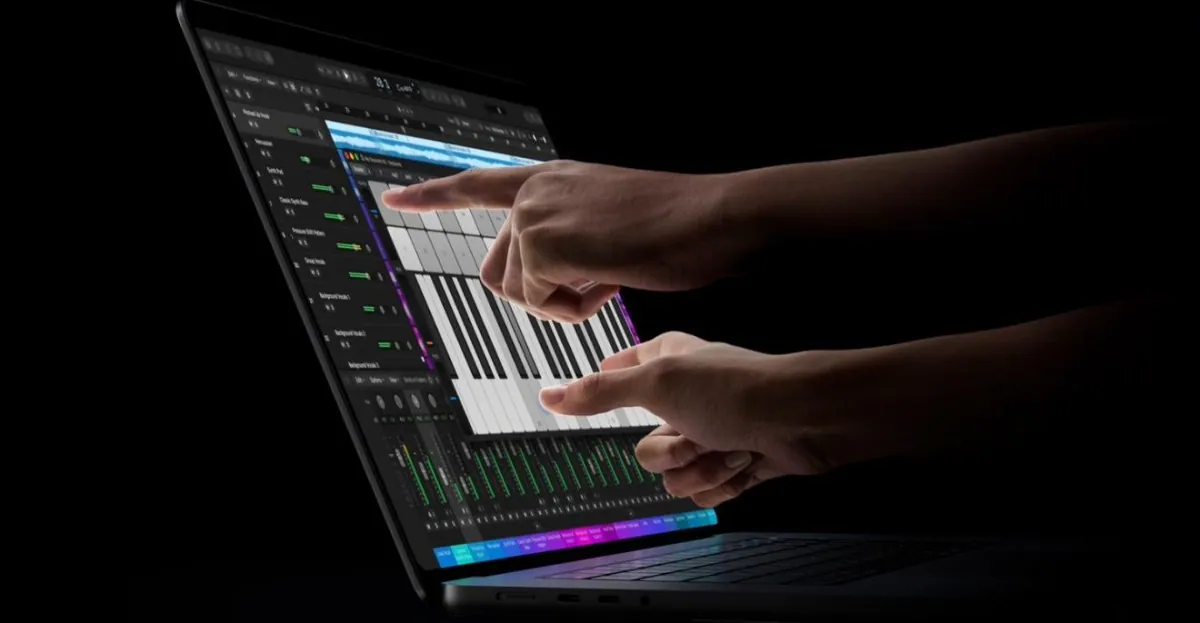
Apple's new MacBook Pro has two headline display features: an OLED panel and, for the first time on a Mac laptop, touchscreen support. But according to The Verge, the feature that actually matters most to color professionals is buried deeper in the spec sheet. The MacBook Pro with the PROLED XDR Display is the first laptop, and only the second Apple product ever, to support something called Apple CMF 2026.
CMF stands for color-matching function, a mathematical model of how human eyes perceive color. For nearly a century, the display industry has leaned on one standard: CIE 1931, published by the International Commission on Illumination. It's been reliable for generations of screens, but it has a known weak spot that's become harder to ignore as display technology has evolved.
The problem is biological, not technical. CIE 1931 was built from data collected on just 17 test subjects, and it doesn't fully account for the natural variation in how different people's eyes perceive color, including changes that come with age. That gap didn't matter much on older display tech. But modern panels with ultra-narrow-band spectra — OLED, LEDs using KSF phosphors, quantum dots — expose it. Two screens calibrated to the exact same white point can show the same image and look identical to one viewer, yet subtly different to another, purely because of how their eyes register color. For casual use, that's a shrug. For a professional trying to guarantee that an image looks the same on every screen it touches, it's a real liability.
Apple CMF 2026 is designed to close that gap, aiming for consistency across different display technologies and different viewers rather than just consistency on paper. Apple first built the standard into the Studio Display XDR, a professional monitor The Verge reviewed earlier this year and praised as excellent, if expensive. Bringing the same technology to a laptop is the bigger deal here: it's the difference between a color-accurate screen that lives permanently on a desk and one that travels with the person actually doing the work.
How it actually works on the MacBook
The new MacBook Pro carries the same two Apple CMF 2026 reference modes found on the Studio Display XDR: one tuned for P3 color primaries, and a second that blends P3 and Adobe RGB for more flexibility. Brightness is a step up from the standalone monitor, too — the MacBook hits 2,000 nits peak for both HDR and SDR content, compared with up to 1,000 nits peak SDR brightness on the XDR display. A True Tone feature automatically adjusts HDR tone mapping, brightness, and white point based on the room's ambient lighting, though users can turn it off in Displays preferences if they'd rather control that manually.
CMF 2026 isn't mandatory. The MacBook still includes 14 additional reference color modes built on the older CIE 1931 standard, including a DICOM mode for medical imaging. CIE 1931 remains the industry baseline, and Apple isn't ripping it out. The laptop also supports Apple's Pro Display Calibrator, which offers three ways to fine-tune the reference modes or build a custom one: a full calibration, a tuned calibration using proper measurement hardware, or a visual adjustment for anyone without that gear.
Why a standards fight over a laptop screen is worth watching
Color science built around 1931 has carried the industry a long way, but it was never going to be the final word. Apple's push on CMF 2026 includes an active standardization effort — the company is working with a CIE technical committee on a proposed standard, per The Verge's reporting — which signals this isn't meant to stay an Apple-only quirk but to eventually shape how the broader industry measures color.
Putting it in a laptop rather than just a specialty monitor is what actually moves the needle. Far more people will buy a touchscreen MacBook Pro, even at $2,900, than a $3,300 Studio Display XDR aimed squarely at studios and post-production houses. That expands the pool of people using CMF 2026 substantially. It also hands professional colorists, photographers, and video editors something they didn't have before: portable access to the same accuracy they'd otherwise need a dedicated reference monitor to get.
Whether CMF 2026 becomes an industry norm will depend on what happens with that CIE committee, not on one laptop launch. But Apple just made the case for it a lot more concrete by putting it in something people can throw in a backpack.