Apple Is Building Its Smart Glasses Around a Simple Pitch: They Won't Spy on You
Bloomberg's Mark Gurman reports Apple plans to unveil its first smart glasses at WWDC next June, with privacy safeguards baked in to avoid the backlash that's dogged Meta's camera-equipped eyewear.
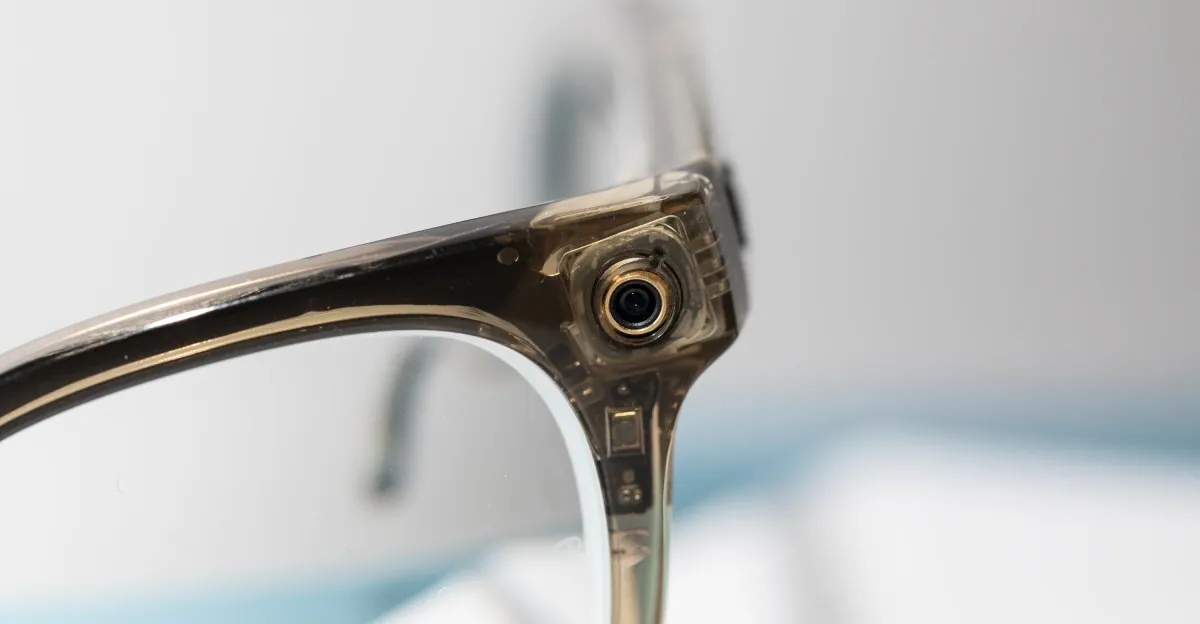
Apple's first pair of smart glasses is reportedly coming into view, and the company appears determined to make privacy the thing that sets it apart from the competition. According to Bloomberg's Mark Gurman, Apple plans to show off the glasses at WWDC next June, with a full launch targeted for the end of 2027.
That's a long runway for a product Apple hasn't even announced yet, and Gurman suggests part of the delay comes down to getting the privacy story right before anything ships.
It's easy to see why Apple would want extra time here. Smart glasses as a category have already run into trouble on exactly this front. Meta's camera-equipped glasses have drawn criticism for how easily they can capture photos and video of unsuspecting bystanders, with little visible indication that recording is happening. That's a real problem for any company trying to sell a wearable camera to the public, but it's an especially sensitive one for Apple, which has spent more than a decade building its brand around the idea that it protects user data better than anyone else.
As Gurman puts it, simply entering the same product category as Meta risks undermining that reputation, "regardless of how Apple's approach differs." In other words, Apple isn't just worried about building a good product. It's worried about guilt by association.
What Apple Is Reportedly Planning to Avoid
The specifics, per Gurman's reporting, point to a device that leans hard on restraint. Apple is expected to rely on on-device processing, meaning data gets handled locally on the glasses or a connected device rather than shipped off to remote servers. That's consistent with how Apple has approached privacy elsewhere in its product line.
More notably, Apple is expected to skip features that have made Meta's glasses controversial in the first place. That reportedly includes facial recognition and anything resembling Meta's "super sensing" capability, which allows for a form of always-on recording. Gurman also believes Apple won't use footage or audio captured by customers to train its AI models, a practice that raises its own set of concerns about consent and data use.
Additional privacy-focused hardware and software features are also said to be in development, though Gurman's reporting doesn't detail what those might look like yet.
A Camera-Free Option?
Perhaps the most interesting wrinkle is the possibility that Apple could release a version of the glasses without a camera at all, or with a camera limited purely to sensing functions rather than photo and video capture. That would echo rumors already circulating about Apple's AI-enabled AirPods, which are reportedly being designed with similar constraints in mind.
That kind of split approach, offering a camera-free model alongside a standard one, would let Apple sidestep the recording controversy entirely for some buyers while still competing on features for others. It's a notably different strategy than Meta's, which has leaned into cameras as a core selling point of its glasses.
Why the Timeline Makes Sense
None of this suggests Apple is rushing. A reveal next June followed by a launch as late as the end of 2027 gives the company well over a year between showing the glasses off and actually selling them, an unusually long gap even by Apple's typically deliberate standards. If privacy features are genuinely central to the product's identity, that gap starts to make more sense. Getting the messaging wrong, or shipping a device that invites the same criticism Meta has faced, would cost Apple more than a delayed launch would.
The bigger picture here is about positioning. Smart glasses are shaping up to be the next serious battleground in wearable tech, and Meta currently has a head start with an actual shipping product. Apple's bet, at least as described in Gurman's reporting, is that it can afford to move slower if it moves in a way that reinforces rather than damages the trust it's built with consumers over the past decade. Whether that translates into a product people actually want to wear is a separate question, but the strategy itself is clear: let privacy do the differentiating, even if it means showing up to the category years after Meta already has.