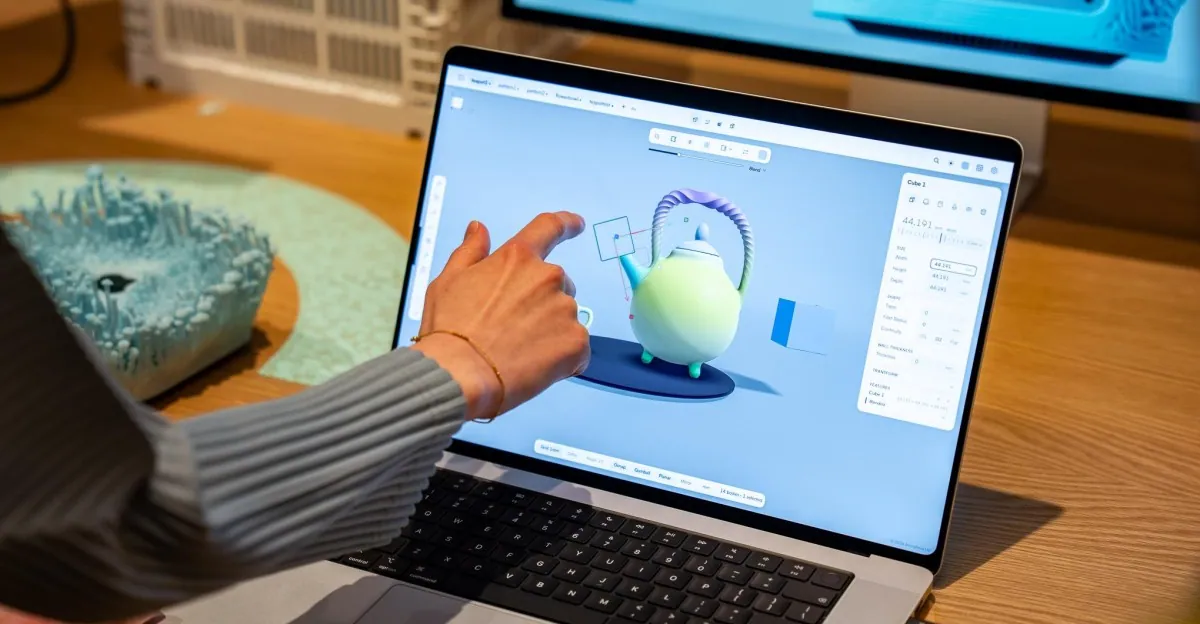
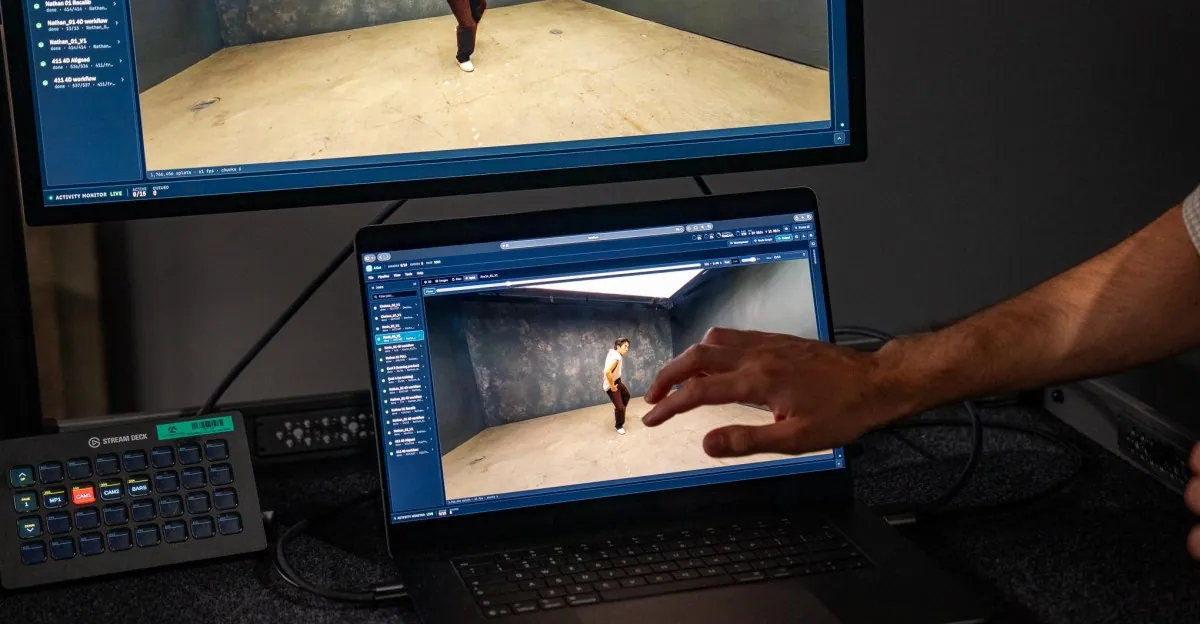
Apple Finally Builds a Touchscreen Into the MacBook Pro
The company that spent over a decade arguing against touchscreen laptops just shipped one, unveiled alongside new M6 Macs and an OLED iPad Mini.
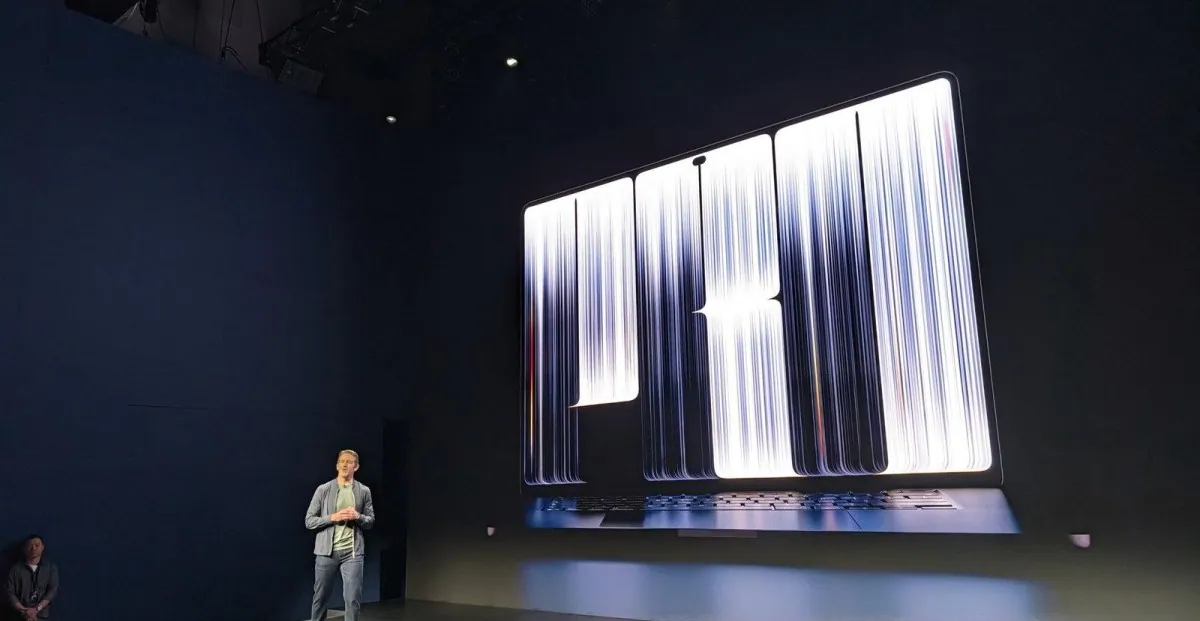
Apple introduced a MacBook Pro with a touchscreen at its "Pro and tell" event on Wednesday, ending a long-running stance against the idea that had become something of an Apple signature. Details on the new laptop are still emerging, but the reversal itself is the headline: for more than a decade, Apple executives insisted that putting touch input on a Mac just didn't make sense.
The company's resistance wasn't quiet. In 2010, Steve Jobs dismissed touchscreen laptops as "ergonomically terrible." Two years later, on a 2012 earnings call, then-CEO Tim Cook was asked why he didn't think tablets and laptops would converge into one device. His answer, memorably, compared the idea to merging a toaster and a refrigerator: "You can converge a toaster and a refrigerator, but those things are probably not going to be pleasing to the user."
Apple's actual attempt at bridging touch and the MacBook came in a different form. Starting in 2016, the company replaced the physical function key row on MacBook Pros with the Touch Bar, a thin touch-sensitive strip that changed depending on what app was open. It never became the Mac's primary touch surface, and the goodwill ran out fast. Apple brought back physical function keys with the 2021 MacBook Pro redesign, and by 2023 the Touch Bar was gone entirely across the lineup.
A full touchscreen display is a different proposition than the Touch Bar ever was, and it directly contradicts the convergence argument Cook made on that 2012 call. Whatever changed Apple's thinking, the company didn't walk this back quietly through a software update or an accessory. It built the capability into the Mac's flagship laptop line.
The announcement came during a packed week of Mac and iPad news. Alongside the touchscreen MacBook Pro, Apple also unveiled an iPad Mini with an OLED display, along with updated iMacs and MacBook Pros running its new M6 chip, according to The Verge's reporting on the event.
As for what the touchscreen MacBook Pro actually does differently, how Apple has adapted macOS for touch input, and what hardware changes made it possible, those specifics weren't part of Wednesday's initial reporting. The story is still developing, and plenty of the interesting questions, like whether this coexists with trackpad and keyboard input or reshapes it, remain open.
What's clear already is the symbolic weight of the move. Apple spent years making the case, publicly and repeatedly, for why Macs and touchscreens didn't belong together. Now the company's own product lineup says otherwise.