Apple's New Smart Home Hub Has the Hardware for Apps. It's Using CarPlay Instead.
Days after unveiling HomeView, Apple is leaning on its car dashboard software rather than building a true app platform for the device, according to The Verge's Vergecast.

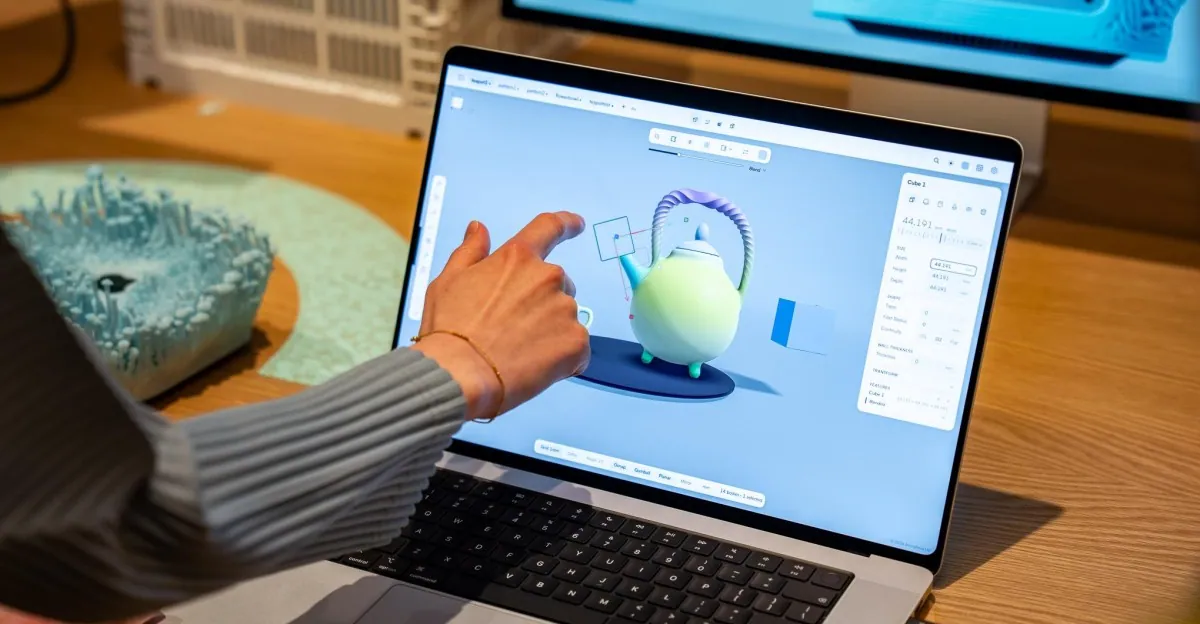
Apple just introduced a smart home hub with the kind of hardware that practically begs for an app ecosystem: real processing power, a screen, and a permanent connection to a power outlet. Instead of turning that into a platform, Apple is leaning heavily on CarPlay to do the job, according to a discussion on The Verge's Vergecast podcast with hosts Nilay Patel and David Pierce.
The device in question is HomeView, which Apple announced a few days ago as part of a broader smart home push. On paper, it looks like the kind of always-on screen that should be running a wide range of third-party software, the way a smart display or a tablet would. But according to the Vergecast hosts, that's not really what's happening. HomeView's software setup points back to CarPlay, the interface Apple built for car dashboards, rather than to anything resembling an independent app store or platform built specifically for the home.
That's an odd choice on its face. CarPlay was designed to project a simplified, driving-safe version of iPhone features onto a car's built-in screen. It was never meant to be a general-purpose app platform, let alone one for a device sitting on a kitchen counter or hallway table. Patel and Pierce spent part of the episode trying to work out why Apple would route a well-resourced home device through that framework instead of giving developers a proper reason to build for the home the way they build for the iPhone or iPad.
The decision raises a bigger question about what Apple actually wants HomeView to be. A device with real power and constant electricity is, in theory, a better app platform than almost anything else Apple makes, since it doesn't have to worry about battery life or performance limits the way a phone does. Choosing not to build that out suggests Apple sees HomeView as more of a controlled, single-purpose hub than an open computing device, closer in spirit to a smart speaker than to an iPad. It also means the software ecosystem around it will be shaped by whatever CarPlay can and can't do, rather than by a dedicated home app store.
For developers, that's a meaningful signal. If HomeView isn't going to be a real app platform, there's little incentive to build anything custom for it. For Apple, it keeps the device simpler and easier to control, but it also leaves an opening for competitors who might be more willing to open up their own home hubs to outside developers.
The Vergecast episode covered plenty of other ground too, including the latest Gemini model from Google and whether a strong underlying model matters if the products built on it aren't as good, along with a debate over returning to X and why none of the platforms positioned as Twitter alternatives managed to take hold. But the HomeView app question stood out as the kind of decision that says more about a company's priorities than the headline announcement itself did. Apple built a device capable of being a real platform and chose not to use it that way, at least for now.