Waymo Puts Its Robotaxis Back on the Highway After a Two-Month Timeout
The company says software fixes have solved the construction-zone confusion that triggered its sixth recall, but the restart lands right as lawmakers push for federal rules on self-driving cars.
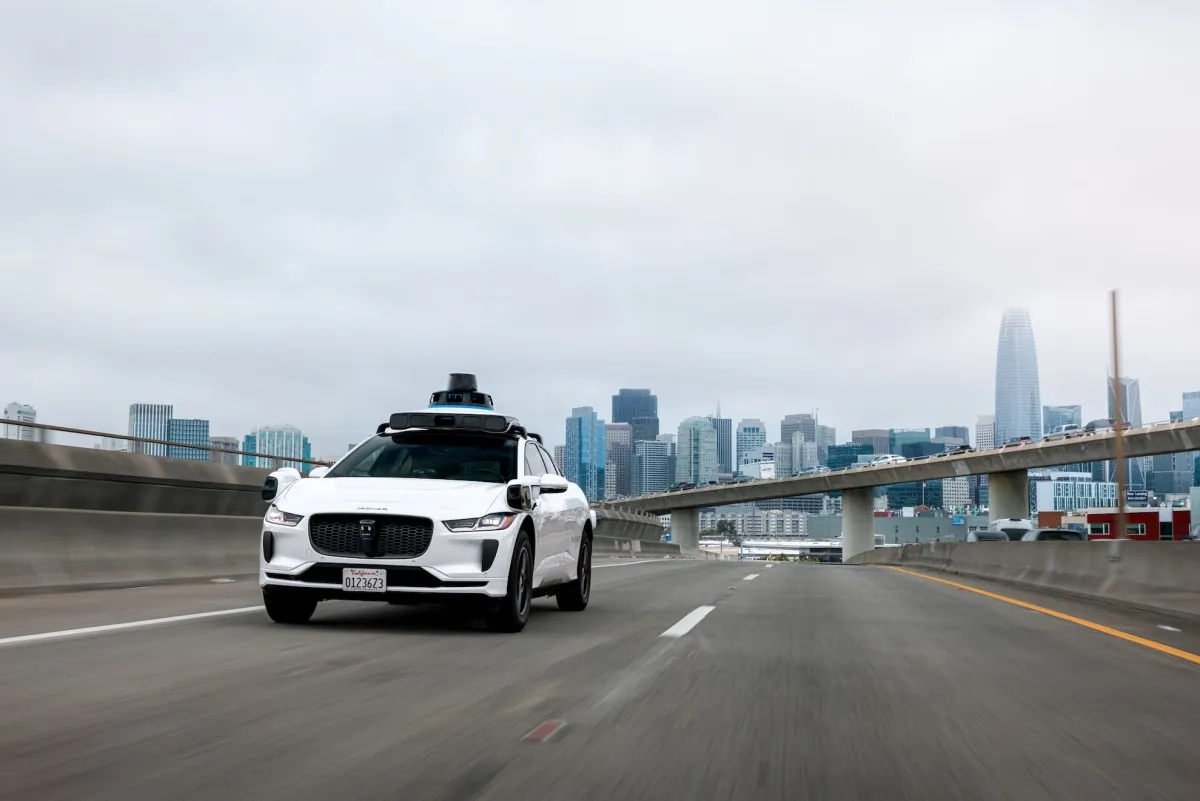
Waymo is putting its robotaxis back on freeways, more than two months after pulling them off high-speed roads because they kept doing something they really shouldn't: driving into closed construction zones.
The company announced the restart Wednesday in a post on X, starting with Phoenix, the market where Waymo first launched fully driverless rides. A company spokesperson told TechCrunch that other cities, including Los Angeles and the San Francisco Bay Area, would get their freeway routes back in the coming days.
In an emailed statement, Waymo said it's "resuming freeway operations across its entire service area, including areas with construction, after implementing software updates designed to improve performance around freeway construction zones." The company said those updates focused on sharper scene recognition and better routing decisions around work zones — the exact area where things went wrong in the first place.
What actually happened
Waymo turned on freeway rides in San Francisco, Phoenix, and Los Angeles back in November 2025, later expanding the feature to Miami. It was a meaningful upgrade for the service: freeways meant faster trips to airports and shorter commutes, the kind of thing that makes a robotaxi genuinely competitive with driving yourself or hailing a regular car.
Then, in May, the freeway routes just vanished. Riders noticed immediately and started asking Waymo directly on social media why the option had disappeared. The company's initial explanation was vague: it was folding "recent technical learnings" into its software and expected to bring the routes back soon.
The fuller picture came a few weeks later. Waymo voluntarily recalled its entire fleet — close to 4,000 vehicles — after finding at least 13 cases of its cars driving into highway sections that were closed for construction, according to a filing with the National Highway Traffic Safety Administration. Waymo said none of those incidents caused a collision or injury, but the pattern was enough that the company decided to pull freeway service across the board while it sorted out the problem.
That recall was Waymo's sixth. Earlier ones covered separate issues, including robotaxis driving into flooded roads and mishandling situations involving stopped school buses. Construction-zone confusion is a distinct, and arguably trickier, problem: it requires the car to correctly read temporary signage, cones, lane shifts, and detours that don't match its usual map data, all while moving at highway speed.
Why the timing matters
The freeway shutdown and restart are both happening against a backdrop of growing political attention on how autonomous vehicles behave in exactly these kinds of edge cases. Earlier this week, Rep. Kevin Mullin (D-Calif.) introduced a bill that would push federal regulators to set minimum national safety standards for companies running autonomous vehicles. The proposal follows a string of incidents in which self-driving cars blocked ambulances and fire trucks, drove into active crime scenes, or failed to recognize things like traffic cones and road flares meant to signal danger or a closure.
That's the same basic category of failure Waymo just spent two months trying to fix: cars not correctly interpreting the physical, often improvised signals humans use to say "don't go this way." It's a reminder that a lot of the hardest problems in autonomous driving aren't exotic scenarios, they're mundane roadside chaos that human drivers navigate on instinct and self-driving systems have to be explicitly taught to recognize.
Waymo has framed this restart as a full-service resumption, not a cautious trial in one city. The company says it's turning freeways back on across its entire footprint, construction zones included, on the strength of the software changes it made. Whether that holds up will depend on how the fleet behaves the next time it hits an unexpected lane closure or a detour that doesn't match what its maps expect.
For riders, the practical upshot is straightforward: faster trips and airport runs are coming back, city by city, starting with Phoenix. For regulators and lawmakers already circling the industry, this recall-and-restart cycle is likely to be Exhibit A in the argument that the rules governing robotaxis need to be more than each company's internal recall process.


