Waymo Is Reportedly Trying to Cut Uber Loose
The robotaxi maker has told Uber it plans to go it alone in Austin and Atlanta by 2028, the latest sign that a once-friendly partnership has curdled into rivalry.
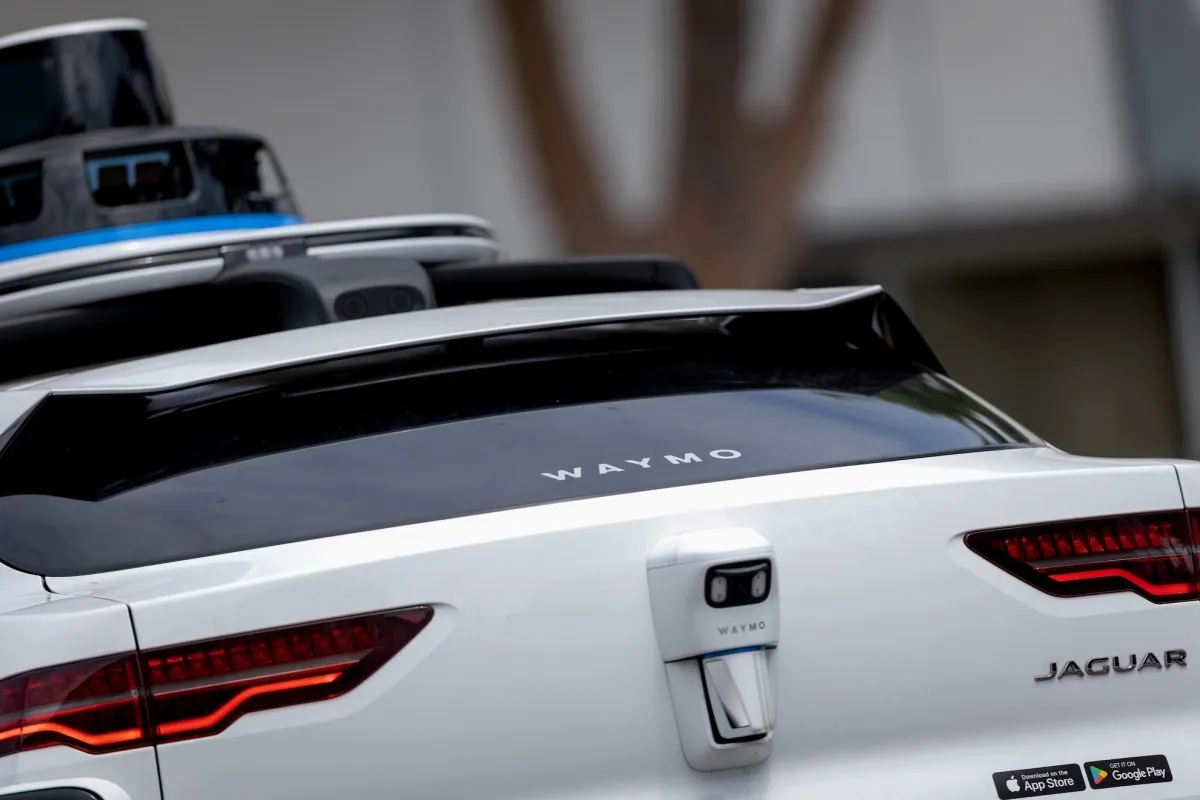
Waymo is looking for an exit from its ride-hailing partnership with Uber, according to a Financial Times report, and the two companies have already started making moves that suggest the relationship is winding down.
Uber confirmed to TechCrunch on Friday that Waymo has told it plans to launch robotaxis on its own app in Austin and Atlanta starting in January 2028. For now, that would run alongside the existing arrangement, in which Waymo's self-driving vehicles are booked through Uber's network in those two cities. But Uber also said its contract covering Austin and Atlanta doesn't expire until May 2028, meaning there's a gap between when Waymo wants to start competing directly and when the current deal is actually set to end. Waymo did not respond to a request for comment.
This isn't the first market where the partnership has come apart. TechCrunch first reported earlier this year that Waymo and Uber had already split in Phoenix, one of Waymo's original robotaxi markets. Austin and Atlanta now look like the next dominoes.
A partnership built for expansion, not for keeps
The Uber tie-up gave Waymo a fast way to put robotaxis in front of riders without building its own booking and dispatch infrastructure from scratch in every new city. For Uber, it meant offering a splashy, futuristic option on its app without having to build or own a self-driving fleet itself. On paper, it was a convenient arrangement for a company, Waymo, that was still figuring out how to scale, and for a company, Uber, that wanted to stay relevant as autonomous vehicles started eating into the taxi business it built.
But convenience deals like that tend to have a shelf life, especially once one partner gets confident enough to run the whole show itself. Waymo has been expanding its own app-based service in several cities already, and a January 2028 launch date in Austin and Atlanta suggests the company now sees itself as ready to compete head-on rather than ride shotgun on Uber's platform.
The relationship has been fraying for months
The business logic for going independent is obvious enough, but the FT's report lands against a backdrop of increasingly public friction between the two companies. Uber CTO Praveen Neppalli posted a video earlier this year showing what he described as unsafe and "scary" behavior from a Waymo robotaxi. In May, during an earnings call, Uber CEO Dara Khosrowshahi took a swipe at unnamed robotaxi behavior around school zones and emergency situations, widely understood to be aimed at Waymo even though he didn't say the company's name.
Waymo and Uber have also found themselves on opposite sides of a string of policy fights over how autonomous vehicles should be regulated, adding a regulatory dimension to what started as a straightforward commercial dispute.
Why it matters
Waymo pulling its robotaxis into its own app removes Uber as a middleman and gives Waymo full control over pricing, branding, and the customer relationship in markets it's targeting for growth. For Uber, losing Waymo as a partner in more cities narrows one of its most visible bets on staying relevant in an autonomous future, even as it keeps other robotaxi partnerships in play elsewhere.
The Phoenix split already showed this wasn't a one-off. With Austin and Atlanta apparently next, and a contract end date that doesn't quite line up with Waymo's own launch plans, the coming months look like they'll determine just how much of the Uber-Waymo relationship survives past 2028.


