Valve: Memory Shortage Squeezing Steam Machine Supply Will Get Worse Before It Gets Better
Valve engineers tell Bloomberg that the RAM crunch driving up PC hardware prices shows no sign of easing, and it's already limiting how many Steam Machines the company can build.
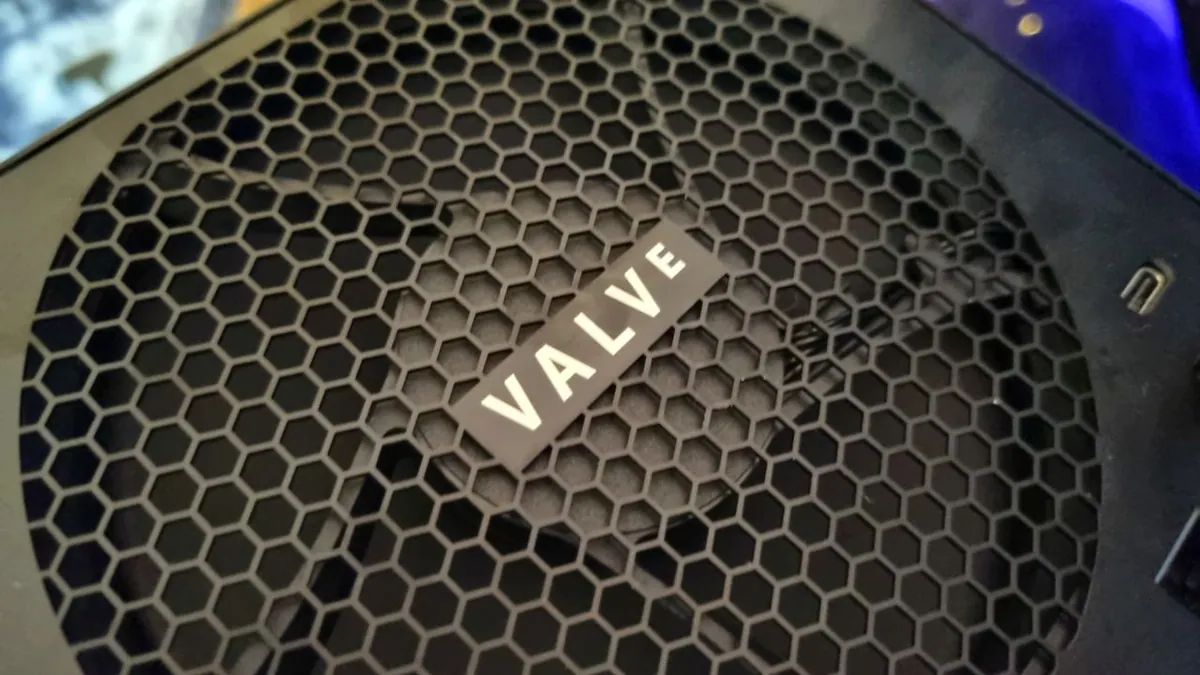
Valve has some bad news for anyone waiting out the current memory price spike before buying a gaming PC: don't hold your breath. In a conversation with Bloomberg's Jason Schreier, Valve engineer Yazan Aldehayyat said the company's own supply-chain data shows the situation deteriorating, not stabilizing.
"Honestly, it's still getting worse," Aldehayyat said. "Just in case people are not aware. What people are seeing on retail shelves right now, from our observations, is lagging what we're seeing from a bulk supply by at least three to six months."
That's a notable claim from a company that has to actually source components at scale to build hardware. It also lines up with recent market research showing memory prices are expected to climb steadily through 2027, with no relief forecast until 2028. In other words, the AI industry's voracious appetite for GPUs, SSDs, and memory chips isn't a temporary blip working its way through the system. According to Valve, what's on shelves today is a lagging indicator, and the pressure building behind it hasn't peaked yet.
Steam Machine caught in the crunch
The timing is awkward for Valve, which is in the middle of rolling out its new Steam Machine. Fellow engineer Pierre-Loup Griffais confirmed the shortage is directly constraining production. "We're basically building everything we can," he told Bloomberg. "We're limited by memory capacity, for sure."
Valve didn't share sales or production numbers for the Steam Machine, and according to Bloomberg, the company isn't framing success around unit counts anyway. Aldehayyat described the goal in more philosophical terms: giving PC gamers a real, open alternative for playing in the living room. "We suspect that the Steam Machine is a really good way to solve a very real problem that people have," he said. "If that's borne out to be true, from our opinion, it's a success."
Griffais made clear that the supply squeeze hasn't changed Valve's long-term commitment to the device. "Users are getting their machines," he said. "For a lot of the experience, the work starts. We'll be doing that for years to come."
Why the market looks like this
The broader story here is one that's been building for a while. Demand for AI infrastructure has been pulling memory chips, storage, and GPUs away from the traditional consumer PC market, tightening supply and pushing prices up across the board. Building or upgrading a gaming rig was never cheap, but the current environment has made it noticeably worse, and Valve's comments suggest the company sees this as a multi-year trend rather than a temporary squeeze that retailers will absorb once inventory catches up.
The three-to-six-month lag Aldehayyat mentioned is worth sitting with. It means the prices and shortages consumers are seeing right now reflect bulk supply conditions from months ago, and if Valve's bulk-buying view of the market is trending worse, retail prices likely have further to climb before this settles.
No exclusive game, on purpose
The interview also touched on why Valve chose not to pair the Steam Machine's launch with an exclusive title. Speculation had swirled that new hardware might arrive alongside a long-rumored Half-Life sequel, but Valve said that's not how it thinks about launch strategy. The company said it would rather lean on "having the whole PC catalog" as its effective launch lineup, rather than tying the hardware to a single marquee release.
That approach fits with how Valve is framing the Steam Machine overall: not as a closed console competing on exclusives, but as an open PC platform whose value comes from access to everything already available on Steam. Whether that's enough to make the Steam Machine a success by Valve's own definition remains to be seen, but for now, the bigger obstacle isn't software. It's whether Valve, and everyone else building PCs, can get enough memory to keep up with demand.


