The DOE Just Handed Constellation $5 Billion to Power Big Tech's AI Buildout
Seven of the eight nuclear plants getting upgraded capacity already have their power spoken for by Google, Meta, or Amazon.
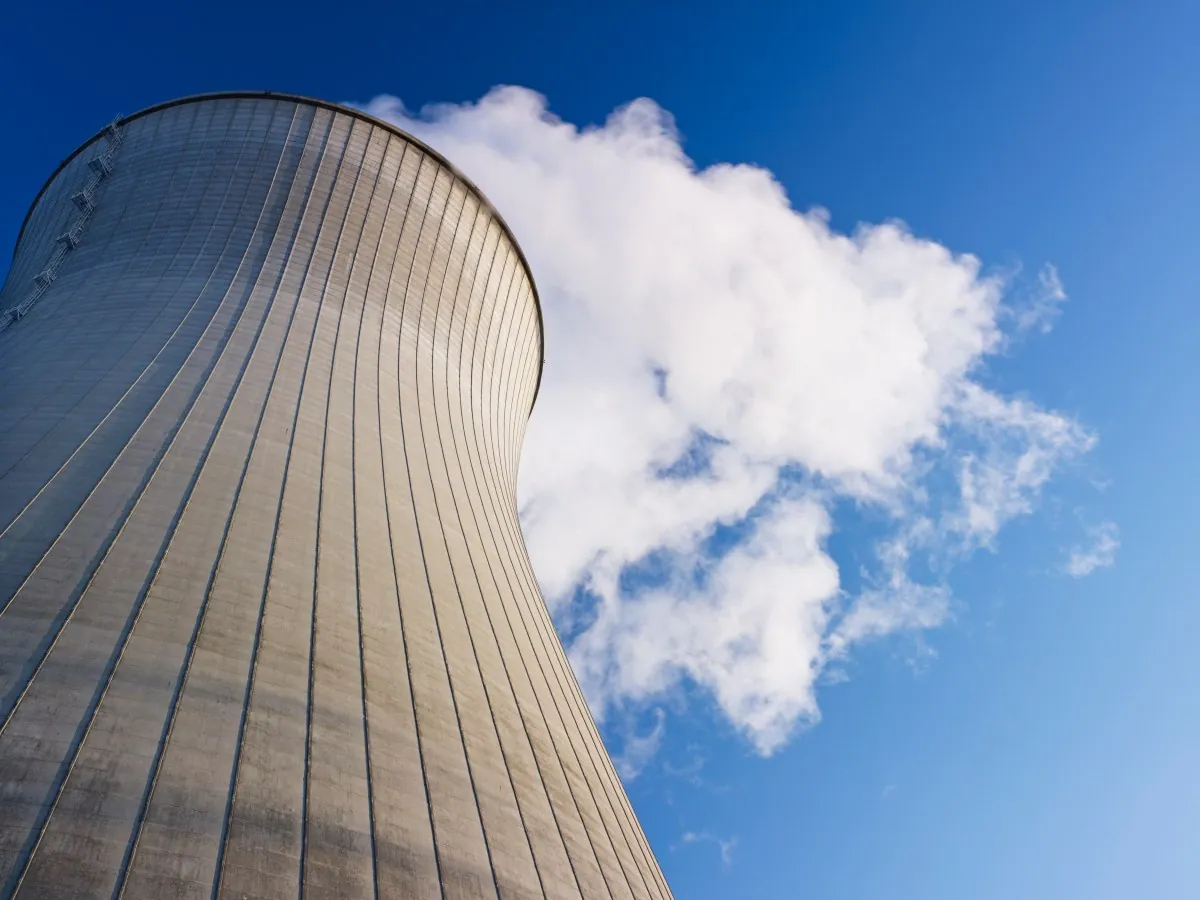
The Department of Energy is loaning Constellation Energy $5 billion to expand nuclear generating capacity at eight power plants by a combined 1.1 gigawatts. The twist: most of that new power already has a buyer, and it isn't your local utility.
Google, Meta, and Amazon have locked up most or all of the additional output from seven of the eight facilities, according to TechCrunch's reporting. This isn't new capacity heading into a general pool for homes and businesses to draw from. It's largely capacity that's already been earmarked for hyperscale data centers running AI workloads.
Constellation plans to use the financing to "uprate" 11 existing reactors across the eight plants — industry shorthand for squeezing more output out of equipment that's already running, often through more highly enriched uranium and upgraded hardware to handle the extra load. The company said it had already committed more than $7 billion to add 1,080 megawatts of nuclear capacity specifically to supply Google, Amazon, and Meta. The federal loan, which Constellation says hasn't been finalized yet, is framed as a way to cut financing costs on those projects rather than fund something new from scratch.
Where the power is going
The eight plants span three states: six in Illinois (Braidwood, Byron, Clinton, Dresden, LaSalle, and Quad Cities), one in Maryland (Calvert Cliffs), and one in Pennsylvania (Limerick).
The buyers are already sorted out for most of them. Google has confirmed it's taking the additional power from the Pennsylvania plant and four of the Illinois plants. Amazon is buying electricity out of the Maryland facility. Meta's deal is the most striking — it's effectively buying the entire output of the Clinton plant in Illinois.
That's a notable shift in how nuclear power gets allocated. These aren't small side deals. A single tech company claiming an entire plant's output signals how aggressively hyperscalers are moving to lock down dedicated, carbon-free power for their AI infrastructure rather than compete for it on the open grid.
The "affordable power" framing doesn't hold up
On Tuesday, the DOE described the loan as supporting what it called "affordable, reliable power to American homes and businesses." But according to TechCrunch, there's no evidence the new capacity will actually lower prices for residential customers. Constellation's own announcement doesn't address whether the projects will hold electricity rates steady or reduce them, and the company declined to confirm the government's claim when TechCrunch asked directly.
That gap matters. If the expanded capacity is contractually destined for Google, Amazon, and Meta's data centers, it's not obvious how that output does anything to ease pressure on the rates everyday ratepayers pay. The DOE's talking point and the actual mechanics of the deal appear to be pointing in different directions.
Why this is happening now
Hyperscalers have spent the past couple of years hunting for every available watt they can find to feed power-hungry AI data centers, and they've been willing to pay well above market rates to secure it. Tech companies are collectively committing tens of billions of dollars toward energy deals over the next several years — and because reliable power has become a genuine competitive advantage in the AI race, that tens-of-billions figure is likely an undercount of where things are headed.
Nuclear has become a particularly attractive target for these deals because it offers steady, round-the-clock output without the carbon footprint of fossil fuels — a combination that's hard to find elsewhere on the grid at this scale.
What the DOE loan does, functionally, is lower Constellation's cost of capital for upgrades it was already planning to make for these corporate customers. That could pad Constellation's margins, improve the economics for the hyperscalers footing the bill, or both. What it doesn't appear to do, at least based on what's been disclosed, is deliver the kind of consumer relief the agency's own announcement implied.
The arrangement is a clean illustration of where federal energy policy and the AI buildout are starting to overlap. Public financing is smoothing the path for infrastructure that's effectively private to begin with — built, sold, and consumed by a small handful of the largest tech companies in the world. Whether that overlap expands to more plants, and whether residential rates ever factor into the equation, is worth watching as these uprate deals keep stacking up.


