SpaceX Gets a Free Pass on the FCC's Foreign Router Crackdown
Starlink routers made in Vietnam now have federal cover through 2028, even as the agency's ban squeezes other manufacturers.
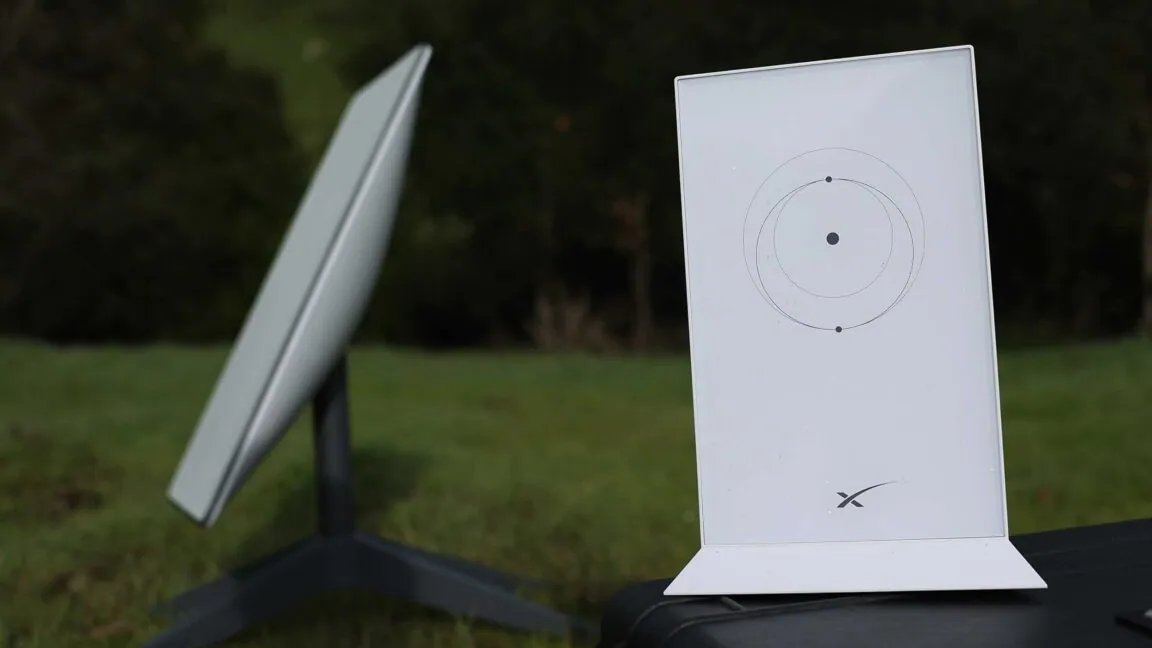
The Federal Communications Commission has granted SpaceX's Starlink an exemption from its new ban on foreign-made routers, clearing the company to keep selling equipment built outside the United States through February 1, 2028.
The exemption came via a public notice from the FCC, which said Starlink's routers were approved by the Department of War, the current name for the Department of Defense. That approval was the key that unlocked the waiver.
The move matters because of how sweeping the underlying ban actually is. The FCC recently updated its Covered List, the federal registry of equipment considered a national security risk, to include essentially all consumer-grade routers manufactured even partly outside the US. Since almost no router on the market is built entirely with domestic parts and labor, that update effectively forced every major vendor into the same position: get an exemption, or get locked out.
Netgear and Amazon have already secured their own exemptions. Now Starlink joins them, though the path there is a little more complicated than it looks at first glance.
The "Made in USA" question
SpaceX does manufacture some Starlink routers at a factory in Texas, and those units carry "Made in the USA" labeling. That fact had fueled speculation that SpaceX might be uniquely positioned to sidestep the FCC's ban altogether, without needing a special carve-out.
But that's not the whole picture. As PCMag reported back in April, some Starlink routers are actually manufactured in Vietnam. That detail is almost certainly why SpaceX needed the exemption in the first place: at least part of its router lineup falls squarely into the category the FCC set out to restrict.
Why the ban exists
The Trump administration has framed foreign-made networking gear as a national security liability, arguing that hardware built overseas, or containing overseas components, could be exploited to compromise US networks. That stance has doubled as leverage to push manufacturers toward building more equipment domestically.
The practical effect has been an industry-wide scramble. Because the Covered List update covers nearly the entire router market, companies large and small have had to petition for individual exemptions just to keep selling products they were already shipping. It's widely expected that firms with ties to China will have the hardest time getting approval, given that the administration's national security rationale is aimed squarely at that category of manufacturer.
SpaceX's situation looks different. Its exemption came through Department of War sign-off, suggesting the government views Starlink's hardware and its role in critical infrastructure and defense-adjacent applications as reason enough to grant relief despite the Vietnam-based manufacturing.
What it signals
The exemption underscores how much discretion the administration is exercising in applying its own router ban. A company with genuine domestic manufacturing capacity, like SpaceX, still needed a waiver for part of its product line, and got one relatively easily with defense-agency backing. That's a useful data point for other manufacturers watching how these exemptions get decided, especially firms without SpaceX's political and strategic standing.
For now, Starlink customers won't see any disruption, and SpaceX has a clear runway through early 2028. The bigger story is what happens to the rest of the router market as the FCC works through the backlog of companies seeking the same kind of pass.


