Travis Kalanick Raises $1.7 Billion for Robotics Startup, With Uber Along for the Ride
Atoms, the venture Kalanick built out of his ghost-kitchen company CloudKitchens, drew a massive round led by Andreessen Horowitz — and a notable check from the company that ousted him nearly a decade ago.
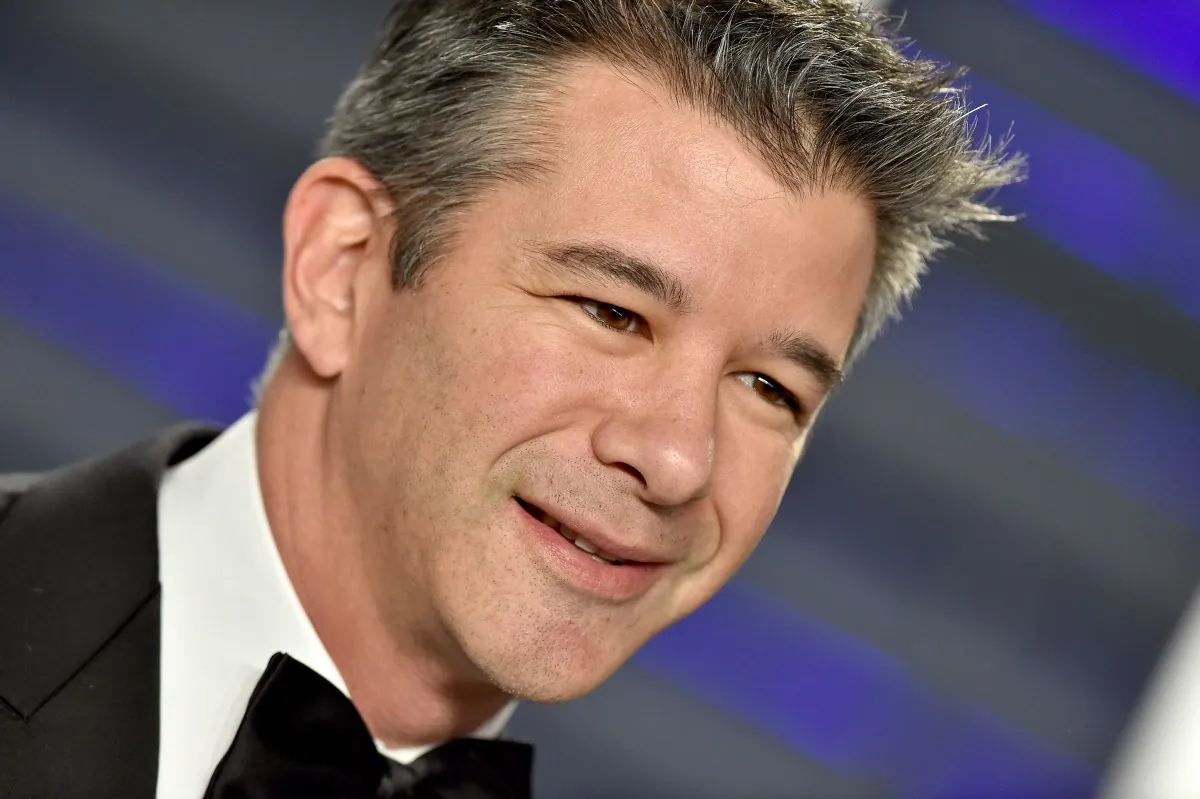
Travis Kalanick is back with a big number attached to his name. His robotics company, Atoms, has closed a $1.7 billion funding round led by Andreessen Horowitz, with Ben Horowitz set to take a board seat as part of the deal. Bain Capital and Fifth Wall also joined in.
But the detail turning heads isn't the size of the check. It's who else signed one. Uber, the company Kalanick co-founded and was forced out of as CEO in 2017 amid a wave of complaints about sexual harassment, discrimination, and a toxic workplace culture, put money into this round too. Nine years after his exit, the company and its former chief are financially linked again.
Atoms itself is less a new company than a new name on an old project. It's built on top of CloudKitchens, the ghost-kitchen business Kalanick started after leaving Uber. In March, he rebranded the operation as Atoms and revealed he'd acquired Pronto, a heavy-industry automation company run by Anthony Levandowski, another former Uber colleague. That acquisition gave the venture its robotics backbone and set up this funding round.
What Atoms actually wants to build
Kalanick hasn't laid out a product roadmap in detail. In a post on X announcing the raise, he framed it more as a continuation of a long-running thesis than a pivot into something new.
"On many levels, this round is a bit of unfinished business," he wrote. "Fuel to complete the bits-to-atoms story arc we started at Uber, continued at CloudKitchens and will now finish at Atoms."
He went further, describing a 16-year project to "digitize the physical world" — using software to "understand, predict and control" it. His language leans on a computing analogy: manufacturing as the CPU, real estate as storage, transportation as the network. It's the same instinct that drove Uber's original pitch, applied now to physical infrastructure rather than ride-hailing. Kalanick has also said, more concretely, that he wants Atoms to build a "wheelbase for robots" — a foundational platform other robotic systems could sit on top of, echoing how CloudKitchens built shared kitchen infrastructure for food delivery brands.
The Horowitz seal of approval
Ben Horowitz didn't hold back in his own post marking the investment. "Travis is Back," he wrote, adding that reshaping "old-school, heavy parts of our economy" requires an entrepreneur with "a rare kind of" grit, drive, and the range to move between software architecture and mechanical engineering. His conclusion: "Travis is that guy."
That kind of public endorsement from a16z's co-founder signals more than just capital. A board seat and a headline-grabbing quote suggest Andreessen Horowitz sees Atoms as a flagship bet in physical-world automation, not a passive line item in a portfolio.
Why Uber's involvement stands out
Kalanick's departure from Uber was one of the more dramatic executive ousters of the last decade, following a string of scandals over workplace culture and leadership conduct. That Uber, as a company, would turn around and invest in his new venture is the kind of detail that reframes the whole story. It doesn't erase that history, but it does suggest that whatever tension existed has cooled enough for a business relationship to make sense again, at least on Uber's side of the ledger.
Neither the source reporting nor Kalanick's own statements explain exactly what Uber gets out of the investment or how the two companies might work together going forward. TechCrunch notes the story is still developing, so the strategic rationale — and any operational ties between Atoms and Uber — remains to be spelled out.
The bigger picture
What's clear for now is the scale of ambition. A $1.7 billion round is a serious vote of confidence in a company that, until a few months ago, was still operating under the CloudKitchens name and known primarily for delivery-only restaurant infrastructure. The Pronto acquisition and the Atoms rebrand point toward a much bigger swing: robotics and automation applied broadly across physical industries, not just food service.
Kalanick has spent his post-Uber years building quietly. This round, and the company that once fired him now backing his next act, puts him back in the spotlight in a way he hasn't occupied since he left the ride-hailing giant. What Atoms actually ships, and how Uber factors into it, is the part still left to be written.


