The White House Just Became the Gatekeeper for America's Most Powerful AI Models
A new government clearinghouse would let officials decide which companies get early access to frontier AI, a role Anthropic and OpenAI used to fill themselves.
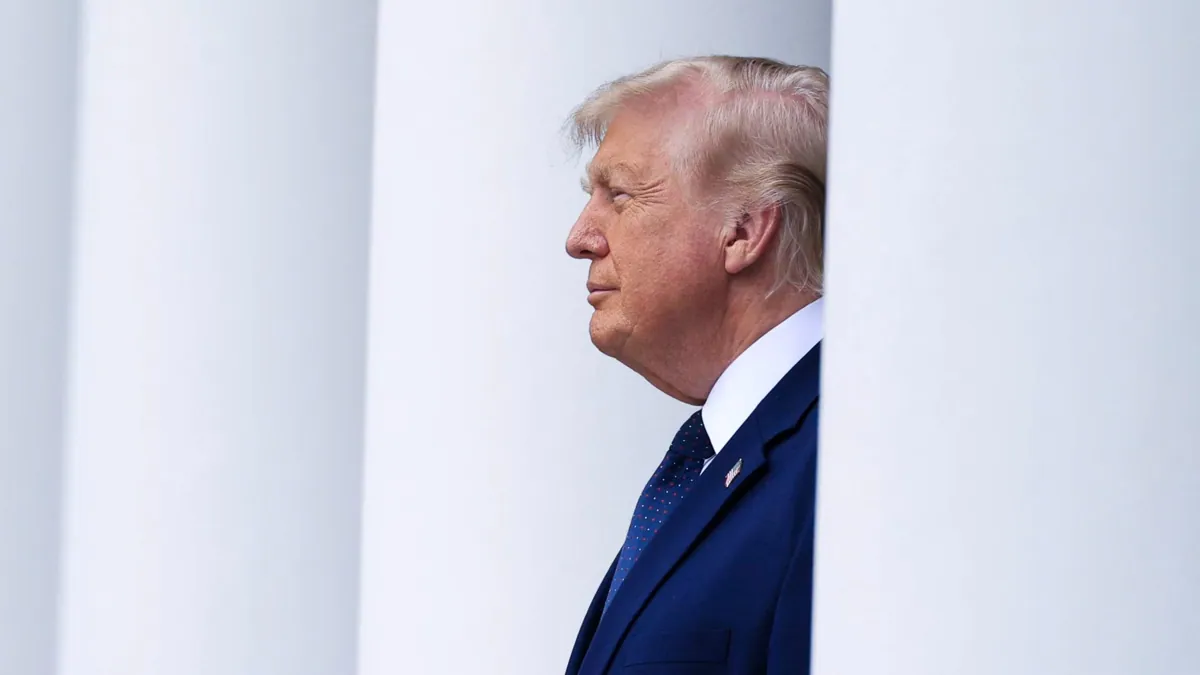
For the past couple of years, the decision about which companies got early access to the most powerful AI models belonged to the labs that built them. Anthropic decided who got into its cybersecurity testing program. OpenAI decided which enterprise customers saw its newest releases before the public did. That arrangement is changing, according to two sources familiar with the matter who spoke to CNBC. The Trump administration has begun dictating which companies and government agencies get access to frontier AI models, effectively inserting itself into a process the industry used to run on its own.
The shift is playing out through a new initiative called "Gold Eagle," launched this week, which the administration is pitching as a collaboration with the private sector to hunt down and patch cybersecurity vulnerabilities in AI systems. But according to a source familiar with the matter, Gold Eagle also functions as a clearinghouse — a mechanism that puts the White House in charge of approving which companies can access new AI models before they're released more broadly. Going forward, one source said, rollouts of frontier models will need explicit government sign-off on which partners are allowed in.
That's a meaningful departure from how things have worked so far. Anthropic runs something called Project Glasswing, through which it gave a handful of partners access to Mythos, its most capable cybersecurity model. OpenAI has a similar consortium, called Daybreak, built around its own cybersecurity model, and the company was reportedly asked by the administration to restrict access to its recent GPT-5.6 release. Both programs now have an uncertain future under the new approval structure.
The White House says it's just watching, not approving
Publicly, the administration is downplaying how much control it's actually exerting. A White House official told CNBC that the government does not approve AI releases from private companies, and that any testing, meetings, or engagements with government experts are strictly voluntary. In the official's words, "decisions on timing and scope of releases rest entirely with the companies." The official pointed to President Trump's recent executive order as the governing framework and added: "The Administration continues to collaborate with all of America's frontier labs to strengthen the security of this technology without stifling innovation."
That characterization sits awkwardly next to what's actually happened in recent weeks. Last month, the administration blocked access to Anthropic's Claude Mythos 5 and Fable 5 over what it called national security concerns, only restoring access after what CNBC describes as intense negotiations with the company. Around the same time, OpenAI said it would limit its newest models to "trusted partners" in order to comply with government requests. Voluntary or not, both episodes show the government exercising real leverage over release timing and distribution.
The groundwork for this was laid back in June, when Trump signed an executive order asking AI companies to voluntarily grant the government early access to new models for testing purposes. Gold Eagle appears to be the next step: turning that voluntary framework into something closer to a formal approval pipeline.
A race against cheaper, faster competition from China
The administration's push to tighten oversight is colliding with a separate and arguably more urgent problem: open-weight AI models from China are catching up fast, and doing it more cheaply. On Friday, Chinese startup Moonshot AI released its Kimi K3 model, which CNBC reports largely matched the performance of Anthropic's Fable and OpenAI's GPT-5.6 — and outperformed both on at least one independent benchmark.
That's exactly the kind of development that has fueled anxiety in Washington about slowing down American labs with too much process. David Sacks, founder of Craft Ventures and the former White House AI czar, called the Kimi breakthrough "concerning" and warned against the U.S. tying its own hands. "This is how you lose the AI race," he wrote. "The rest of the world won't play by our rules if we bog ourselves down."
That tension is the real story here. The administration wants tighter control over who gets access to the most powerful, potentially dangerous AI capabilities, particularly anything with cybersecurity implications. At the same time, it's acutely aware that every added layer of review is a head start for competitors overseas who face no such friction. Gold Eagle, and the clearinghouse function behind it, is the administration's attempt to thread that needle: keep a hand on the wheel for national security purposes without grinding release schedules to a halt.
Whether that balance holds is an open question. If frontier labs now need government approval before deciding who gets early access to their own models, that's a structural change in how the AI industry operates in the U.S., not just a tweak to a testing program. Anthropic and OpenAI built Glasswing and Daybreak as their own initiatives, run on their own timelines, with their own criteria for trusted partners. Whether those programs survive in anything like their current form now depends on decisions being made inside the White House, not inside the labs.


