The Space Force Just Tripled Its Rocket Launch Budget to $17 Billion
The Pentagon's expanded commercial launch contract signals a sharp jump in demand for military satellite missions, and gives smaller rocket companies more room to compete.
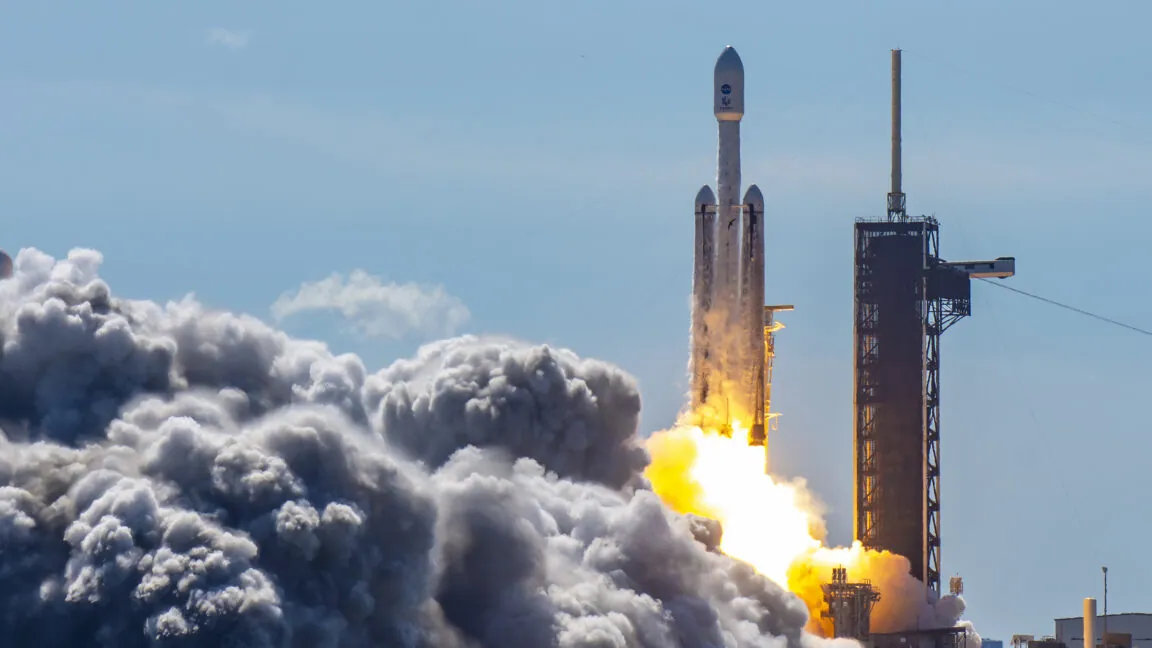
The US Space Force has decided $5.6 billion wasn't going to cut it. Military officials announced Friday that they're tripling the ceiling on one of the service's key launch contracts, pushing it to $17 billion, as demand for getting satellites into orbit keeps climbing.
The change applies to Lane 1 of the National Security Space Launch (NSSL) Phase 3 program, the Pentagon's main vehicle for buying rocket rides for its satellites. Space Systems Command, the arm of the Space Force that runs the launch program, picks providers from a pool of qualified companies to fly individual missions. The jump from $5.6 billion to $17 billion is a rough tripling of what the government originally set aside for this part of the contract.
Two lanes, two levels of scrutiny
NSSL Phase 3 splits military launches into two tracks. Lane 1 is the more permissive one, built for missions the Pentagon considers lower-risk: medium-lift launches carrying experimental payloads, or rideshare flights ferrying satellites for surveillance and data-relay constellations. Companies flying Lane 1 missions don't have to go through the Space Force's full certification gauntlet, which makes it the easier lane for newer or smaller launch providers to break into.
Lane 2 is where the government puts its most sensitive and expensive cargo — its largest spy satellites, and hardened communications satellites designed to keep functioning even after a nuclear detonation. Getting into Lane 2 requires clearing an extensive Space Force certification process, and right now only three rockets have managed it: SpaceX's Falcon 9 and Falcon Heavy, and United Launch Alliance's Vulcan. The $17 billion expansion applies only to Lane 1, not the more exclusive Lane 2 track.
A growing roster of competitors
When Space Systems Command first set up Lane 1 under Phase 3 back in 2024, it picked three companies: SpaceX, ULA, and Blue Origin. Since then, the roster has grown considerably. Rocket Lab and Stoke Space were added, followed most recently by Relativity Space and Impulse Space, giving the Pentagon seven companies to choose from for its lower-tier missions.
The Space Force runs this like a recurring bidding process rather than a single big contract award. Each year, Space Systems Command puts out a request for bids covering a batch of Lane 1 missions, then hands out fixed-price "task orders" to whichever companies win individual flights. So far, SpaceX has dominated that competition, taking the majority of Lane 1 task orders awarded to date. Blue Origin, notably, only picked up its first Lane 1 task order earlier this year, a sign that even companies with a seat at the table have had to wait their turn for actual launch business.
Why the number tripled
The Pentagon didn't spell out a single cause for the increase, but the move tracks with a broader trend: rising demand for military satellite launches. As the Space Force builds out more of the constellations that make up its surveillance and communications networks, it needs more flights, and more flexibility to book them across a wider set of providers. Raising the contract ceiling to $17 billion gives Space Systems Command room to keep issuing task orders without running into a budget wall that was set two years ago under different assumptions about launch volume.
It also matters for the smaller companies now on the Lane 1 roster. A bigger overall pot doesn't guarantee any of them more business, but it does mean there's more money in play as the Space Force spreads missions across SpaceX, ULA, Blue Origin, Rocket Lab, Stoke Space, Relativity Space, and Impulse Space. For newer entrants still trying to prove themselves against SpaceX's dominant position, that expanded ceiling represents more opportunities to actually win task orders rather than just sit on an approved vendor list.
The bigger structural story is what this says about where the military launch market is headed. Lane 2 remains a tightly guarded club of three certified rockets carrying the government's most critical payloads. Lane 1, by contrast, is turning into a genuinely competitive marketplace, one the Pentagon is now willing to fund at three times its original scale. Whether that translates into meaningfully more launches for the companies outside SpaceX and Blue Origin, or simply more of the same providers winning bigger slices of a larger pie, will depend on how Space Systems Command allocates the coming rounds of task orders.


