Space Force Triples Its Commercial Launch Budget to $17 Billion
A surge in demand for military satellite launches is pushing the Pentagon to open its checkbook wider for SpaceX, Blue Origin, and a growing list of upstart rocket companies.
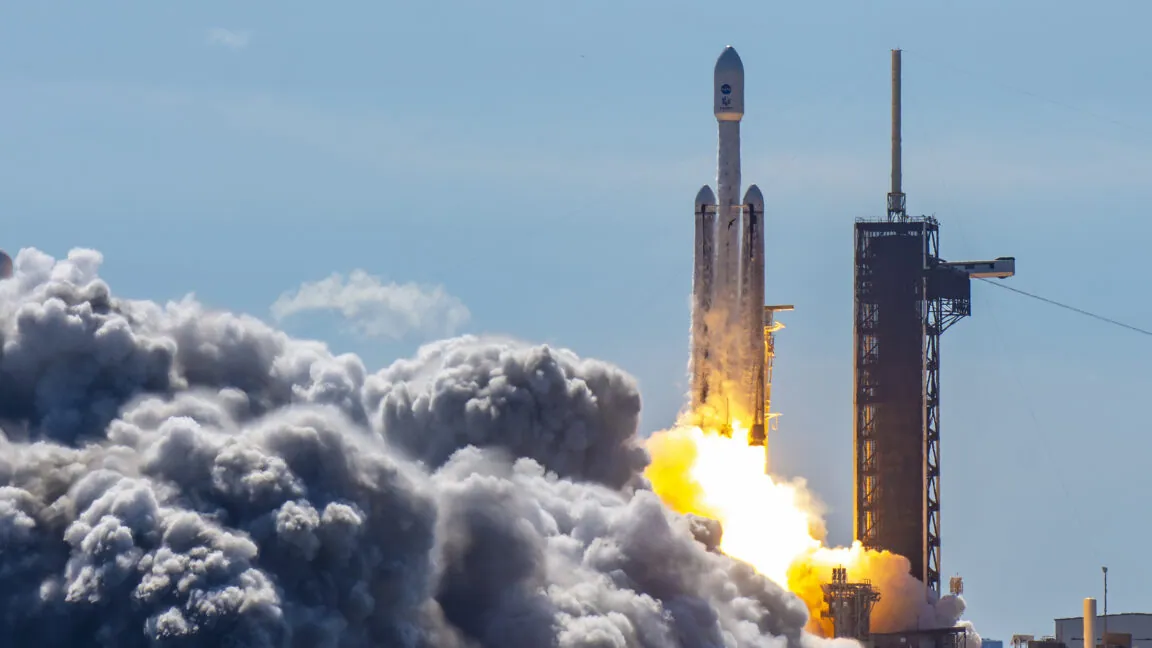
The Space Force just told the rocket industry it's going to need a lot more launches than it originally planned. Military officials announced Friday that they're tripling the ceiling on one of the service's National Security Space Launch contracts, from $5.6 billion to $17 billion.
The move expands Phase 3 of the National Security Space Launch program, known as NSSL, which is how Space Systems Command — the arm of the Space Force that manages military launch contracts — picks providers to carry satellites into orbit. The jump in spending authority signals that the Pentagon expects to need significantly more launch capacity than it budgeted for when the contract was first structured.
NSSL Phase 3 is split into two tracks. Lane 1 handles the missions the Space Force considers lower-risk: medium-lift launches, experimental payloads, and rideshare missions ferrying satellites for surveillance or data-relay constellations. Lane 2 is reserved for the highest-stakes national security missions, including the government's most expensive spy satellites and hardened communications satellites built to keep functioning through a nuclear conflict.
The $17 billion expansion applies specifically to Lane 1. That's the more accessible track, open to commercial launch providers without the extensive certification process the military requires for Lane 2 work. Lane 2 remains a much smaller club: only SpaceX's Falcon 9 and Falcon Heavy and United Launch Alliance's Vulcan rocket have cleared the military's certification bar to fly those missions.
A crowded field for Lane 1
Lane 1's roster has grown considerably since the Space Force first set it up. Space Systems Command originally tapped SpaceX, ULA, and Blue Origin when Phase 3 launched in 2024. Since then, Rocket Lab and Stoke Space have joined, and most recently Relativity Space and Impulse Space were added to the pool of companies eligible to compete for Lane 1 missions.
Here's how the system works in practice: the Space Force periodically puts out requests for bids covering a batch of Lane 1 missions, then hands out individual fixed-price "task orders" to whichever companies win. SpaceX has dominated that process so far, taking the majority of Lane 1 task orders awarded to date. Blue Origin picked up its first Lane 1 task order earlier this year, a milestone for a company that's spent years working toward a foothold in national security launch.
Tripling the contract ceiling doesn't guarantee any of these companies a bigger payday on its own. It simply raises the amount of money Space Systems Command is authorized to spend across all the Lane 1 providers combined. But it does make clear the Pentagon is anticipating a much busier launch schedule ahead, whether that's driven by expanding surveillance constellations, data relay networks, or other classified programs that ride on Lane 1 missions.
For the launch industry, the expanded ceiling matters less as a single windfall and more as a signal of where the money is headed over the life of the contract. With six companies now qualified for Lane 1 and a Pentagon budget line that just got three times larger, the competition for those task orders is likely to intensify, even as SpaceX continues to hold a commanding lead in the number of missions actually won.
What happens next will depend on how Space Systems Command allocates that new $17 billion across future bidding rounds, and whether newer entrants like Relativity Space and Impulse Space can convert their eligibility into actual contracts. Lane 2, with its tighter certification requirements and just two qualified rockets, remains untouched by this particular expansion, but the growing appetite for Lane 1 launches suggests the Space Force's overall demand for rides to orbit is only heading in one direction.


