Feds Weigh Investigation Into Tesla Robotaxis Allegedly Speeding Through School Zones
A new petition adds to a growing pile of federal scrutiny over how Tesla's self-driving software behaves on real streets.
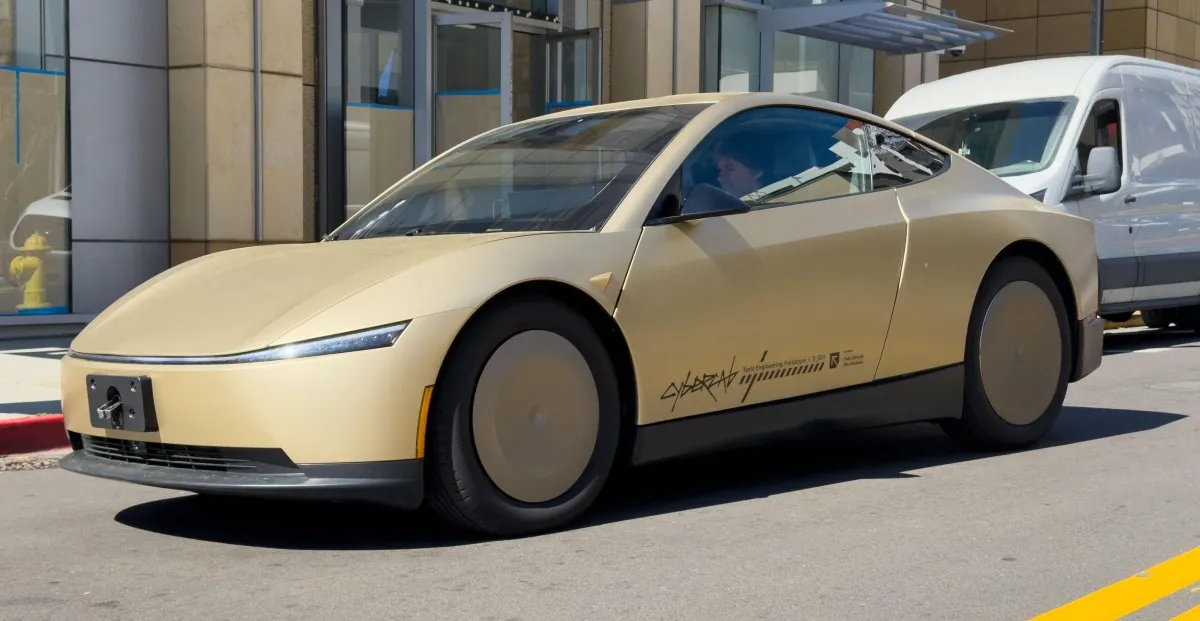
The National Highway Traffic Safety Administration is looking into claims that Tesla's robotaxis have been blowing past posted speed limits in school zones while kids are present. The agency confirmed it received a petition on September 23, 2026, asking it to formally investigate the roughly 1,000 Tesla Model Y and Cybercab vehicles currently running on the company's Automated Driving System.
According to NHTSA's own description of the filing, the petitioner alleges that the system "exceeds posted speed limits in active school zones" when it's driving the car. That's a specific and loaded accusation: active school zones typically carry temporary, lower speed limits enforced precisely because children are walking, crossing, or getting on and off buses nearby. If a self-driving system is systematically missing or ignoring those limits, it's not a minor software quirk — it's a safety problem in one of the few places on American roads where speeding carries outsized risk.
For now, this is a petition, not a confirmed finding. NHTSA's Office of Defects Investigation fields these requests from the public and then decides whether the allegations warrant opening a formal defect investigation. That's a meaningful distinction: the agency hasn't yet concluded Tesla's software is doing anything wrong, only that someone made a credible enough case to request a look. But petitions like this don't happen in a vacuum, and this one lands on top of an already crowded file on Tesla's driving software.
A pattern, not an isolated complaint
The Cybercab, which launched earlier this year, is already the subject of a separate NHTSA investigation tied to its design. The vehicle ships without side mirrors, pedals, or a steering wheel, a stripped-down cabin built around the assumption that the car drives itself from start to finish. Regulators are examining whether that configuration creates its own set of problems, independent of the speeding allegations now in question.
On top of that, NHTSA has an open investigation into Tesla's Full Self-Driving system more broadly, focused on traffic violations the software has reportedly committed, including running red lights and driving on the wrong side of the road. Taken together, the school-zone petition isn't an isolated flare-up. It's another entry in a lengthening list of ways federal regulators are probing whether Tesla's autonomous driving stack reliably follows the rules of the road rather than just the general shape of them.
Tesla isn't the only one under watch
Robotaxi scrutiny isn't unique to Tesla. Waymo, the Alphabet-owned robotaxi operator and Tesla's most direct competitor in the space, has faced its own round of inquiries over comparable issues, including allegations that its vehicles illegally passed stopped school buses. In one incident, a Waymo vehicle struck a child near a California elementary school. The parallel is notable: two of the most prominent companies racing to put driverless cars on public streets have both drawn federal attention specifically around how their systems behave near schools and children, arguably the highest-stakes test of an autonomous vehicle's judgment.
That overlap says something about where the real friction points are for this technology right now. Highway driving and straightforward intersections are largely solved problems for these systems. School zones are messier: speed limits that change by time of day, kids who don't always follow crosswalk rules, buses that stop unpredictably, and a much lower margin for error. If both Tesla and Waymo are running into trouble in the same type of environment, it suggests an industry-wide gap rather than a company-specific bug.
For Tesla specifically, the timing adds pressure. The company has been pushing to scale its robotaxi fleet and lean on the Cybercab as proof that fully driverless, controls-free vehicles are ready for public roads. A federal investigation, let alone a finding of a defect, in an area as sensitive as school-zone safety would be a tougher story to tell than one about a lack of side mirrors.
What happens next depends on NHTSA's review of the petition. If the agency decides the allegations have merit, it can escalate to a full investigation, which could eventually require Tesla to explain how its software calculates and enforces speed limits in zones where the posted limit isn't a fixed number but a variable tied to school hours and signage. Until then, the complaint sits alongside the Cybercab design probe and the broader FSD traffic-violation investigation as one more thread in a federal inquiry that's steadily widening around how Tesla's self-driving cars actually behave once they're out on real streets, near real schools, with real kids around.


