Texas Attorney General Sues OpenAI, Sam Altman Over ChatGPT Safety Claims
The lawsuit seeks to hold OpenAI's CEO personally liable and wants a court-appointed expert to vet future models before release.
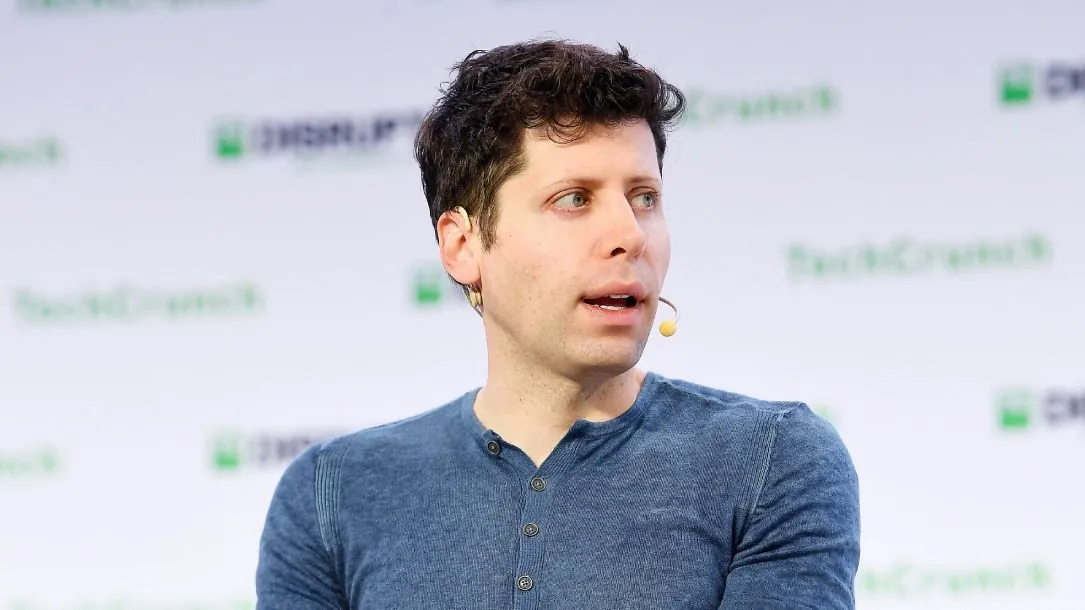
Texas Attorney General Ken Paxton filed suit against OpenAI and CEO Sam Altman on Friday, accusing the company of marketing ChatGPT as safe while its safeguards fail to protect users, including children, from harm.
The suit, filed under Texas's deceptive trade practices laws, takes an unusual swing: it names Altman personally, seeking to hold him individually liable for the alleged deception rather than treating it as a corporate matter alone.
Texas wants real teeth attached to the case. The state is asking for civil penalties of up to $10,000 per violation, plus a set of injunctions that would reshape how ChatGPT operates. Among them: barring minors from using the product, requiring a court-appointed expert to sign off on new models before OpenAI releases them, and forcing the chatbot to stop giving users guidance on suicide, eating disorders or violence. Paxton's office also alleges OpenAI has been violating state law by failing to verify users' identities.
The filing leans hard on OpenAI's own words to make its case. Prominently featured near the top, in italics, is a past remark from Altman that artificial intelligence will "probably most likely lead to the end of the world, but in the meantime, there'll be great companies." It's a line the state clearly intends to use against him.
The lawsuit also points to OpenAI's financial trajectory as evidence of what's at stake: the company's valuation has climbed from roughly $17 billion to more than $1.4 trillion over four years, according to the filing. Texas argues that growth came at the expense of user safety. "This success has not been earned," the suit states. "The rise of OpenAI is attributable to a web of deceit and the exploitation of users (including Texans), leveraging their data and safety to boost OpenAI's market value at unacceptable costs and jeopardizing everyone in Texas."
The filing goes further, linking the company's alleged misrepresentations directly to real-world harm. It claims that because of OpenAI's conduct, "mass shooters have been aided and abetted in deadly rampages, vulnerable people have been encouraged into suicide… and minors have become addicted to a tool that feigns human compassion to collect their data with no parental oversight."
OpenAI did not immediately respond to a request for comment from The Record.
A pattern of tech enforcement
This isn't Paxton's first swing at a major tech company, and it comes as he's in the middle of a tight Senate race. Over the past year, his office has sued or settled with Roblox, TikTok and Meta. The Meta case was the biggest of the bunch: in July 2024, the company agreed to pay Texas a record $1.4 billion to settle claims it deployed facial recognition technology without user consent.
That track record gives the OpenAI suit added weight. Paxton has shown a willingness to pursue aggressive settlements, and the Meta payout set a benchmark for what a state-level privacy and safety case against a tech giant can extract.
What's actually being demanded
The injunctive relief sought here goes beyond a typical consumer-protection remedy. Requiring a court-appointed expert to approve new AI models before release would effectively insert outside oversight into OpenAI's product development pipeline, something the company has so far managed on its own terms. Combined with age-verification and content restrictions around self-harm and violence, the requested remedies would force structural changes to how ChatGPT is built and deployed, not just how it's marketed.
Naming Altman personally also raises the stakes beyond a corporate fine. If Texas succeeds in holding him individually liable, it could set a precedent for how executives at AI companies are treated when their products are linked to harm, rather than just holding the corporate entity accountable while leadership stays insulated.
The case lands at a moment when OpenAI's ChatGPT has become one of the most widely used consumer AI products in the world, and when scrutiny over how AI chatbots interact with minors and vulnerable users has intensified across multiple states. How Texas's courts handle the identity-verification and expert-oversight demands in particular will be worth watching, since those remedies would reach well beyond a settlement check and into how OpenAI operates going forward.


