Tesla Sets a Q2 2027 Target for Letting Owners Join the Robotaxi Fleet
The company gave its customer-owned robotaxi dream an actual date this time, but its track record on self-driving deadlines isn't encouraging.
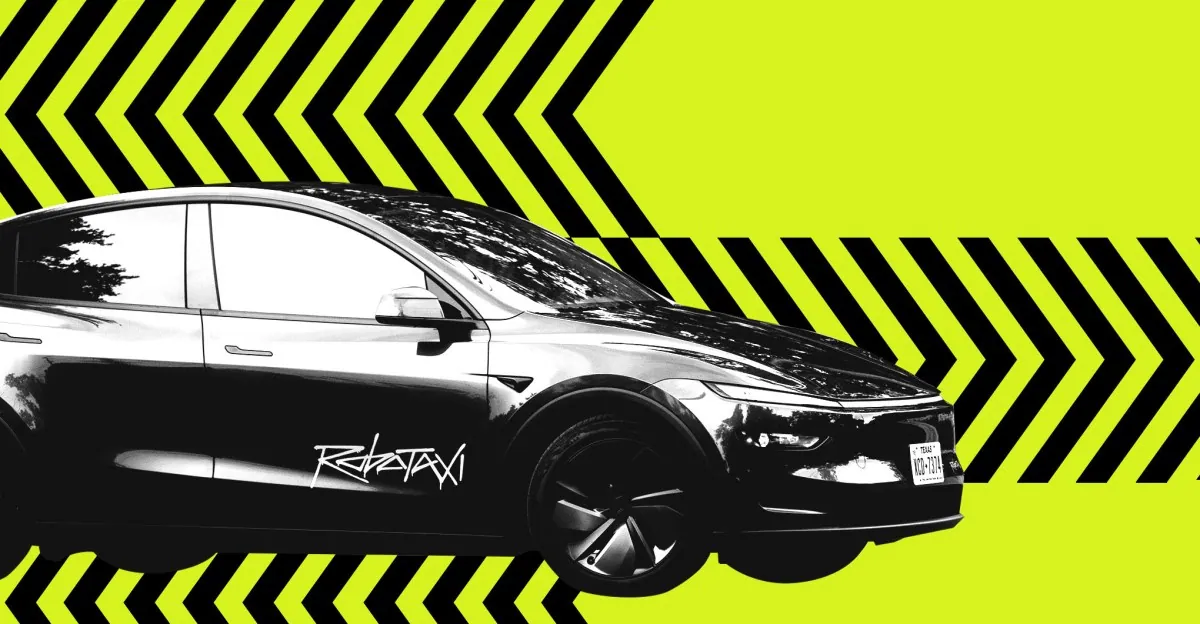
Tesla finally put a number on one of its oldest promises. During the company's third-quarter earnings call, VP for Autonomous Driving Ashok Elluswamy said Tesla owners should be able to enroll their own cars in the company's robotaxi fleet sometime around the second quarter of 2027.
That's a meaningful shift. Elon Musk has talked about turning private Teslas into driverless money-makers since 2019, but the company had never attached a real target date to it. Now it has one, even if the way Elluswamy phrased it left plenty of wiggle room: "We suspect somewhere around Q2 next year is when we can turn on some of the first customer vehicles to be part of the robotaxi fleet," he said on the call.
According to Elluswamy, the underlying software isn't really the holdup. He said the same autonomy software running Tesla's purpose-built Cybercabs already works on the Model Y, and that it will roll out to customers as part of the company's V15 software release. What's missing, he said, is making sure a customer's Model Y can be slotted into the geofenced zones and fleet-management systems Tesla uses to operate fully autonomously.
A promise with a long, broken history
Context matters here, because Musk has made this exact promise before and missed badly. At Tesla's first AI Day in 2019, he described a "Tesla Network" where owners could let their cars drive around autonomously picking up fares while they weren't using them, comparing it to Uber or Airbnb. He also predicted a million Tesla robotaxis would be on the road by 2020.
Neither happened. Six years later, Tesla's actual robotaxi footprint is modest: a few hundred vehicles operating in Texas and Florida, some of which still carry human safety monitors, plus several dozen fully driverless Cybercabs in Austin. The company's long-standing goal of "unsupervised" Full Self-Driving — meaning no human needed behind the wheel at all — still hasn't arrived for everyday customers.
That pattern is why the new Q2 2027 date deserves some skepticism. Musk has repeatedly set aggressive near-term deadlines for autonomy milestones that then slide by years, or quietly disappear. Tesla's driver-assistance technology has genuinely improved over time, but the gap between incremental progress and the "customers earn passive income from driverless robotaxis" vision has stayed wide.
The numbers Tesla is pointing to
Tesla did have some real momentum to highlight this quarter. Adoption of Full Self-Driving (Supervised) — the current, human-monitored version of the software — jumped sharply among new buyers. More than 75 percent of new Tesla purchasers in North America opted into FSD this quarter, according to the company, up almost 20 percentage points from the prior quarter.
Tesla also launched a new Robotaxi safety website, where it reports having logged 3.3 million autonomous miles. That's a steep climb from the 380,000 unsupervised miles the company had reported as of July, suggesting the pace of real-world testing is accelerating.
Those figures came alongside weaker business results elsewhere. Tesla's vehicle sales fell this quarter, revenue was flat, and profits declined — a reminder that the robotaxi ambitions are unfolding against a tougher core business backdrop.
The hurdles that software alone can't fix
Even if Tesla nails the engineering by its target date, opening the robotaxi network to customer-owned cars runs into problems that have nothing to do with code. Unsupervised driverless ride-hailing requires specific regulatory approval at the local and state level, and those permits vary widely by jurisdiction. Insurance for driverless passenger service is another open question, and in most places it's simply illegal right now for an individual owner to operate their own self-driving car as a driverless taxi.
There's also a hardware problem lurking inside Tesla's own fleet. Older Model 3 and Model Y vehicles don't all have the latest full self-driving hardware or the onboard compute needed to run the most advanced autonomy stack, which limits which cars could realistically qualify. And purpose-built vehicles like the Cybercab are engineered from the ground up for driverless passenger service, while a consumer car pressed into robotaxi duty needs extra software safeguards to operate safely without anyone ready to intervene.
Tesla sounds confident it can work through all of that by the middle of 2027. But confidence has never been the scarce resource in this story. Whether the company can actually clear the regulatory, insurance, and hardware obstacles on schedule is the part that history suggests to watch closely.


