Tesla Announces Robotaxi Expansion to Florida, Right Before Musk Faces Investors on the Service's Progress
The timing of the Orlando and Tampa rollout lines up neatly with Tesla's earnings call, even as its existing robotaxi fleets shrink and stall.
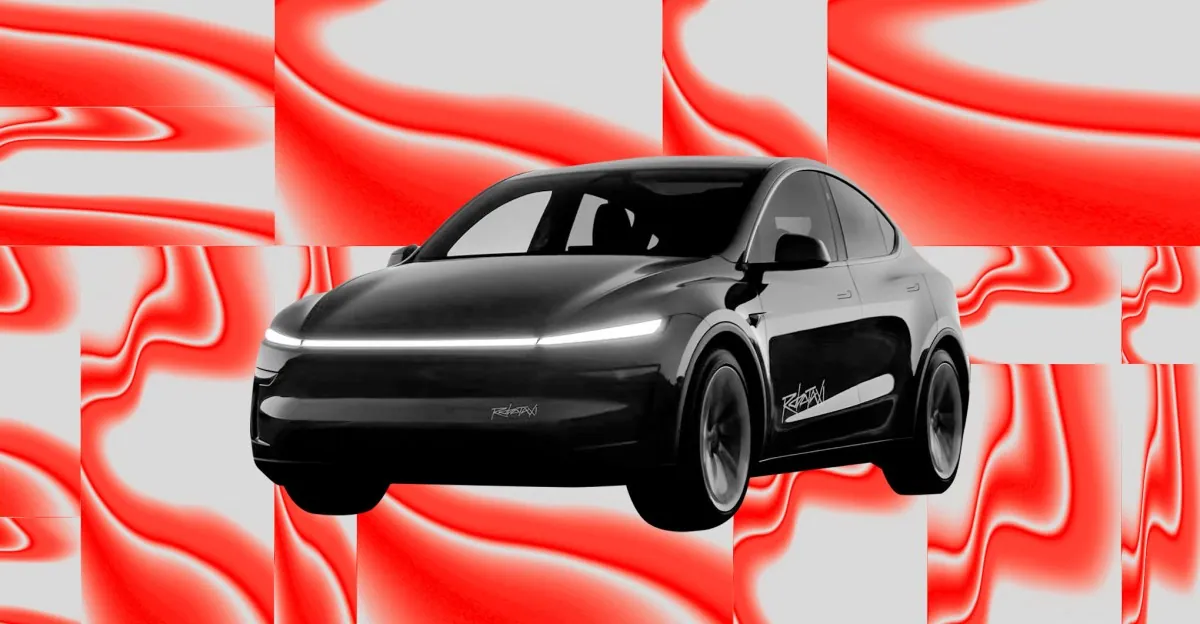
Tesla picked an interesting day to expand its robotaxi map. The company announced on X that it's bringing its robotaxi service to Orlando and Tampa, posting maps of each city's coverage area. It didn't say how many vehicles will be on the road, or when customers will actually be able to summon one.
The announcement landed just hours before Tesla CEO Elon Musk was set to give investors an update on the robotaxi program during the company's second-quarter earnings call. Two new cities on the map is the kind of headline that plays well on a call like that, whatever the underlying reality looks like.
And the underlying reality is messier than the announcement suggests. Musk has a long history of promising far more than Tesla has delivered on this front. Back in 2024, he said robotaxis would be available to half the U.S. population by the end of 2025. Months later, he scaled that down but still pledged "500 or more" vehicles in Austin alone by year's end.
Neither prediction is tracking. According to the Robotaxi Tracker, Tesla had five unsupervised robotaxis running in Dallas and six in Houston back in May, along with 29 in Austin. Today those numbers look very different: 17 in Austin, four in Dallas, and zero in Houston. The fleet isn't steadily growing city by city, it's shrinking and shifting for reasons Tesla hasn't explained.
For comparison, Waymo, the robotaxi arm of Alphabet, is estimated to be running more than 3,500 fully driverless vehicles across more than 10 cities. Tesla's entire operational footprint, even before this week's Florida announcement, is a small fraction of that.
Safety drivers, kill switches, and remote operators
Tesla's rollout playbook mirrors Waymo's in one basic sense: when the company brings robotaxis to a new market, there's typically a human safety driver behind the wheel at first. But Tesla's version of that safeguard has been inconsistent. In some cases the safety driver is moved to the passenger seat instead, equipped with a kill switch to intervene if something goes wrong, rather than sitting behind the wheel with direct control.
The company's so-called "unsupervised" vehicles aren't always as autonomous as the label implies, either. Several reports indicate they're frequently operated remotely. That distinction matters this week specifically: Tesla disclosed that one of its unsupervised robotaxis crashed into a tree stump while a remote operator was driving it.
Riders have also reported long wait times, a byproduct of the limited number of vehicles actually available, along with pickups and drop-offs that land in the wrong spot. None of this is new criticism, but it undercuts the picture Tesla is trying to paint by adding Orlando and Tampa to its coverage map on the same day Musk addresses shareholders.
Why the timing matters
Musk has said he expects the robotaxi business to turn a profit by 2027. Getting there requires convincing investors that the service is scaling in the meantime, which is presumably the point of announcing new cities right before an earnings call. New maps are an easy way to signal momentum without disclosing the harder numbers, like actual fleet size, wait times, or how often a human is quietly steering from a remote location.
Tesla hasn't said when robotaxi rides will actually be available in Orlando or Tampa, or how big those fleets will be. Given the fluctuations already seen in Austin, Dallas, and Houston, there's no guarantee the numbers in Florida will hold steady, or even go up, once the news cycle moves past this week's earnings call.
What happens in those two new cities over the next few months will say more about the state of Tesla's robotaxi ambitions than any map posted on the day of a shareholder call.


