NTSB Data Backs Tesla's Account: Driver Floored the Gas Before Fatal Crash
Federal investigators confirm the DoorDash driver overrode Full Self Driving by pressing the accelerator to 100 percent moments before the deadly Texas crash.
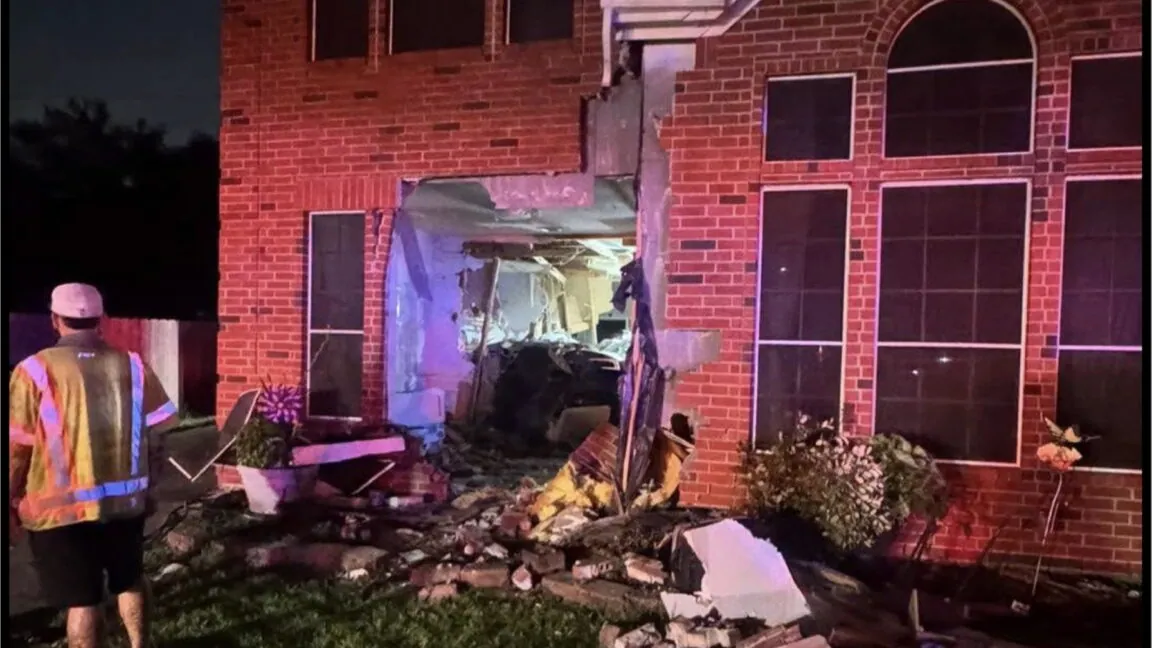
Federal safety investigators have confirmed what Tesla said all along: the driver in a fatal Texas crash, not the car's software, was flooring the accelerator when the vehicle struck and killed a grandmother.
The National Transportation Safety Board released preliminary findings Wednesday showing that Full Self Driving (FSD) was active in the moments leading up to the crash, but that the driver, 44-year-old Michael Butler, manually overrode the system by pressing the accelerator pedal all the way down, to 100 percent, right before impact. The report does not yet establish a cause for the crash. NTSB preliminary reports typically lay out the facts investigators have gathered so far, without assigning blame.
The finding matters because it directly contradicts what Butler told police last month. According to that account, FSD was engaged at the time of the crash, an implication that Tesla's own software steered the car into a fatal outcome. That claim spread quickly, given the ongoing scrutiny of Tesla's driver-assistance technology and the company's push to expand it.
Elon Musk pushed back on X almost immediately, arguing that the physics didn't add up. He wrote that FSD "drives slowly through neighborhood streets," and since the crash happened at high speed, Butler must have overridden the system himself. Tesla followed up with more specific backing for that claim: Ashok Elluswamy, the company's vice president of AI software, said internal vehicle data showed the driver had manually overridden FSD by pressing the accelerator pedal to 100 percent in a residential area.
The NTSB's preliminary report now lines up with that account. Investigators pulled electronic data from the vehicle confirming the override and the full-throttle input, essentially validating what Tesla said within hours of the crash.
There's another wrinkle here that complicates Butler's version of events. Local outlet ABC News reported that Texas police searched Butler's phone with his consent and discovered he was working as a DoorDash driver at the time of the crash. Phone data showed the Tesla had completed several delivery stops without incident earlier that day. Butler reportedly told police he "passed out" behind the wheel and had no memory of exiting the highway or turning onto the residential street where the crash occurred.
What's still unresolved
The NTSB's preliminary findings settle the question of what the vehicle's systems recorded, but not why Butler pressed the accelerator to the floor or what happened to cause him to lose control on a residential street. Whether Butler genuinely lost consciousness, misjudged the road, or something else entirely happened is a matter the fuller investigation will need to address.
That distinction matters a lot for how this case gets framed publicly. Tesla and Musk have faced years of criticism, and litigation, over crashes involving Autopilot and FSD, with critics arguing the names of both systems oversell their capabilities and can lull drivers into complacency. Cases where a Tesla system is blamed for a crash tend to draw heavy attention, often before all the facts are in. This case ran the opposite direction: an initial driver account blaming the software gave way to hard data pointing back at driver input.
For Tesla, the vindication is notable given how quickly and specifically the company rebutted the driver's claim, down to the exact pedal percentage, before regulators had weighed in independently. That the NTSB's own data collection matched Tesla's internal figures adds credibility to the company's account, and it's a rare instance where the automaker's public defense of its driver-assistance systems held up under outside scrutiny.
The NTSB's full investigation, which will take longer to determine an official cause, should shed more light on why the crash happened in the first place. For now, the confirmed fact is a narrow one but a significant one: whatever went wrong on that residential street, it wasn't Full Self Driving pressing the pedal to the floor.


